Updated July 16, 2026

Commercial Umbrella Insurance in Great Falls
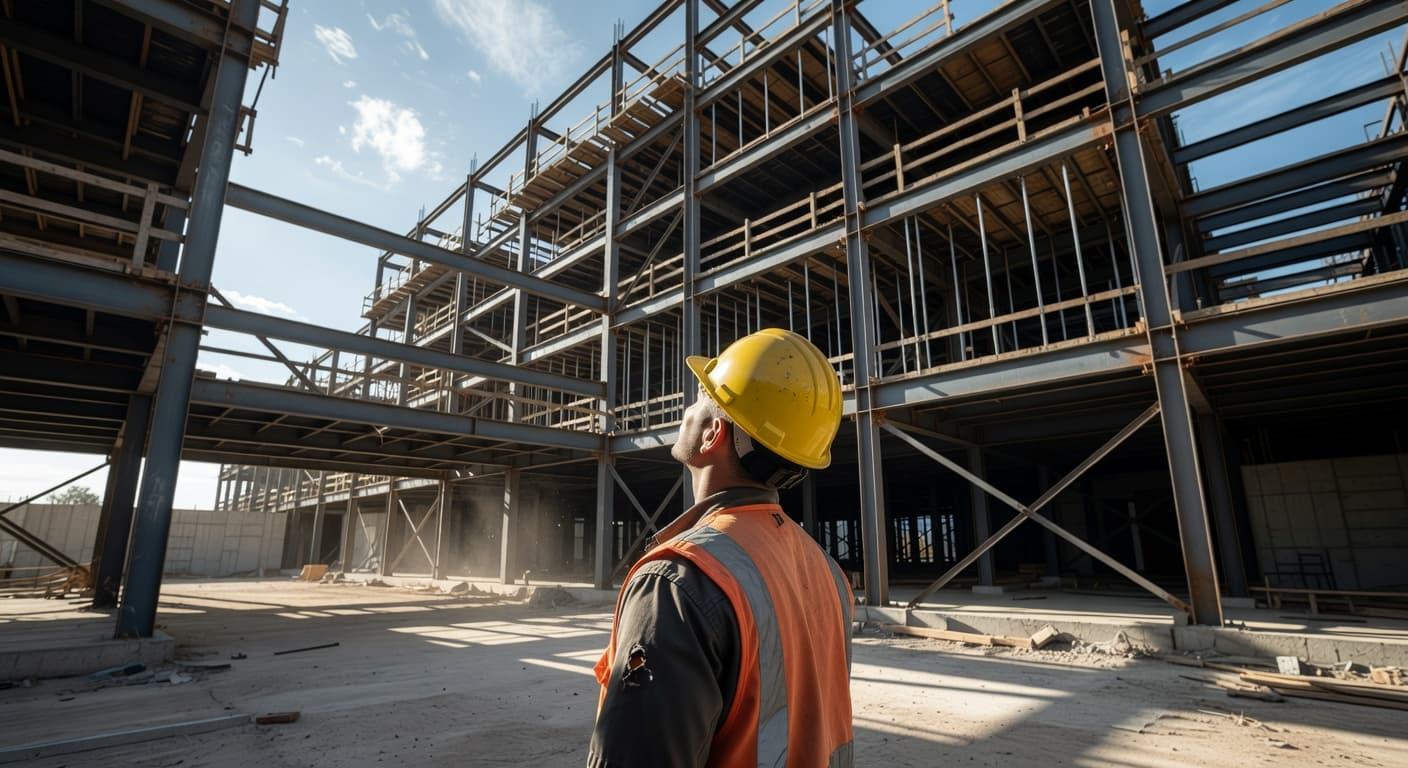
Great Falls runs on a tight commercial network. When one serious injury claim, auto loss, or premises lawsuit hits, it can move fast from an operating problem to a balance-sheet problem. Commercial umbrella insurance here is less about adding a generic extra limit and more about checking whether your underlying liability limits still match the contracts, customer traffic, and vehicle use your business carries now. Cascade County has 2,484 business establishments, which means a lost lease or a dropped vendor after one visible claim can cost you revenue you will not recover. Retail trade accounts for 13.5% of establishments, health care and social assistance 13.1%, and construction 11.7%, and that mix puts many local firms in a position where public foot traffic, service exposures, jobsite activity, and road use all feed into the same liability picture. If your company signs leases, sends employees to client locations, or runs pickups and vans between jobs, it may make sense to review umbrella limits against those real operating patterns before renewal.
About Commercial Umbrella Insurance in Great Falls, MT
In Montana, commercial umbrella insurance is an excess liability layer that activates after your underlying commercial auto, general liability, or employers liability limits are used up. That structure matters because Montana businesses face risks that can create large claims, including winter-storm crashes, wildfire-related property losses, and liability disputes tied to busy retail, lodging, and construction operations. The policy can also provide broader coverage for some claims that are not fully handled by a primary policy, but the exact scope varies by carrier and endorsement. It is not a replacement for underlying coverage, and the amount of underlying commercial liability limits you carry affects how the umbrella responds.
Coverage forms, carrier availability, and underwriting can vary by insurer and business type. The state's commercial auto minimums are the standard split limits, but those minimums are only the starting point. Many businesses use higher limits before adding an umbrella policy. Defense costs coverage may be included depending on policy wording, so it is important to confirm whether legal defense reduces the limit or sits outside it. Worldwide liability coverage can also appear in some policies, but it is endorsement-driven and should be checked carefully before you rely on it for operations outside Montana. Aggregate limits, exclusions, and attachment points vary, so the same umbrella quote may behave differently across carriers even when the price looks similar.
Coverage Included

Excess Liability
Can add an extra layer of liability protection when a claim exhausts the limits of your underlying general liability or auto policy.
Broader Coverage
May respond to some liability claims your underlying policies exclude, depending on how the umbrella policy is written.

Defense Costs
Can help pay attorney fees and court costs for covered claims once your underlying policy limits have been used up.

Worldwide Coverage
May extend liability protection to covered incidents that happen outside the United States, subject to the policy terms.
Aggregate Limits
Typically raises the total amount available for all covered claims during a policy year, rather than just one large lawsuit.
Commercial Umbrella Insurance Cost in Great Falls
Average Cost in Montana
$45 - $140
per month
Businesses in Montana typically see commercial umbrella insurance premiums of $45 - $140 per month, which tends to run 7% below the national range of $40 - $160 per month.
- Umbrella limit requested
- Limits carried on the underlying policies
- Loss history on those underlying policies
- Underlying exposures such as fleet size, payroll, and revenue
- Industry and the severity of losses it tends to produce
Contact CPK Insurance for a personalized quote.
Prices shown are general estimates, not guaranteed rates or quotes. Your actual premium will depend on the insurer, coverage selected, business details, location, claims history, and other underwriting factors. Learn about our pricing methodology.
Commercial umbrella insurance cost in Montana is typically close to the national pattern, with a state-specific average range of $45 to $140 per month. Montana's premium index is 98, which means a business paying $100 a month for comparable coverage in another state might pay around $98 here, so your base liability costs should run slightly below average before the umbrella layer is added. Your number can move up or down based on coverage limits, deductibles, claims history, location, industry or risk profile, and policy endorsements. Many owners request modest limits first, then scale up if they operate more vehicles, more job sites, or more customer-facing locations.
Local risk also affects pricing. Wildfire risk is rated very high, winter storm risk is high, and those conditions can influence how carriers view exposure, especially for businesses with fleets, outdoor operations, or facilities in higher-risk areas. Commercial auto exposure is another factor. The state's fatal crash rate runs above the national average, which means carriers see higher risk on the road, and that risk can push up both your underlying auto premiums and the umbrella layer above it. The state's uninsured driver rate is 7.8 percent, meaning roughly 8 in 100 drivers carry no insurance, so if one of them hits your fleet vehicle, your own policy may have to absorb the loss. Carriers also look at whether your underlying commercial liability limits are strong enough to support the umbrella.
Industries & Insurance Needs in Great Falls
Cascade County business mix changes the umbrella conversation because the leading sectors create different ways a claim can pierce underlying limits. Retail trade makes up 13.5% of county establishments, health care and social assistance 13.1%, and construction 11.7%, so many businesses here are not dealing with a single exposure type. They are balancing customer premises liability, employee driving, third-party injury allegations, and contract-driven insurance requirements at the same time.
That matters when you buy excess liability. A contractor with trucks and subcontractor agreements, a clinic-adjacent service firm with frequent visitors, and a retailer with steady public traffic can all need umbrella coverage for different reasons, even if their revenue looks similar. Use your sector as a starting point, not the answer. Ask for a quote built around how often your staff drive, whether you enter customer property, what certificates you issue, and which contracts require higher limits.
What Makes Great Falls Different
In a market centered on one county, a single serious liability claim can ripple through a lease renewal, a vendor relationship, a client contract, or a bid opportunity. If you operate vehicles across town, host regular customer traffic, or work under agreements that specify higher liability thresholds, a modest underlying limit may leave you short when a counterparty asks for proof of coverage mid-relationship. It can help to look at your general liability, commercial auto, and employer-related exposures as a set rather than separate line items.
Our Recommendation for Great Falls
For many local businesses, the place where a large claim would most likely outrun current limits is commercial auto first, then general liability tied to customer visits, deliveries, or work performed at someone else's property. If you have added vehicles, taken on larger jobs, or signed new lease or vendor agreements in the last year, it may be worth reviewing umbrella limits before your renewal date arrives. Great Falls buyers can also pressure-test limits against household economics and jury perception, not just payroll or receipts. The city's median household income is $63,934, which means an injury settlement here can run high enough to exhaust a $500,000 or $1 million underlying policy and still leave a balance owed. Having your current dec pages, vehicle schedule, major contracts, and any certificate requirements ready can help you get a cleaner read on whether you need a higher umbrella limit, different underlying limits, or both.
Get Commercial Umbrella Insurance in Great Falls
Enter your ZIP code to compare commercial umbrella insurance rates from carriers in Great Falls, MT.
Business insurance starting at $25/mo
FAQ
Frequently Asked Questions
Businesses usually need it when their daily operations put employees, customers, and vehicles in motion at the same time. In a concentrated market like this one, a serious claim can cost you a contract relationship if a landlord or client checks your limits and finds them too low for the work you handle.
Construction work tends to involve regular vehicle use, subcontracted labor, and third-party injury exposure that can test commercial auto and general liability limits in the same claim, so reviewing them together can give you a more accurate picture.
More public traffic can mean more slip, trip, and injury allegations, so it can help to compare your current liability limits against actual store activity and visitor volume rather than relying on a standard baseline.
Lease, vendor, and client insurance requirements often surface before a claim ever happens. Lining up umbrella limits with contract language, certificate requests, and any higher-limit obligations tied to vehicles or off-site work can help you avoid a gap a counterparty notices first.
A serious injury or auto claim in a market with moderate household income can still produce a six-figure settlement that eats through underlying limits and keeps going, so it may be worth checking whether your current coverage leaves enough room above what you already carry.
It can help pay after your underlying commercial auto, general liability, or employers liability limits are exhausted, which matters in Montana because winter-storm crashes, wildfire-related losses, and customer injury claims can grow beyond primary limits.
It is designed for excess liability claims and may also provide broader coverage for certain claims, but the exact response depends on the policy form, your underlying policies, and any endorsements approved for your business.
The biggest factors are your coverage limits, claims history, location, industry or risk profile, and policy endorsements, and Montana pricing is also shaped by market conditions such as a premium index near the national average.
Sources
- 1.U.S. Census Bureau, County Business Patterns, Cascade County(Cascade County has 2,484 business establishments.; Retail trade accounts for 13.5% of establishments, health care and social assistance 13.1%, and construction 11.7% in Cascade County.)
- 2.U.S. Census Bureau, ACS 5-Year Estimates, table B19013(Great Falls median household income is $63,934.)
Updated July 16, 2026