







































Updated July 5, 2026

Garage Keepers Insurance in Great Falls
Concentration is the difference here. Garage keepers insurance in Great Falls often gets shaped less by resort traffic or long interstate corridors and more by a compact local market where repeat customers notice how you store, move, and document every vehicle left in your care. That matters because many shops here rely on steady household and small business demand, not one-off volume, so a disputed scratch, weather-related loss, or key-control problem can damage both a claim file and a referral pipeline.
Great Falls also sits inside Cascade County, where there are 2,484 business establishments, so service relationships tend to overlap across fleets, contractors, medical offices, and retail operators that expect clear handling standards when a vehicle stays on your lot. If your operation services work trucks, employee vehicles, or customer cars for nearby businesses, review where units are parked after hours, who has authority to relocate them, and whether your intake photos match the way your yard actually functions. A quote works better when it reflects your real custody pattern, overnight storage habits, and any split between fenced, indoor, and open-lot parking.
Garage Keepers Insurance Risk Factors in Great Falls
Great Falls's top risk factors include Wildfire risk, Drought conditions, Power shutoffs, and Air quality events.
Montana has a moderate climate risk rating. Top hazards: Wildfire (Very High), Winter Storm (High), Earthquake (Moderate), Flooding (Moderate). The state's expected annual loss from natural hazards is $280M, which influences garage keepers insurance premiums and may affect coverage availability in high-risk areas.
What Garage Keepers Insurance Covers
Garage keepers coverage can help pay for damage to a customer's vehicle while it is in your custody for service, storage, or repair. That protection matters most for businesses that hold vehicles overnight, over weekends, or during parts delays.
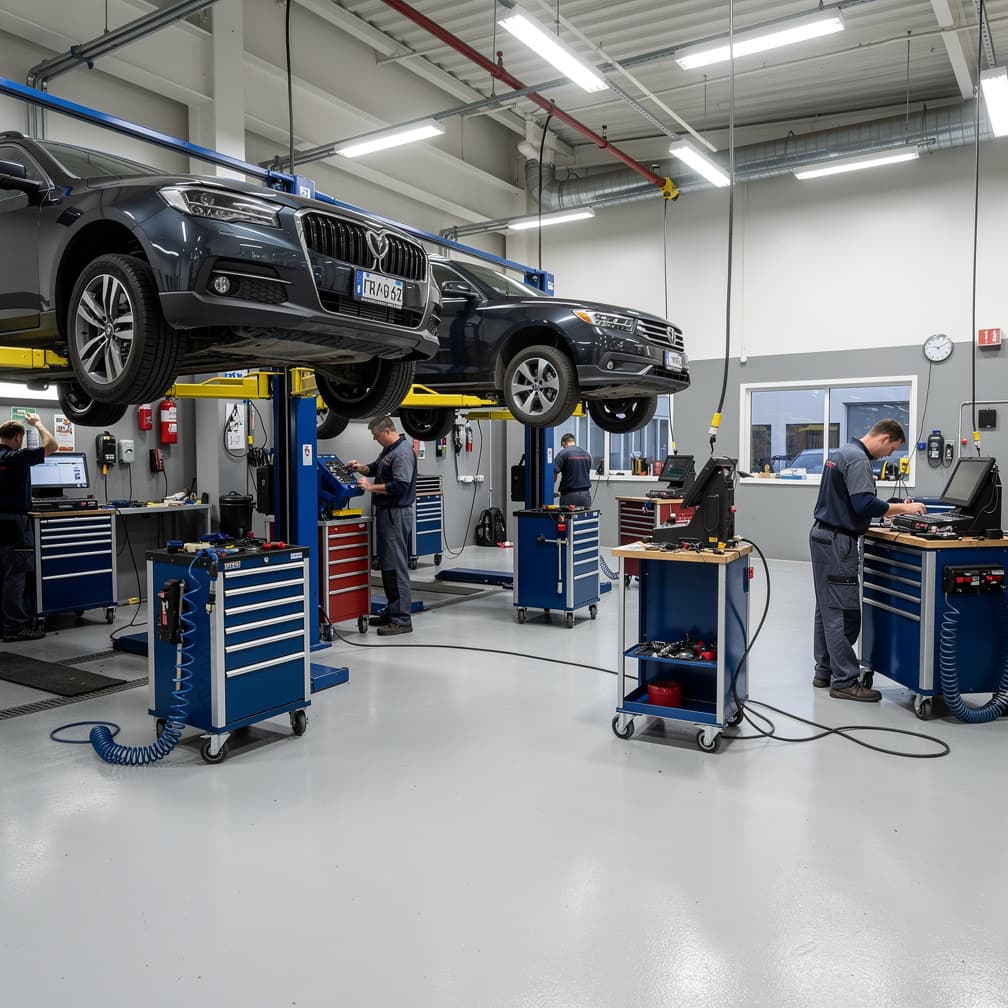
A repair shop that parks cars tightly behind the building has a different exposure than a dealership service lane with constant movement, or a towing operation that unloads damaged vehicles late at night. If employees reposition vehicles several times a day, road test them, or stage them in different areas before pickup, your quote should reflect those handling patterns instead of treating every vehicle as static storage.
Weather and site conditions can also change the loss pattern. If your lot is partly gravel, partly paved, or exposed to blowing debris, ask how physical damage scenarios are evaluated when a customer vehicle is waiting outside. If you store higher value trucks, ranch vehicles, or seasonal recreational units, review whether your limit is built for the total value on your premises during your peak periods.
The state regulator is the Commissioner of Securities and Insurance, so if you are comparing forms, endorsements, or claim handling language, keep your policy documents organized and review state-specific questions before binding.
Coverage Included

Collision Coverage
Covers damage to customers' vehicles from collisions while in your care.

Comprehensive Coverage
Covers theft, vandalism, fire, and weather damage to customers' vehicles.
Specified Perils
Covers only specifically named perils at a lower premium.

Legal Liability
Covers damage you or your employees directly cause to a customer's vehicle.

Direct Primary
Pays regardless of fault, the broadest garage keepers coverage available.
Industries & Insurance Needs in Great Falls
Cascade County business mix is one reason garage keepers exposure can look different here. Retail trade accounts for 13.5% of county establishments, health care and social assistance 13.1%, and construction 11.7%, so a local shop may handle a wider mix of personal vehicles, service vans, pickups, and light commercial units than a page built around one narrow class of customer would suggest. That mix changes what you should ask for in a quote.
If you work on contractor pickups during the week, employee vehicles from medical offices, or cars tied to retail operators, review whether your policy setup matches the kinds of vehicles that stay in your custody, not just the repair work you perform. Ask how the carrier wants vehicles counted when some are customer-owned personal autos and others are business-use units. It is also worth checking whether your file procedures, key storage, and lot layout support cleaner claim handling when several vehicle types are present at the same time.
What Makes Great Falls Different
Concentration is what changes the calculus here. In a market like Great Falls, one loss does not just affect a single customer file. It can travel through a tight network of households, employers, and local operators who know where vehicles are serviced and stored. That makes garage keepers buying less about broad statewide assumptions and more about operational discipline you can explain to an underwriter.
The local income picture supports that point. Great Falls median household income is $63,934, so many customers are making practical repair and maintenance decisions carefully, and they may scrutinize any damage dispute involving a vehicle left with your business. That does not mean you should buy by price alone. It means you should review deductibles, documentation practices, and how claims would be handled if a customer questions pre-existing damage versus damage that happened while the vehicle was in your care. Here, cleaner intake records and a policy structure that matches your lot use can matter as much as the limit itself.
Our Recommendation for Great Falls
Start with your custody map, not your declarations page. List where customer vehicles sit during business hours, where they move after closing, who can drive or reposition them, and which units stay overnight or through a weekend. In a compact market, those details affect both underwriting and how credible your account sounds if a claim happens.
Next, separate your vehicle mix. If your shop handles personal autos, contractor pickups, and occasional business-use vehicles, ask for the quote to reflect that mix instead of assuming every unit presents the same exposure. You should also review whether indoor storage, fenced areas, and open parking are described accurately, because vague lot descriptions can create friction later.
Finally, tighten your intake routine before you bind coverage. Time-stamped photos, key logs, check-in notes on existing damage, and a written process for after-hours storage give you better evidence if a customer disputes condition. If you want a quote, send the carrier a realistic count of vehicles in custody on a normal day and on your busiest days.
Get Garage Keepers Insurance in Great Falls
Enter your ZIP code to compare garage keepers insurance rates from carriers in Great Falls, MT.
Business insurance starting at $25/mo
FAQ
Frequently Asked Questions
Great Falls shops often operate in a tighter referral market, so one disputed vehicle damage claim can affect more than a single job. Your quote should match how vehicles are parked, documented, and moved after hours, especially if overnight storage is routine.
Great Falls shops should disclose that mix clearly. Cascade County's business base includes retail, health care, and construction activity, so you may see pickups, vans, and employee vehicles alongside personal cars, which can change how your exposure is reviewed.
Cascade County has 2,484 business establishments, so a Great Falls garage may serve overlapping local fleets, vendors, and employee vehicles. That makes clear intake records, key control, and accurate lot descriptions more important when you request terms.
Great Falls median household income is $63,934, so customers may look closely at repair costs and any damage dispute involving a stored vehicle. A garage should review deductibles and claim documentation, not just limits, before renewing.
Yes. Even occasional overnight storage changes your exposure. If customer vehicles remain on site after closing, your quote should match how vehicles are actually handled, including outdoor parking and late drop-offs.
Use the same vehicle count, storage layout, and intake procedures each time you request terms. That makes it easier to judge how each policy responds to late arrivals, damaged vehicles, and longer storage periods.
The state regulates insurance through the Commissioner of Securities and Insurance. If you are reviewing policy language, endorsements, or claim questions, keep your documents organized and confirm any state-specific issues before you bind coverage.
Businesses with outdoor storage usually need a closer review because customer vehicles may sit exposed between drop-off and pickup. Your agent should understand how many units stay outside, for how long, and how your lot is secured after hours.
Sources
- 1.U.S. Census Bureau, County Business Patterns, Cascade County(Cascade County has 2,484 business establishments, so service relationships tend to overlap across fleets, contractors, medical offices, and retail operators that expect clear handling standards when a vehicle stays on your lot.; Retail trade accounts for 13.5% of county establishments, health care and social assistance 13.1%, and construction 11.7%, so a local shop may handle a wider mix of personal vehicles, service vans, pickups, and light commercial units than a page built around one narrow class of customer would suggest.)
- 2.U.S. Census Bureau, ACS 5-Year Estimates, table B19013(Great Falls median household income is $63,934, so many customers are making practical repair and maintenance decisions carefully, and they may scrutinize any damage dispute involving a vehicle left with your business.)
Updated July 5, 2026





