Updated July 16, 2026

Car Insurance in Bellevue
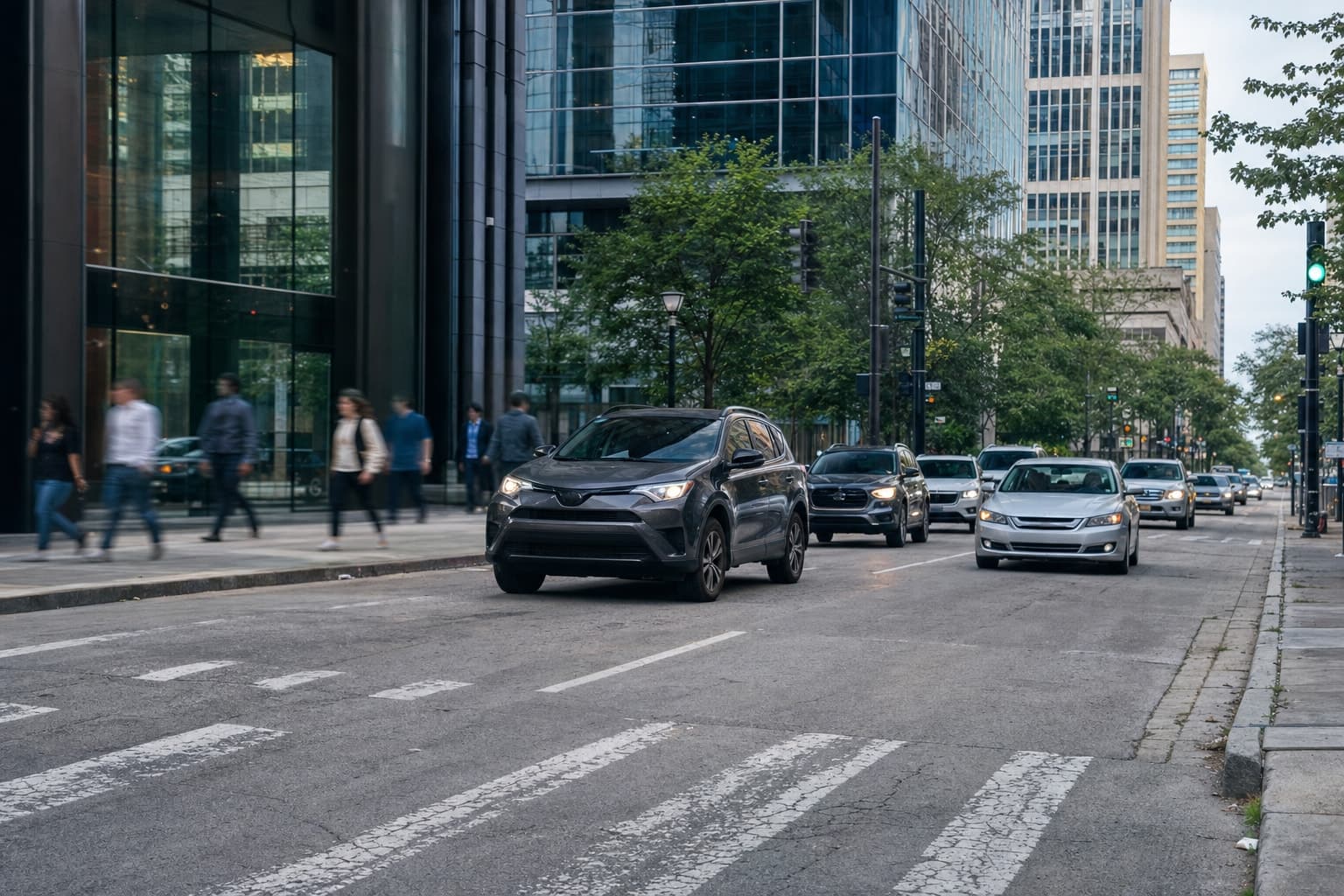
Bellevue sits in a part of the metro where construction, health care, and retail shape how people drive. Your week may include job sites, clinic shifts, store runs, school pickup, and trips toward Omaha, so your policy should match that stop and start pattern rather than a simple commute. Sarpy County has 4,038 business establishments, and that volume puts more cars in tight lots where low speed bumps and scrapes happen almost daily. That matters if you share a household vehicle, keep tools or work gear in the car, or alternate between personal and work related driving during the same day. Many households here have the income to carry newer vehicles, and newer cars usually make it worth revisiting your out of pocket costs and lender rules before renewal. Start by checking how your policy classifies vehicle use, then compare your liability limits against what you actually drive now and look for any gap between your current habits and what your last application still shows.
Nebraska has a high climate risk rating. Top hazards: Tornado (Very High), Hailstorm (Very High), Severe Storm (High), Flooding (Moderate). The state's expected annual loss from natural hazards is $1.2B, which influences car insurance premiums and may affect coverage availability in high-risk areas.
What Car Insurance Covers
Car insurance in Nebraska usually starts with liability, which may help cover injuries and other covered losses you cause to others. The state's commercial auto minimums sit at split limits for businesses, while personal drivers should verify their own policy needs with the Nebraska Department of Insurance. Many drivers add collision coverage for crashes on icy roads, on I-80, or in city traffic around Lincoln and Omaha. Comprehensive coverage may help with non-collision losses tied to weather and theft.
That matters here because Nebraska has seen repeated major storm declarations in recent years, and hail damage in particular can total a vehicle parked outside. Uninsured motorist coverage is especially relevant given that roughly one in fifteen Nebraska drivers carries no coverage, so a policy may be more useful for local drivers than the national average alone would suggest. Medical payments coverage may help with covered medical expenses after an auto accident, which is important when crash severity is higher on rural routes or during winter weather. Rental reimbursement may help keep you mobile while a covered claim is being repaired, which can matter if your vehicle is out of service after hail damage or a collision.
Endorsements and optional protections may vary by carrier, so the right policy depends on your vehicle use, commute, and local driving conditions rather than a one-size-fits-all approach.
Coverage Included

Liability
Can help pay for injuries and property damage you cause to others in an accident, coverage most states require drivers to carry.
Collision
Can help pay to repair or replace your car after a crash with another vehicle or object, regardless of fault.

Comprehensive
Typically covers damage to your car from events other than collisions, such as theft, hail, fire, flooding, or hitting an animal.

Uninsured Motorist
May pay for your injuries and, in some states, car damage when an at-fault driver has no insurance or too little.

Medical Payments
Can help cover medical bills for you and your passengers after an accident, no matter who was at fault.
Rental Reimbursement
May pay for a rental car while your vehicle is in the shop for repairs after a covered claim.
Car Insurance Cost in Bellevue
Average Cost in Nebraska
$75 - $200
per month
In Nebraska, car insurance premiums typically run $75 - $200 per month, which tends to run 19% below the national range of $110 - $230 per month.
- Driving record and age
- Vehicle make, model, and year
- Location and commute distance
- Credit-based insurance score
- Coverage limits and deductibles
Contact CPK Insurance for a personalized quote.
Prices shown are general estimates, not guaranteed rates or quotes. Your actual premium will depend on the insurer, coverage selected, personal details, location, claims history, and other underwriting factors. Learn about our pricing methodology.
The average premium range for car insurance in Nebraska runs from $75 to $200 per month, which is slightly below the national average because the state's premium index sits at 88 out of 100. On this scale, 100 marks the most expensive states, so a score of 88 puts Nebraska about 12% below national levels. Your cost will vary based on your driving record, vehicle, location, and coverage choices.
Drivers in Lincoln, Omaha, and other higher-traffic areas may see different pricing than rural drivers. Nebraska's severe weather profile can also affect rates when carriers price for storm exposure. The state's 38,000 crashes in 2023 work out to over 100 per day, which is one reason a single at-fault accident can exceed what most drivers keep in savings.
Uninsured motorist coverage may also affect price because roughly one in fifteen drivers carries no coverage. Nebraska has many active insurance companies competing statewide, which gives shoppers room to weigh options rather than accepting the first offer.
What Affects Car Insurance Rates in Bellevue
Bellevue households report a median income of $87,343, and that changes the cost conversation because many drivers here are deciding how much risk to keep, not just how little premium to pay. If your household depends on a newer financed vehicle, a higher deductible may lower the bill but still leave you absorbing a repair or total loss expense at the worst time. That is worth pressure testing before you renew. The local question is often whether your current limits still fit your assets, savings habits, and replacement budget. If you have moved up to a newer car, added a teen driver, or now rely on one vehicle for both workday errands and family use, ask for side by side quotes with more than one deductible and liability limit. That gives you a cleaner view of what you save each month versus what you would actually pay out of pocket after a claim.
What Makes Bellevue Different
Bellevue drivers often blend personal and work related trips into the same week. In a community tied closely to construction, health care, and retail activity, many drivers are not simply commuting out and back once a day. They are making short trips between stores, schools, appointments, job sites, and service calls, sometimes in the same vehicle they use for family errands. That pattern can create coverage gaps if your insurer has outdated information about annual mileage, garaging, regular drivers, or business related use.
The county business mix points in that direction. Construction accounts for 16.8% of establishments, and that share of the workforce tends to drive with tools and materials in the trunk on a regular basis. Health care and social assistance sits at 10.8%, and retail trade at 10.7%, so a typical day here includes clinic shifts and store visits that add short, frequent trips to the road. Before you buy, verify who is listed on the policy and confirm your vehicle use and lender details so you can flag any equipment or deliveries that push you beyond ordinary personal use.
Our Recommendation for Bellevue
Start with the declarations page and look for anything outdated. If your address, garaging, commute pattern, or household drivers changed in the last year, your quote should reflect those updates rather than a light edit to last year's form. If you drive a newer vehicle, compare at least two deductible options and ask how rental reimbursement changes the premium, because downtime matters more when one car handles both workday and family obligations.
If you occasionally carry tools, samples, or inventory, describe that clearly and ask where personal auto use ends and a commercial policy should be considered. If a teen or young adult in your household uses the car, review liability limits before focusing on small premium differences. The Nebraska Department of Insurance offers complaint and licensing resources, but your decision comes down to how well the policy fits your actual driving habits. Request a quote using your current mileage, drivers, and vehicle use, then compare the result against your existing declarations page line by line.
Get Car Insurance in Bellevue
Enter your ZIP code to compare car insurance rates from carriers in Bellevue, NE.
Car insurance starting at $59/mo
FAQ
Frequently Asked Questions
Bellevue drivers often mix errands, school runs, and work related stops in the same day. In a county with 4,038 business establishments, that pattern can affect how an insurer views vehicle use, mileage, and whether your current policy details are still accurate.
Bellevue households often have room to choose between premium savings and out of pocket risk. With median household income at $87,343, many families can absorb a higher deductible, but you need to know whether you could actually pay that amount after a repair or total loss.
Sarpy County business activity can matter if your car supports job site visits, client stops, or deliveries. Construction alone accounts for 16.8% of establishments, and that concentration means a personal policy may fall short if your daily route includes active work sites.
You should update a policy after adding a driver, changing vehicles, moving, or shifting commute patterns. Those details can change rating and coverage fit, especially if one vehicle now handles both family transportation and regular workday use.
For local commuters, liability coverage may help cover injuries or losses you cause to others, while collision coverage may help with accident-related repairs to your own car. In busier cities like Lincoln and Omaha, traffic volume and stop-and-go driving can make those coverages more relevant than a basic minimum-only approach.
Nebraska is regulated by the Nebraska Department of Insurance, and commercial auto minimums are listed at split limits for bodily injury and property damage. Personal drivers should confirm the current minimum liability limits with the state and weigh options that fit their situation.
Comprehensive coverage is often important to review because the state's climate risk profile shows very high tornado and hail exposure. If your vehicle is parked outside or you live in a storm-prone area, that coverage may be a useful part of your policy design.
Uninsured motorist coverage may help when you are involved in an auto accident with a driver who has no coverage. That matters locally because roughly one in fifteen Nebraska drivers carries no insurance, which is a real market factor when weighing policies.
Sources
- 1.U.S. Census Bureau, County Business Patterns, Sarpy County(Sarpy County has 4,038 business establishments, so parking lots, supplier stops, and short daytime trips can add more low speed collision exposure than a driver expects.; The county business mix points in that direction: construction accounts for 16.8% of establishments, health care and social assistance 10.8%, and retail trade 10.7%.)
- 2.U.S. Census Bureau, ACS 5-Year Estimates, table B19013(Bellevue households report a median income of $87,343, and that changes the cost conversation because many drivers here are deciding how much risk to keep, not just how little premium to pay.)
- 3.Nebraska Department of Insurance(Nebraska Department of Insurance resources can help if you need complaint or licensing information, but the buying decision still comes down to matching the policy to your real driving pattern.)
Updated July 16, 2026