
Updated July 5, 2026

Homeowners Insurance in Bellevue
Rebuild fit is the sharpest difference for a Bellevue buyer: many homes sit in a value band where market price and replacement cost can drift apart, so a policy that looks adequate on paper can still leave you short after a major loss. That is why homeowners insurance in Bellevue deserves a closer look at dwelling limits, ordinance or law language, and how your insurer estimates materials and labor, not just the home’s sale price. The local median home value is $230,800, which gives you a useful benchmark, but not a safe shortcut for setting Coverage A. Many households here are also balancing protection decisions against a real monthly budget and may be tempted to trim endorsements first. A better approach is to review the rebuild estimate, deductible structure, and personal property assumptions before renewal. If you have finished basement space, detached structures, or recent upgrades, ask for those details to be reflected explicitly in the quote so you can compare forms on substance, not just price.
Nebraska has a high climate risk rating. Top hazards: Tornado (Very High), Hailstorm (Very High), Severe Storm (High), Flooding (Moderate). The state's expected annual loss from natural hazards is $1.2B, which influences homeowners insurance premiums and may affect coverage availability in high-risk areas.
What Homeowners Insurance Covers
A Nebraska homeowners policy is built around dwelling coverage, personal property coverage, liability coverage, additional living expenses, other structures, and medical payments. Standard policies generally respond to fire, windstorms, hail, theft, and vandalism. Flood damage is excluded and must be handled through a separate flood policy, often through NFIP or a private flood insurer. That exclusion matters in a state with moderate flooding risk and a history of river flooding declarations. Because the Nebraska Department of Insurance regulates the market, policy forms and endorsements should be reviewed carefully rather than assumed to match a national template.
Dwelling coverage should be set around rebuild cost, not market value. The state's average dwelling coverage is $164,000, while the median home value is $205,000, so those numbers are not interchangeable. Personal property coverage should also be checked against your belongings, especially if hail or storm damage forces repairs and temporary relocation. Additional living expenses can become relevant after a major wind or tornado claim if your home is uninhabitable during repairs. Other structures coverage may matter for detached garages, sheds, and fences that are often exposed to the same storm systems as the main home.
Coverage Included

Dwelling
Repairs or rebuilds your home itself, the walls, roof, floors, built-in appliances, and attached structures like a garage, after a covered loss. Set this limit to the full cost of rebuilding, not market value.
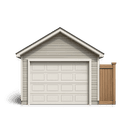
Other Structures
Detached structures on your property, such as a fence, shed, detached garage, or gazebo. Usually set at about 10 percent of your dwelling limit [2].

Personal Property
Your belongings, furniture, clothing, electronics, and appliances, generally written at 50 to 70 percent of your dwelling limit [2]. High-value items like jewelry and art carry special limits.

Additional Living Expenses
Also called loss of use. Pays your added living costs, hotel stays, meals, and a temporary rental, while a covered loss makes your home uninhabitable. Usually set at about 20 percent of your dwelling limit.

Liability
Covers you if someone is injured on your property, or you damage someone else's property, and you are found responsible. The standard $100,000 limit [2] is often raised to $300,000 or $500,000.

Medical Payments
Pays small medical bills, commonly $1,000 to $5,000, if a guest is hurt at your home regardless of fault, without a formal liability claim.
Homeowners Insurance Cost in Bellevue
Average Cost in Nebraska
$130 - $320
per month
In Nebraska, homeowners insurance premiums typically run $130 - $320 per month, which tends to run 25% above the national range of $110 - $250 per month.
- Home replacement cost, age, and construction type
- Roof age, material, and condition
- ZIP code and local weather risk (wind, hail, wildfire, hurricane)
- Coverage limits and endorsements
- All-peril and percentage wind/hail deductibles
- Claims history and insurance score where allowed
Typical range for many standard homeowners profiles; lower-risk homes fall below it and coastal, wildfire, or older-roof homes can run well above. Final pricing depends on property details, location, underwriting, and selected coverage.
Prices shown are general estimates, not guaranteed rates or quotes. Your actual premium will depend on the insurer, coverage selected, personal details, location, claims history, and other underwriting factors. Learn about our pricing methodology.
Weather, rebuild economics, and where the home sits relative to local risk drive homeowners insurance pricing in Nebraska. The broader state range runs about $130 to $320 per month, so a quote can land well below or above the average depending on the property. Because tornado and hailstorm risk both carry severe ratings, underwriting attention tends to focus on roof condition, replacement cost, and deductible structure.
Flooding is rated moderate, but because standard policies exclude it, buyers in vulnerable areas should plan for a separate flood policy that adds to total household insurance spend. Local construction costs and labor rates have a high impact on dwelling coverage, so a home in Lincoln or Omaha may price differently than a similar home in a smaller market. Nebraska also has a large field of insurers competing for business, which can create real quote variation. A higher dwelling limit, lower deductible, storm-prone roof, or added endorsement can move the price more than the state average suggests.
What Affects Homeowners Insurance Rates in Bellevue
Bellevue’s cost conversation is less about a single city-only hazard and more about matching limits to the kind of household balance sheet common here. The local median household income is $87,343, so premium decisions often compete with mortgage, auto, and day-to-day expenses. That can push owners toward higher deductibles or leaner optional coverages. The smarter move is to test whether those savings come from deductible choice alone or from lower dwelling, contents, or loss-of-use protection that may matter after a serious claim. When you compare quotes, ask each insurer to use the same deductible, the same dwelling limit basis, and the same endorsements. That lets you see whether one option is truly more efficient or simply stripped down in ways that are easy to miss until a claim happens.
What Makes Bellevue Different
Rebuild alignment is what changes the calculus here. It is easy to anchor on purchase price, tax assessment, or an online estimate and assume your homeowners policy should track that figure closely. That shortcut can create problems because claim settlement depends on policy terms and the carrier’s reconstruction assumptions, not on what a buyer paid for the house. For a Bellevue owner, that means the most important comparison point is often the replacement cost worksheet behind the quote. If your home has updated kitchens or baths, a finished lower level, fencing, sheds, or other detached structures, those details should be captured before you bind coverage. This is also a practical budgeting market, so it helps to separate the parts of the quote you can tune, such as deductible level, from the parts you should be careful not to undercut, such as dwelling and ordinance-related protection.
Our Recommendation for Bellevue
Start with the reconstruction estimate, not the listing history. Ask for the dwelling calculation used in each quote and check whether recent renovations, basement finish, roof updates, and detached structures are included. Then compare deductible options side by side, because changing the deductible is often a cleaner way to manage premium than cutting core property limits. Review personal property assumptions as well, especially if your household has accumulated electronics, tools, or higher-value items that exceed standard sublimits. If you work from home or store business property at the house, ask how that is treated before a loss forces the question. Finally, read the loss-of-use and water-related language carefully so you know what support may be available if the home is temporarily unlivable. A useful quote review here is less about finding the lowest number and more about confirming that the policy matches how your home is actually built and used.
Get Homeowners Insurance in Bellevue
Enter your ZIP code to compare homeowners insurance rates from carriers in Bellevue, NE.
Home insurance starting at $50/mo
FAQ
Frequently Asked Questions
Bellevue buyers usually want to start with rebuild cost, not market value. Your dwelling limit should follow the insurer’s reconstruction estimate and your home’s actual features, upgrades, and detached structures.
Bellevue quote comparisons work better when you hold the deductible, dwelling basis, and endorsements constant. That shows whether one policy is genuinely stronger or whether a lower premium comes from reduced limits, narrower water language, or weaker loss-of-use terms.
Bellevue quotes can separate quickly when carriers model replacement cost differently or assume different deductibles and endorsements. Ask each insurer for the dwelling estimate details so you can see whether the difference is pricing, coverage design, or both.
Bellevue owners often need coverage that fits a real monthly budget. A practical move is to test higher deductibles first, before trimming dwelling, contents, or additional living expense protection.
Bellevue homes with remodeled kitchens, finished basement areas, newer roofs, or added detached structures should have those details reflected in the quote. If they are missing, the policy may be built on an incomplete reconstruction estimate.
In Nebraska, homeowners insurance may cover dwelling damage, personal property, liability, additional living expenses, other structures, and medical payments. Covered perils may include fire, windstorms, hail, theft, and vandalism. Because tornado and hail risk are severe here, the dwelling section deserves extra attention.
Monthly costs typically run from about $130 to $320, but your quote depends on the home's location, roof age, dwelling limit, deductible, and claims history. A storm-prone roof or a low deductible can push the price above that range quickly.
Mortgage lenders in Nebraska usually require proof of homeowners insurance before and during the loan term, even though the state itself does not legally require every homeowner to carry it. Lenders typically want enough dwelling coverage to protect the home they are financing.
Sources
- 1.U.S. Census Bureau, ACS 5-Year Estimates, table B25077(The local median home value is $230,800, which gives you a useful benchmark, but not a safe shortcut for setting Coverage A.)
- 2.U.S. Census Bureau, ACS 5-Year Estimates, table B19013(The local median household income is $87,343, so premium decisions often compete with mortgage, auto, and day-to-day expenses.)
Updated July 5, 2026