Updated July 16, 2026

Key Takeaways
- Compare quotes using the same peak inventory value, deductible, and valuation assumptions so you can see real coverage differences.
- Ask in writing how the policy handles hail, flood, theft, vandalism, and test drives before you bind coverage.
- Prepare a current inventory schedule, offsite storage list, and security summary before requesting dealer open lot insurance quotes.
- Review whether flood needs separate placement instead of assuming another policy form includes it automatically.
- Requote after security upgrades, lot layout changes, or improved claims history so pricing reflects your current risk.
Dealer Open Lot Insurance in Nebraska
Your Nebraska inventory faces real exposure every day it sits on the lot. Current unit counts, total lot values, where vehicles sleep overnight, which units move to overflow storage, and who has custody during transport or test drives all shape what your policy needs to address. If your schedule is outdated, offsite storage is missing, or high-value units are mixed into one blanket figure, the quote can miss the exposures that matter most on your lot.
Nebraska weather also makes documentation more important. A dealership with open frontage, rural overflow space, or seasonal concentration in trucks and recreational units should be ready to explain where inventory sits and how quickly it can be relocated. Before you ask for terms, pull a current inventory report, note every storage address, confirm who drives units off-premises, and flag any concentration that would make one weather event or theft incident hit multiple vehicles at once.
What Dealer Open Lot Insurance Covers
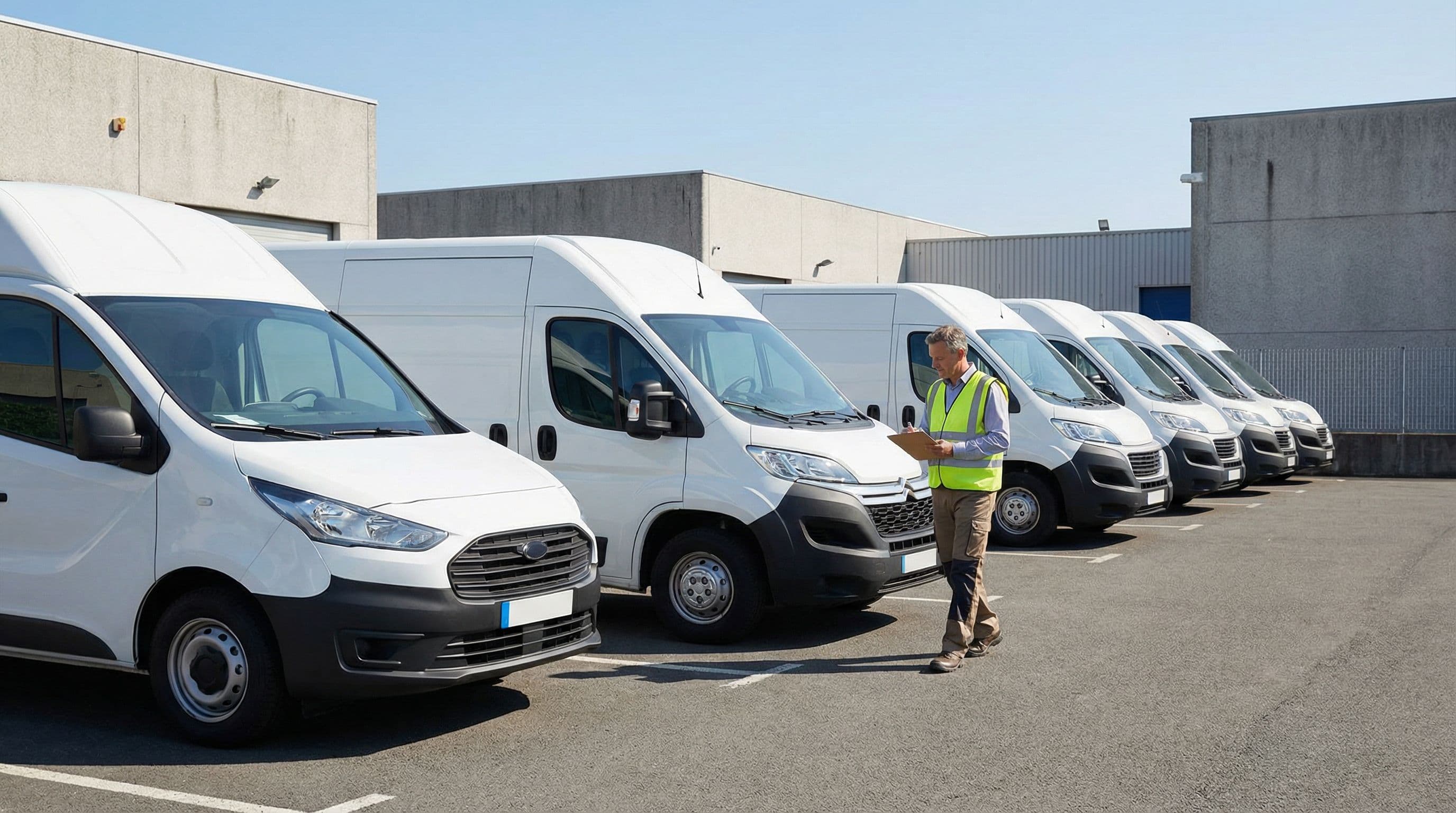
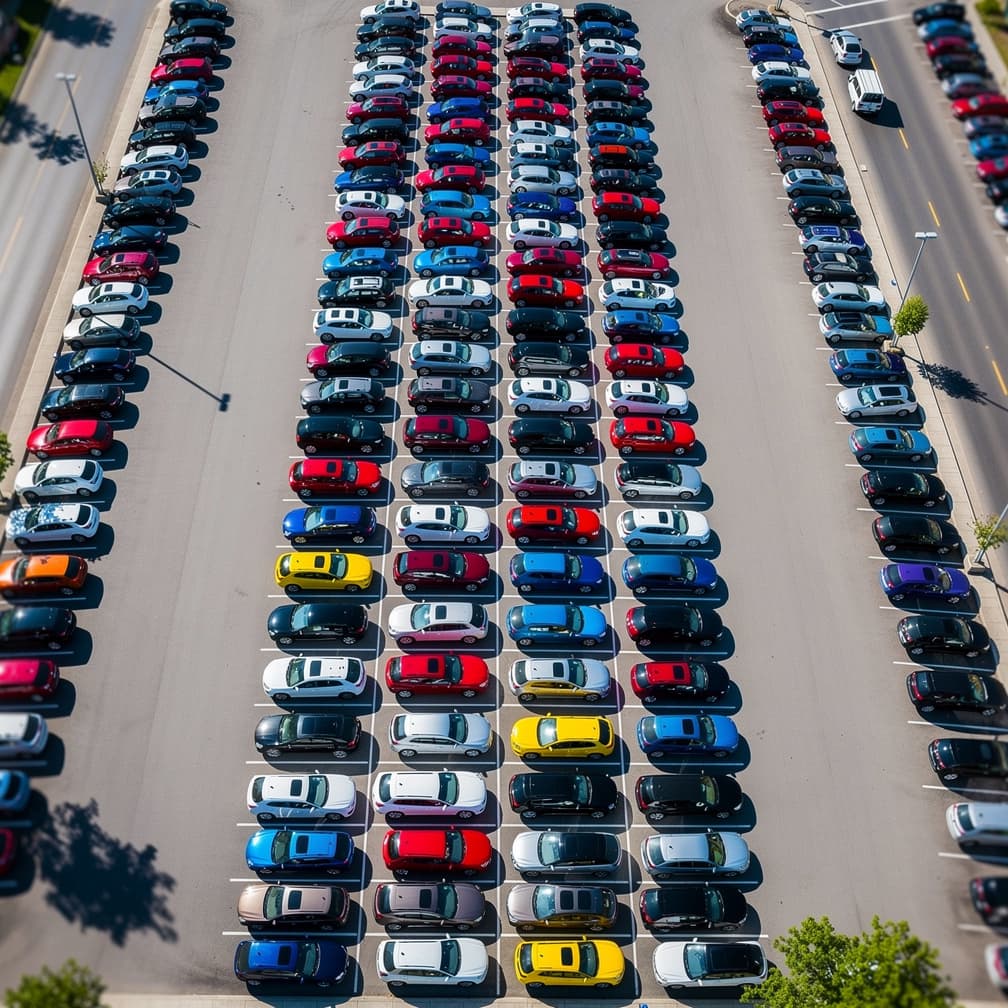
Dealer open lot insurance may help cover losses from hail, wind, theft, fire, vandalism, and collision damage while vehicles sit on your lot. Many dealers keep part of their stock on the main frontage lot, part behind the building, and part at overflow space that may be fenced differently or watched less consistently after hours. If a quote only reflects the front line inventory, you can end up debating whether the rest of the stock was scheduled correctly after a loss.
You should also review how the policy treats vehicles during ordinary dealership handling that is common in this state. That includes units moved between rooftops and overflow storage, vehicles parked near service areas while being prepped for sale, and inventory taken off-premises for fueling or photography. Those operational details matter because a claim often turns on where the vehicle was, why it was there, and whether that movement fit the policy terms.
Nebraska weather patterns make concentration risk worth special attention. If your lot layout leaves rows exposed to the same wind path or hail impact, ask whether your limits and deductibles still make sense for a multi-unit loss instead of a single damaged vehicle. The same goes for seasonal inventory swings. If you carry more trucks, trailers, or recreational units at certain times of year, update values before the concentration changes, not after.
One state-specific checkpoint is regulatory clarity. The Nebraska Department of Insurance oversees insurance regulation in the state, which matters because it governs how policies are filed, how claims are handled, and what recourse you have if a dispute arises. If you are comparing forms or endorsements, check that the policy language matches Nebraska requirements and that your listed locations and handling practices are reflected accurately before you bind.

Weather Damage
Covers hail, wind, flood, and storm damage to lot inventory.
Theft Protection
Covers vehicles stolen from your lot.
Fire Damage
Covers fire and explosion damage to inventory vehicles.

Vandalism
Covers intentional damage to vehicles on your lot.
Test Drive Coverage
Covers vehicles during customer and employee test drives.
Transit Coverage
Covers vehicles being moved between lot locations.
Dealer Open Lot Insurance Requirements in Nebraska
- Nebraska dealers using rural or secondary overflow storage should make sure every address is disclosed, because unscheduled locations can create claim friction after a weather or theft loss.
- If your lot groups higher-value trucks, specialty vehicles, or recreational units in one section, review whether a single event could damage more inventory than your current limit assumes.
- Dealerships that move inventory between town and outlying storage during the week should confirm those transfers fit ordinary handling under the policy terms being quoted.
- Open frontage lots with broad wind exposure may need a closer deductible review than tightly controlled sites, especially when one storm could affect multiple rows at once.
How Much Does Dealer Open Lot Insurance Cost in Nebraska?
A Nebraska quote usually moves on exposure quality more than on a simple dealership category. Underwriters want to know the total value of inventory on hand, but they also look at how that value is distributed across locations and whether units are packed tightly or spread across separate storage areas. A lot with disciplined reporting and clear storage practices is easier to price than one where values change weekly and offsite units are tracked informally.
Your inventory mix matters too. If you carry older used vehicles with lower individual values, the pricing conversation is different from a lot that concentrates late-model trucks or higher-value recreational inventory. A single hailstorm hitting a row of late-model trucks can drive a significant loss in minutes, while the same storm sweeping across older used inventory may produce a fraction of that damage.
Nebraska conditions can also change the deductible discussion. A lower deductible may look attractive until you compare it against the premium effect on a lot with broad weather exposure. A higher deductible can make sense if your balance sheet can absorb smaller losses and you want to reserve insurance for more severe events. The right structure depends on your cash flow, lender expectations, and how much inventory value is exposed at one address.
To get a quote you can actually use, submit a current inventory valuation, every storage location, your security controls, and your transport practices. If you are comparing options, ask for the same limits and deductible structure across each quote so you are evaluating real differences instead of mismatched assumptions. Pricing for this coverage varies based on total insured value, location risk, and inventory type.
Request a Quote Comparison
Enter your ZIP code to compare dealer open lot insurance rates from top carriers.
Business insurance starting at $25/mo
Who Needs Dealer Open Lot Insurance?
In Nebraska, this coverage deserves a close review anywhere vehicle inventory sits outdoors, rotates through multiple storage points, or is handled by several employees before sale. That often includes independent used car dealers in smaller markets, franchise operations with larger paved lots, and powersports and trailer sellers with mixed indoor and outdoor storage. It also applies to dealers that use nearby overflow property when the front lot fills up.
The state-specific issue is not the dealership label. It is the way inventory is spread out. A dealer with one compact urban lot has a different exposure than an operation that keeps trucks on the sales line and overflow units on a separate parcel outside town. If you use more than one address, or if inventory moves between locations during the week, your quote should reflect that movement clearly.
This also matters for dealers whose sales process puts vehicles into temporary transit more often. If staff regularly take units for detailing, photography, body work, or auction activity, you need to review how those ordinary steps fit the policy terms. The same goes for test drives and demonstrations. A dealership that encourages longer route drives on rural roads may want a tighter review than one using short urban loops.
You should pay particular attention if your inventory values swing with the season. Nebraska dealers that add trucks, utility trailers, or recreational stock at certain times of year can outgrow an older limit without noticing. If one weather event could damage a larger share of your lot than it did last season, it is time to rework the schedule and limits before renewal.
Dealer Open Lot Insurance by City in Nebraska
Dealer Open Lot Insurance rates and coverage options can vary across Nebraska. Select your city below for localized information:
How to Buy Dealer Open Lot Insurance
Build the file an underwriter would ask for if a claim happened tomorrow. Pull a dated inventory report with current values, separate owned inventory from customer vehicles or repair stock, and list every place where sale units are stored. That one step prevents a common quoting problem, where the policy is priced for the main lot while actual exposure sits at several addresses.
Map how vehicles move. Note who transports units, how often inventory goes to detail or repair vendors, whether keys are controlled centrally, and how test drives are documented. If your dealership uses dealer plates, employee errands, or interlocation transfers, explain those routines clearly. Underwriters do better with a plain operational summary than with a stack of unlabeled reports.
Review concentration points. Identify rows with the highest total value, any area exposed to open wind, and any section where trucks or recent arrivals are grouped together. If your lot uses temporary fencing, gravel overflow, or shared space with another business, disclose it up front. Surprises found later can slow binding or create disputes over what was represented.
When you bind, compare quotes on the same assumptions. Match limits, deductibles, listed locations, and any endorsements affecting off-premises handling. Ask the agent to confirm how newly acquired inventory is treated, how reporting works if values change quickly, and what documentation you should keep for a smoother claim. To request a quote, submit your inventory details and storage locations to a participating licensed provider through our marketplace.
How to Save on Dealer Open Lot Insurance
The strongest savings move in Nebraska is to make your lot easier to inspect, easier to document, and easier to defend after a loss. Start with inventory accuracy. If unit values, VIN records, and storage addresses are updated consistently, underwriters spend less time pricing uncertainty into the quote. That does not guarantee a lower premium, but it gives you a cleaner basis for negotiation.
Security discipline also matters. Keep a written key control process, document who can move vehicles after hours, and maintain a clear record of where high-value units are parked. If overflow storage is used, apply the same controls there instead of treating it like informal extra space. A dealership that can show consistent procedures often presents better than one relying on verbal habits.
You can also save by matching limits to real inventory cycles. If your values rise during certain selling periods, review whether reporting or limit adjustments are available before the increase hits. Carrying too little can leave you exposed after a weather event, while carrying more than your realistic peak for long stretches can waste premium. The goal is a limit structure that follows your actual stock pattern.
Deductible strategy is another lever. If your operation can absorb smaller losses, a higher deductible may improve the premium picture. If cash flow is tighter, a lower deductible may still be worth the cost. Compare both options against your claim tolerance, not just the monthly number. Present your dealership as an operation with defined procedures, including current photos of the lot and documented fencing and lighting.
Our Recommendation for Nebraska
For Nebraska dealers, the most useful buying move is to treat lot layout as part of the insurance application, not as background information. Show where your highest-value units sit, where overflow inventory goes, and which vehicles are most exposed to a single weather event. That helps you test whether one limit and one deductible still fit the way your inventory is concentrated.
I would also review off-premises handling more closely than many dealers expect. If units regularly leave the lot for prep work, vendor trips, or transfer between storage points, ask for those routines to be discussed before binding, not after a claim. A short written summary of those movements can prevent misunderstandings.
If your inventory changes sharply by season, do not wait for renewal to revisit values. Nebraska dealerships that add trucks, trailers, powersports units, or recreational inventory can create a very different exposure profile in a short period. Update the schedule while the change is happening.
Finally, keep a claim file template ready now. That file should include inventory reports, lot photos, storage addresses, vendor contacts, and key control records. If a storm or theft event hits, fast documentation can matter almost as much as the policy itself.
FAQ
Frequently Asked Questions
You get better quote results by submitting a current inventory list, all storage addresses, and a clear summary of off-premises handling. That gives the underwriter a cleaner picture of how your vehicles are exposed before terms are offered.
Dealerships should list each place where sale inventory is kept, including overflow space used only during busy periods. If a loss happens away from the main lot, accurate location records can make the claim review much smoother.
Used car dealers should review current inventory values, overnight parking patterns, key control, and how vehicles leave the lot for detailing, repair, or test drives. Those operating details often matter more than a simple dealership description.
Insurance regulation is overseen by the Nebraska Department of Insurance. If you are comparing forms or endorsements, keep copies of quotes, applications, and policy wording so you can verify that listed locations and handling practices match your operation.
Yes, overflow storage may be added to your policy, but you need to disclose the address, security conditions, and how often inventory is moved there before binding. Without that disclosure, a loss at an unlisted location could create claim friction or reduced payment.
Dealerships can see exposure change quickly when seasonal stock shifts or higher-value units are added. Updating values during the year helps you check whether limits still match the amount of inventory that could be hit in one event.
Dealers should keep dated inventory reports, lot photos, storage location records, vendor information, and key control logs. If a storm or theft event happens, that file helps support what inventory was on hand and where it was stored.
Dealer open lot insurance nationwide is generally reviewed for damage or loss to vehicles you own for sale, including hail, wind, theft, vandalism, fire, flood, and test drive exposure, depending on your policy terms, deductibles, valuation method, and any location or off-premises limitations.
Sources
- 1.Nebraska Department of Insurance(The Nebraska Department of Insurance oversees insurance regulation in the state.)
Updated July 16, 2026