Updated July 16, 2026

Key Takeaways
- Compare liquor liability quotes using the same limits and the same description of your alcohol operations, then read exclusions and defense wording before you choose a policy.
- Ask whether assault and battery is included, limited, or excluded, especially if you operate late hours, use security, host events, or manage crowded service areas.
- Document ID checks, server training, incident logs, and cut-off procedures so your application and your claim file both support how you actually operate.
- Review contracts from landlords, venues, and event partners early so you can match liquor liability limits and certificate requirements before binding coverage.
- Separate host liquor questions from true liquor liability needs if alcohol is only furnished occasionally and not part of your regular business revenue.
Liquor Liability Insurance in Nebraska
A liquor liability quote usually starts with a few operational details that change the result right away. Whether staff serve on premises, how late service runs, whether security is used, and if you host tastings, private events, or off-site service all shape what you pay. If you gather that information before you request pricing, the quote is more likely to match your real exposure instead of forcing revisions after underwriting questions come back. You also want your lease, vendor agreements, and any event contracts in front of you early, because those documents often drive the limits or additional insured requests you need to ask about. Buyers usually get the best comparison when they submit the same operating details to each carrier, then review exclusions, assault and battery treatment, defense handling, and incident reporting expectations before choosing a policy.
What Liquor Liability Insurance Covers
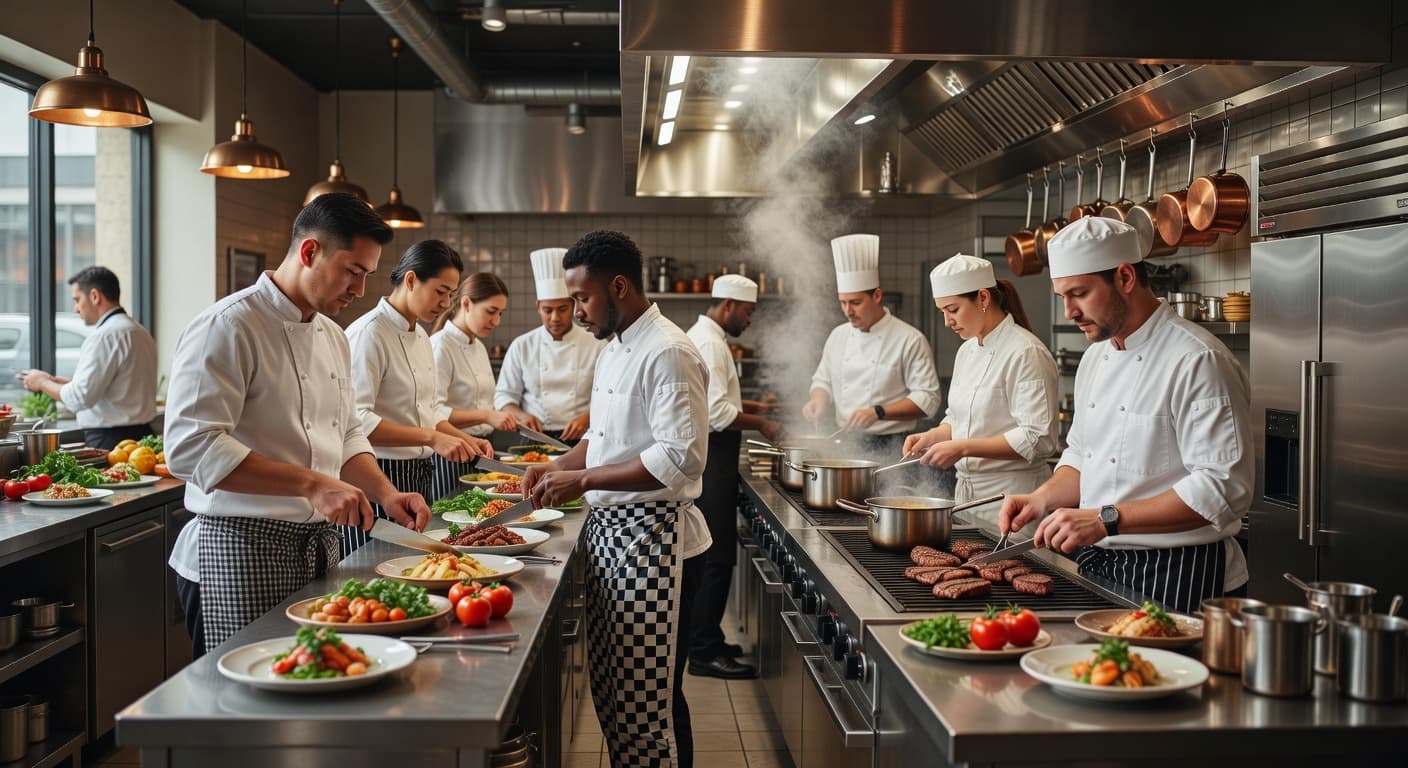
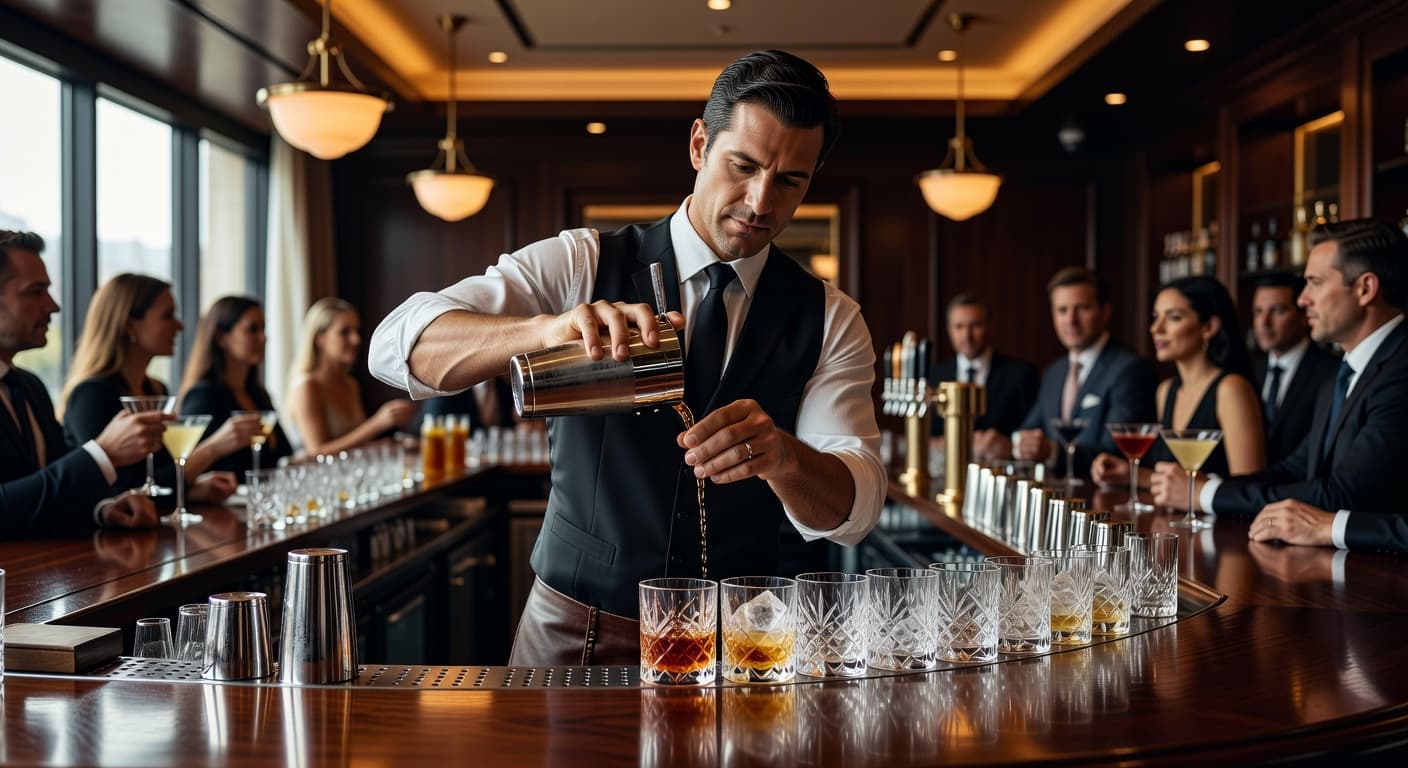
In Nebraska, the useful question is not whether a policy exists, but whether the form matches your actual service model. A neighborhood restaurant that serves drinks with dinner has a different exposure pattern than a wedding venue that allows multiple receptions each month. Both differ from a retailer that sells sealed bottles for off-premises consumption. Your review should focus on where service happens, who serves, how age checks are handled, and whether third-party promoters, caterers, or tenants ever step into the alcohol transaction.
You want to review whether the policy may help with allegations tied to serving an intoxicated patron, service to a minor, or an alcohol-related incident that leads to bodily injury, depending on policy terms. You also want to see how legal defense is treated, whether defense costs sit inside or outside the limit, and how the carrier expects incidents to be documented after a fight, fall, vehicle crash allegation, or other event connected to alcohol service.
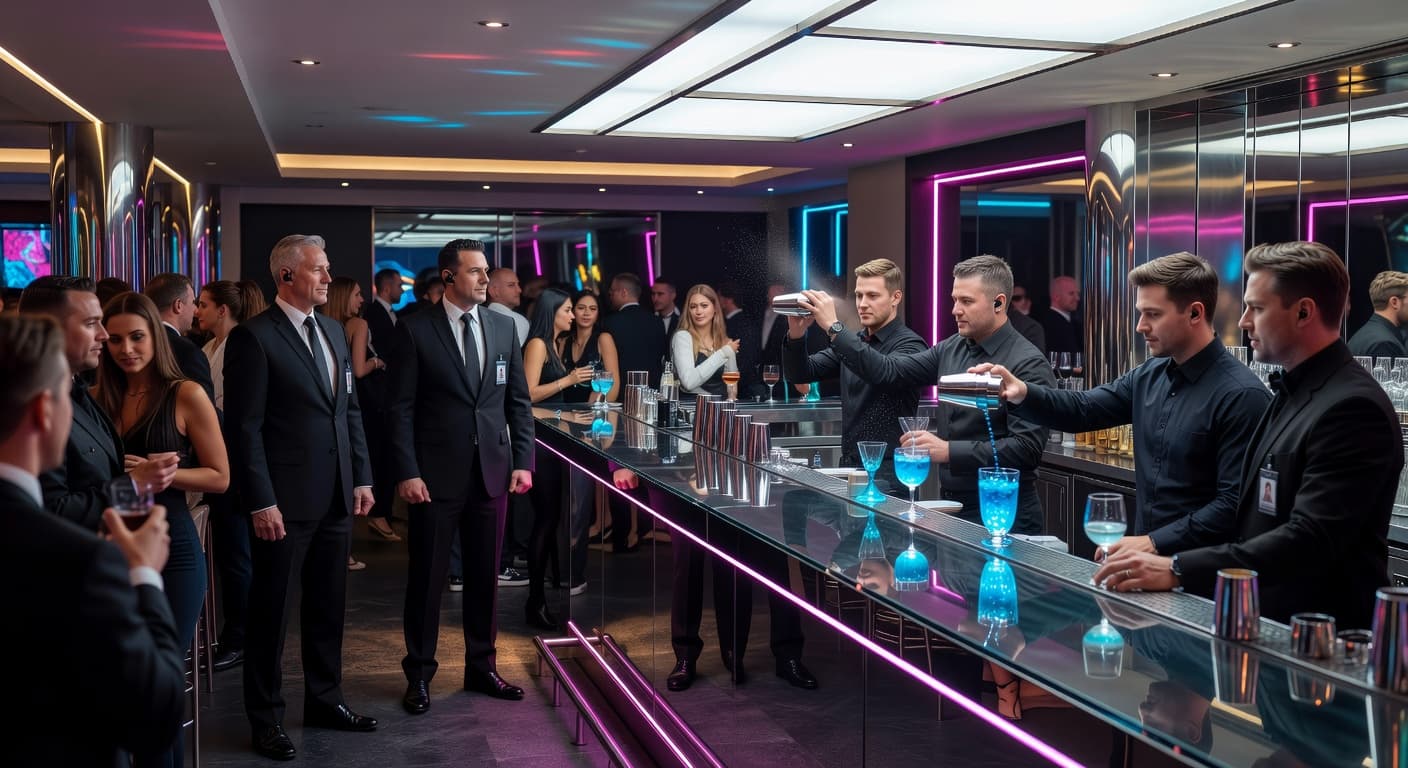
Nebraska businesses should also check the edges of the form. If you run banquet operations, ask how one-day events, rented premises, and third-party hosts are handled. If you manufacture or distribute alcohol and also pour samples, ask whether the policy is written around production, retail service, or both. If your business uses security personnel, contracts with entertainment, or has a dance floor or patio service, bring that up before binding. Those details can change underwriting appetite, endorsements, and the parts of the policy you need to read most carefully.

Bodily Injury Liability
Can help cover injuries an intoxicated patron causes to others after your business served or sold them alcohol.

Property Damage Liability
May pay for property damage caused by an intoxicated customer your establishment served, such as a car crash after leaving.
Assault & Battery
Can help cover claims arising from fights or physical altercations involving intoxicated patrons at your bar or restaurant.

Defense Costs
May pay for attorneys, court fees, and related legal expenses when your business is sued over an alcohol-related incident.

Host Liquor Liability
Can help cover alcohol-related claims from events where you host or serve drinks without selling them, like company parties.
Liquor Liability Insurance Requirements in Nebraska
- **Tenant alcohol setups.** Venues that rent space for receptions should describe whether tenants bring their own alcohol, use approved bartenders, or rely on in-house service. Each setup can change underwriting questions.
- **Manufacturing vs. retail.** A brewery, winery, or distillery with a tasting room should separate manufacturing operations from retail pouring exposure so the policy review addresses both activities clearly.
- **Patio and entertainment disclosure.** Restaurants that add patios, live entertainment, or temporary bars for special events should disclose those service changes before renewal rather than after a claim or certificate request.
- **Outside promoter risk transfer.** Businesses using outside promoters, caterers, or event hosts should review contract risk transfer carefully so additional insured requests and operational responsibilities line up with the policy.
How Much Does Liquor Liability Insurance Cost in Nebraska?
Average Cost in Nebraska
$40 - $190
per month
Businesses in Nebraska typically see liquor liability insurance premiums of $40 - $190 per month, which tends to run 21% below the national range of $50 - $240 per month.
- Share of sales that comes from alcohol
- Type of venue and how late you serve
- Server training and service procedures
- State dram shop law
- Liquor liability limits selected
- Prior over-service or assault claims
Contact CPK Insurance for a personalized quote.
Nebraska liquor liability pricing is usually built from operating facts, not a simple menu price. Underwriters look at your alcohol receipts, the share of sales tied to liquor, beer, or wine, your closing hours, entertainment schedule, security practices, prior claims, and whether you run a bar-first operation or alcohol is secondary to food or another activity. A small restaurant with limited drink sales can be viewed differently from a late-night venue with a busy bar, live music, and frequent special events, even if both occupy similar square footage.
Many businesses see premiums from $40 to $190 per month, depending on alcohol sales, service hours, claims history, limits, and the way your staff controls age verification and overservice. That range is only a starting reference, not a promise. If one quote looks much lower, check whether it changes the limit, narrows covered operations, or handles defense costs differently.
Your final price can also move if you add endorsements requested by a landlord, venue contract, or festival organizer. The same happens when an insurer learns you host private parties, allow outside promoters, or provide off-site bartending. To avoid rework, prepare current alcohol receipts, estimated annual sales, prior carrier loss runs if available, and copies of any contract insurance requirements before you ask for terms. That gives you a cleaner comparison and helps you decide whether the premium fits the actual risk you are asking the policy to address.
Prices shown are general estimates, not guaranteed rates or quotes. Your actual premium will depend on the insurer, coverage selected, business details, location, claims history, and other underwriting factors. Learn about our pricing methodology.
Request a Quote Comparison
Enter your ZIP code to compare liquor liability insurance rates from top carriers.
Business insurance starting at $25/mo
Who Needs Liquor Liability Insurance?
In Nebraska, the businesses that should review liquor liability are the ones whose operations create a real alcohol-related exposure, even if alcohol is not the only thing they sell. That often includes bars, taverns, restaurants, breweries with taprooms, wineries with tasting rooms, event venues, caterers that serve alcohol, private clubs, and retailers whose business model includes alcohol sales or service. The key issue is not your sign out front. It is whether your operation could be pulled into a claim after alcohol is sold, served, or furnished.
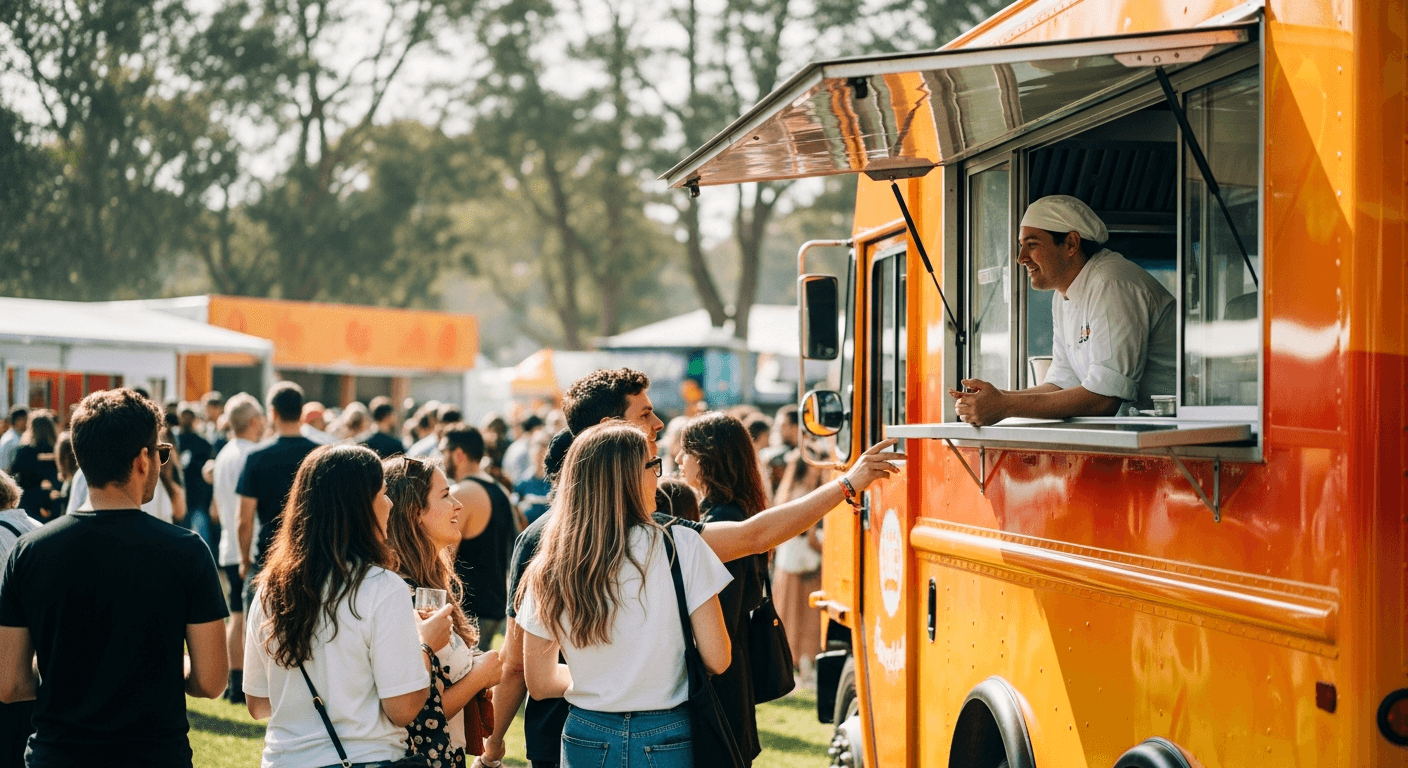
Some owners miss the need because alcohol is occasional rather than daily. A wedding barn that hosts weekend receptions, a golf facility with banquet service, or a community venue that sells drinks only during events can still have meaningful exposure. The same is true if you operate pop-up service, tasting events, or seasonal festivals. If alcohol is part of the customer experience, ask for the exposure to be reviewed instead of assuming a general liability policy may address it.
You should also pay attention if another party is shifting risk to you by contract. Landlords, lenders, event hosts, and municipal venue managers may ask for proof of coverage before they hand over keys, approve an event date, or finalize a vendor agreement. If your staff checks IDs, pours drinks, stocks a bar, or manages alcohol service vendors, that is usually enough reason to get a quote and compare forms. Businesses with multiple revenue streams should be especially careful to describe every alcohol-related activity so the policy is built around the operation you actually run.
Liquor Liability Insurance by City in Nebraska
Liquor Liability Insurance rates and coverage options can vary across Nebraska. Select your city below for localized information:
How to Buy Liquor Liability Insurance
Buying this coverage goes more smoothly when you treat the quote request like an underwriting submission, not a quick form fill. Start by listing every way alcohol enters your operation, including on-premises service, packaged sales, tastings, catered events, tenant events, private rentals, or off-site bartending. Then gather the documents that shape the policy decision, including your lease, event contracts, prior policy information, and any loss history you can provide. If your business has written ID-check procedures, incident logs, or staff training records, keep those ready too.
Next, ask for quotes that are built on the same facts. Use the same estimated alcohol receipts, operating hours, event count, and description of security practices for each carrier. That is the only way to compare terms fairly. While reviewing options, look beyond the premium and ask how the policy treats defense costs, whether exclusions affect your main exposure, and how additional insured requests are handled for landlords or venues. If your business changes by season, mention that before binding so the insurer can underwrite the right pattern of operations.
Buyers should also confirm who regulates the policy and complaint process. The Nebraska Department of Insurance is the state regulator, so if you want to verify licensing, consumer resources, or complaint channels, that is the place to check before you finalize coverage. Once you choose a policy, review the declarations, endorsements, and named insured details carefully. A small mismatch in entity name, premises address, or described operations may cause issues later when a certificate is requested or a claim is reported.
How to Save on Liquor Liability Insurance
The most reliable way to lower liquor liability costs is to make the account easier for an underwriter to understand and price. If your application clearly separates food sales from alcohol sales, explains your closing hours, identifies whether security is used, and shows how staff handles age verification, you reduce the chance that a carrier prices in uncertainty.
You can also save by matching the policy to the operation instead of buying around assumptions. If alcohol service is limited to certain days, private events, or a small part of total revenue, make sure that is documented. If your business has changed, update the application rather than letting an old description follow you into renewal. A restaurant that no longer hosts late-night entertainment, or a venue that now uses professional security, should ask for those changes to be reflected in the quote.
Another practical step is to control contract friction before renewal. Review leases and event agreements early so you are not paying extra at the last minute for endorsements you could have planned for. Keep incident records organized, respond quickly to underwriting questions, and ask carriers to quote the same effective date and core terms for a fair comparison. If you have multiple locations, separate the operational details for each one instead of blending them together. That helps you see which site is driving the premium and where procedural changes may reduce cost at the next renewal.
Our Recommendation for Nebraska
For buyers, the strongest approach is to build your quote around operations, not labels. Do not just say you are a restaurant, venue, or brewery. Spell out whether alcohol is served at tables, across a bar, during private events, at temporary stations, or off site. That level of detail helps you avoid a policy that looks acceptable on the declarations page but leaves key parts of your service model unclear.
A lease may require specific limits or additional insured wording, and an event agreement may shift responsibility for alcohol service in ways that need to be addressed before the policy is issued. If you wait until after binding, you may end up scrambling for endorsements or learning that a carrier will not accommodate the request.
Finally, treat renewal as a re-underwriting opportunity. If your operation added security, reduced late-night hours, stopped hosting concerts, or changed from full bar service to beer and wine only, ask for the account to be remarketed on those updated facts. Bring current alcohol receipts, a summary of incidents, and your upcoming event calendar. That gives you a better chance to compare meaningful options and buy a policy that fits the way you serve today.
FAQ
Frequently Asked Questions
Applicants get a cleaner quote when they provide alcohol receipts, service hours, event details, security practices, and contract requirements up front. That lets you compare terms on the same facts instead of revising the application after underwriting follow-up questions arrive.
Event venues often should review coverage even when alcohol service is occasional. If receptions, banquets, or private rentals include alcohol, the exposure can still be significant enough to justify a quote built around those event operations.
Pricing usually moves with alcohol sales, service hours, entertainment, security, prior claims, and whether alcohol is central to the business or incidental. A quote is more useful when those details are specific, current, and consistent across every carrier submission.
Breweries and wineries should usually describe tastings, pours, packaged sales, and private events separately. That helps the insurer evaluate the full operation instead of assuming your exposure is limited to manufacturing or retail alone.
Insurance companies are regulated by the Nebraska Department of Insurance, which provides licensing and consumer information for the state. If you want to verify regulatory oversight before buying, start there and then review the policy terms line by line.
Leases and event agreements often drive the limits, certificate wording, or additional insured requests you need. Review those documents early so the quote reflects the contract requirements instead of forcing endorsement changes after binding.
Buyers should review the named insured, premises, described operations, exclusions, defense handling, and any endorsements tied to landlords or venues. Those details matter more than a low premium if your business serves alcohol in more than one way.
U.S. businesses that sell, serve, or distribute alcohol should review liquor liability insurance. That usually includes bars, restaurants, breweries, wineries, liquor stores, caterers, hotels, and event venues, especially when alcohol service is part of normal operations rather than an occasional event.
Sources
- 1.Nebraska Department of Insurance(The Nebraska Department of Insurance is the state regulator.)
Updated July 16, 2026