








































Updated July 16, 2026

Builders Risk Insurance in Lincoln
You usually feel the need for this decision when a closing date lands, a lender asks for proof of coverage, or a remodel budget hardens to the point that cabinets, fixtures, and staged materials are no longer easy to replace out of pocket. Builders risk insurance in Lincoln becomes a practical review at that stage, because the property values behind many local projects are not trivial. With a median home value of $248,200, a ground-up home, major addition, or substantial renovation can put a meaningful amount of work and stored material at risk before the job is finished, which means a single incident could exceed what many households could cover from savings. That reality makes your limit, soft-cost options, and reporting of materials on site deserve a closer look. Many owners are also balancing a real construction budget against mortgage, rent, and cash reserves, which makes deductible selection and clear responsibility between owner and contractor worth settling before work starts. Bring the construction contract, project timeline, and draw schedule into the quote request so the policy can be matched to how the job will actually move.
Builders Risk Insurance Risk Factors in Lincoln
Lincoln's top risk factors include Tornado damage, Hail damage, Severe storm damage, and Wind damage.
Nebraska has a high climate risk rating. Top hazards: Tornado (Very High), Hailstorm (Very High), Severe Storm (High), Flooding (Moderate). The state's expected annual loss from natural hazards is $1.2B, which influences builders risk insurance premiums and may affect coverage availability in high-risk areas.
What Builders Risk Insurance Covers
In Nebraska, the most useful coverage review starts with the way the project is staged, not with a generic checklist. A rural build with materials dropped early on site creates different exposure than an infill project where deliveries arrive in tighter phases and storage space is limited. If your project includes detached structures, temporary works, owner-supplied materials, or equipment that will be installed later, those details should be raised before the policy is issued so the quote reflects the real flow of the job.
Renovation work often needs closer attention than buyers expect. If part of the building remains in use during construction, you should ask where the builders risk form draws the line between existing structure, new work, and materials waiting to be installed. That matters when a loss affects both old and new portions of the property and the contract assigns responsibility across several parties.
Nebraska projects also benefit from a practical discussion about weather-sensitive property. If materials can be damaged while stored outdoors, if temporary enclosures are part of the build plan, or if the schedule runs through seasons with severe storm potential, ask how those conditions affect property definitions, protective safeguards, and claim documentation expectations. The Nebraska Department of Insurance oversees insurance regulation in the state, which gives you a formal channel for complaints if a claim dispute or policy issue ever arises during your project. Before binding coverage, compare the contract schedule of values, the site logistics plan, and the property list line by line so the policy matches what will actually be at risk.
Coverage Included

Structure Coverage
Covers the building or structure under construction.

Materials on Site
Covers building materials stored at the construction site.

Materials in Transit
Covers materials being transported to the job site.
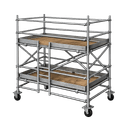
Temporary Structures
Covers scaffolding, fencing, and temporary buildings.

Soft Costs
Covers additional expenses from construction delays due to covered losses.

Equipment Coverage
Covers permanently installed fixtures and equipment.
Industries & Insurance Needs in Lincoln
Lancaster County's business mix changes the builders risk conversation because construction is a large share of the local operating economy, not a niche activity. County Business Patterns shows 8,929 business establishments in Lancaster County, and construction accounts for 12.6% of establishments, alongside health care and social assistance at 12.9% and other services at 11.3%. That matters because many projects here involve a dense chain of contractors, specialty trades, suppliers, landlords, and professional tenants, so the insurance review should not stop at the structure alone. If you are improving a medical office, service space, or mixed-use property, ask who is responsible for temporary works, owner-furnished materials, and any equipment that will be stored before installation. On a busier local contracting market, delays and handoff mistakes can create uninsured gaps if the named insured, project address, and covered property are not aligned across the contract and policy.
What Makes Lincoln Different
The real question is how much partially completed value sits exposed during construction before the project reaches completion. In a market where even a single-family build or major remodel can represent a large amount of that value, the buying decision shifts quickly. That pushes the review away from a bare-minimum certificate mindset and toward completed value, materials stored on or off site, and whether soft costs should be scheduled. With median household income at $69,991, many owners are funding projects with a mix of savings, loan proceeds, and tight monthly obligations, so a mid-project loss could force borrowing against other assets or delaying completion. A deductible that looks manageable on paper may still be disruptive after a covered loss, which is why sizing the policy around what your household or business could actually absorb matters more than meeting the minimum a contract or lender asks to see.
Our Recommendation for Lincoln
Begin by mapping the contract chain on local remodels and custom builds, asking who must insure the existing structure, new work, materials in transit, and materials stored before installation. Make sure the policy matches that allocation instead of assuming the contractor's form handles everything. Next, pressure-test the completed value. If your budget has changed since plans were priced, update the limit before major materials arrive, especially on projects where owner-selected finishes or long-lead items raise the value in place quickly. For commercial work, remember that many jobs involve tenants, vendors, and lenders who each want evidence of coverage framed a little differently. Request sample certificates early rather than the day before closing or mobilization. If the project is a renovation, separate what already exists from what is being added or rebuilt, because that distinction often decides whether a loss becomes a straightforward claim review or a dispute over what property was actually insured.
Get Builders Risk Insurance in Lincoln
Enter your ZIP code to compare builders risk insurance rates from carriers in Lincoln, NE.
Business insurance starting at $25/mo
FAQ
Frequently Asked Questions
Start with the real finished replacement value of the work, not a rough materials number. Even moderate additions or rebuilds can justify a closer limit review before framing and finish materials are on site.
Lenders often want evidence that the project property is insured before funds are advanced or closing conditions are cleared. Bring the loan requirements, contract, and draw schedule into the quote review so the named insured and project value line up.
Lancaster County has 8,929 business establishments, with construction making up 12.6% of establishments, meaning more than one in eight local businesses is tied to building trades. With that many trades involved, materials and owner-furnished items can pass through multiple hands before installation, so confirming who insures each category before work begins can prevent gaps.
Renovation projects are often worth reviewing because the amount at stake can rival or exceed a year of take-home pay for a typical local household. A loss during construction can strain cash flow, so deductible and covered property details deserve attention.
The Nebraska Department of Insurance regulates insurance in the state. If a claim dispute or policy issue ever arises during your project, you have a formal complaint channel through that agency to help resolve it.
Yes, if the contract assigns you the responsibility for insuring the project or if you are purchasing materials directly. The key question is which party the contract makes responsible, and whether owner-purchased materials or phased work create added exposure.
Nebraska rural job sites can change how underwriters view storage, security, inspections, and response time after a loss. If your project is outside a dense area, describe fencing, lighting, lockup procedures, and site checks in detail before requesting terms.
Nebraska renovation projects can often be reviewed for builders risk, but you should clarify how the policy treats existing structure, new work, and any occupied portions of the building. That distinction matters more than the project label alone.
Sources
- 1.U.S. Census Bureau, ACS 5-Year Estimates, table B25077(Lincoln median home value is $248,200.)
- 2.U.S. Census Bureau, ACS 5-Year Estimates, table B19013(Lincoln median household income is $69,991.)
- 3.U.S. Census Bureau, County Business Patterns, Lancaster County(Lancaster County has 8,929 business establishments.; In Lancaster County, health care and social assistance accounts for 12.9% of establishments, construction 12.6%, and other services 11.3%.)
Updated July 16, 2026





