







































Updated July 16, 2026

Builders Risk Insurance in Omaha
Building in Omaha means working in a market where lenders, owners, and general contractors all expect the insurance file to match the real scope of the job. Builders risk insurance here usually gets scrutinized through tighter project coordination, lender expectations, and higher finished-property values. With a median home value of $230,100, a limit that looked adequate on paper can come up short if it does not track the completed value, planned upgrades, and materials already committed to the site. That figure matters because it sets a baseline for what buyers expect a finished property to be worth, so a policy keyed to an older cost estimate may leave a gap by the time the last fixtures go in. Local files also tend to move through more counterparties at once, so responsibility for temporary structures, stored materials, and change orders needs to be clear before work starts. Whether you are building a custom home, renovating an older property, or finishing out a light commercial shell, the quote you request should tie directly to the construction budget, the completed value target, and the contract language. Then review how off-site storage, theft, and delay-related exposures are handled.
Builders Risk Insurance Risk Factors in Omaha
Omaha's top risk factors include Tornado damage, Hail damage, Severe storm damage, and Wind damage.
Nebraska has a high climate risk rating. Top hazards: Tornado (Very High), Hailstorm (Very High), Severe Storm (High), Flooding (Moderate). The state's expected annual loss from natural hazards is $1.2B, which influences builders risk insurance premiums and may affect coverage availability in high-risk areas.
What Builders Risk Insurance Covers
In Nebraska, the most useful coverage review starts with the way the project is staged, not with a generic checklist. A rural build with materials dropped early on site creates different exposure than an infill project where deliveries arrive in tighter phases and storage space is limited. If your project includes detached structures, temporary works, owner-supplied materials, or equipment that will be installed later, those details should be raised before the policy is issued so the quote reflects the real flow of the job.
Renovation work often needs closer attention than buyers expect. If part of the building remains in use during construction, you should ask where the builders risk form draws the line between existing structure, new work, and materials waiting to be installed. That matters when a loss affects both old and new portions of the property and the contract assigns responsibility across several parties.
Nebraska projects also benefit from a practical discussion about weather-sensitive property. If materials can be damaged while stored outdoors, if temporary enclosures are part of the build plan, or if the schedule runs through seasons with severe storm potential, ask how those conditions affect property definitions, protective safeguards, and claim documentation expectations. The Nebraska Department of Insurance oversees insurance regulation in the state, which gives you a formal channel for complaints if a claim dispute or policy issue ever arises during your project. Before binding coverage, compare the contract schedule of values, the site logistics plan, and the property list line by line so the policy matches what will actually be at risk.
Coverage Included

Structure Coverage
Covers the building or structure under construction.

Materials on Site
Covers building materials stored at the construction site.

Materials in Transit
Covers materials being transported to the job site.
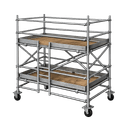
Temporary Structures
Covers scaffolding, fencing, and temporary buildings.

Soft Costs
Covers additional expenses from construction delays due to covered losses.

Equipment Coverage
Covers permanently installed fixtures and equipment.
Industries & Insurance Needs in Omaha
Douglas County is dense with business activity, with 16,689 establishments, so many local projects involve more vendor coordination, delivery scheduling, and third-party site access than a simpler build in a smaller market. The county mix also matters: health care and social assistance accounts for 12.9% of establishments, professional, scientific, and technical services 11%, and construction 10.8%. That combination tends to produce tenant improvements, office build-outs, clinic renovations, and contractor-driven projects where multiple parties may have a financial interest in the work before completion. For you, the practical takeaway is to line up the named insured structure, lender requirements, and any additional insured or loss payee requests early. If the project touches occupied space or phased turnover, ask specifically how the policy handles existing structures, stored materials, and partial completion so the coverage follows the way the job will actually be built.
What Makes Omaha Different
Coordination is the main thing that changes the builders risk decision in Omaha. The coverage question is rarely just about the building itself. It extends to who supplies the materials, where they sit before installation, which party carries the risk of loss under the contract, and how fast a change order can shift the insured value. That becomes more important in a city where household purchasing power and property values support larger finish selections and more customized scopes. With median household income at $72,708, buyers and owners may choose upgrades that raise the completed value during the job. When owners have room in the budget for higher-grade finishes, a policy written to the original spec can fall behind the real cost to replace what was actually installed. Review the budget schedule, allowances, and any owner-supplied materials before binding, and update the file when the scope changes instead of waiting until renewal or project closeout.
Our Recommendation for Omaha
Start by matching the policy limit to the completed value you are actually trying to deliver, not just the initial hard-cost estimate. If the project includes custom finishes, owner-furnished materials, or phased draws from a lender, ask how those items are documented so the file stays current as the job evolves. For renovation work, separate the value of the existing structure from the value of new work. Confirm whether the policy is intended to address both, based on the specific terms and how the contract assigns responsibility. If materials will sit in a warehouse, storage yard, or garage before installation, request a clear answer on off-site storage treatment and any sublimits that could matter after a theft or weather loss. Compare the construction contract against the quote request line by line so the named insured and loss payee setup reflects whoever actually bears the risk of loss before the first delivery reaches the site.
Get Builders Risk Insurance in Omaha
Enter your ZIP code to compare builders risk insurance rates from carriers in Omaha, NE.
Business insurance starting at $25/mo
FAQ
Frequently Asked Questions
Omaha projects usually work better when the limit is reviewed against the finished value, not only the early construction budget. With a median home value of $230,100, upgrades and change orders can push the exposure higher than the original estimate. Insuring to a lower construction cost can leave you short if a loss happens late in the build, since the market treats that median as a standard finished property.
Omaha renovation jobs often need a closer review of what is already standing versus what is being added. If the project touches occupied or older space, ask whether existing structure exposure is addressed under the specific policy terms and how the contract assigns responsibility.
Douglas County has 16,689 business establishments, so projects here often involve more deliveries, subcontractors, and third-party interests. More active businesses mean more trucks, more stored materials, and more parties who expect to be listed on the policy, which raises the odds of a gap if the file is not set up correctly from the start.
Omaha commercial work often includes owners, lenders, general contractors, and tenant stakeholders on the same file. Before binding, clarify who must be named on the policy, who bears the risk of loss under the contract, and how change orders will affect the insured value.
Douglas County is led by health care and social assistance at 12.9%, professional and technical services at 11%, and construction at 10.8% of establishments. Those sectors tend to produce clinic build-outs, office tenant improvements, and contractor-led projects where phased work and multiple financial interests deserve closer review.
The Nebraska Department of Insurance regulates insurance in the state. If a claim dispute or policy issue ever arises during your project, you have a formal complaint channel through that agency to help resolve it.
Yes, if the contract assigns you the responsibility for insuring the project or if you are purchasing materials directly. The key question is which party the contract makes responsible, and whether owner-purchased materials or phased work create added exposure.
Nebraska rural job sites can change how underwriters view storage, security, inspections, and response time after a loss. If your project is outside a dense area, describe fencing, lighting, lockup procedures, and site checks in detail before requesting terms.
Sources
- 1.U.S. Census Bureau, ACS 5-Year Estimates, table B25077(In a market where the median home value is $230,100, a limit that looked adequate on paper can come up short if it does not track the completed value, planned upgrades, and materials already committed to the job.)
- 2.U.S. Census Bureau, County Business Patterns, Douglas County(Douglas County is dense with business activity, with 16,689 establishments, so many local projects involve more vendor coordination, delivery scheduling, and third-party site access than a simpler build in a smaller market.; The county mix also matters: health care and social assistance accounts for 12.9% of establishments, professional, scientific, and technical services 11%, and construction 10.8%.)
- 3.U.S. Census Bureau, ACS 5-Year Estimates, table B19013(With median household income at $72,708, buyers and owners may choose upgrades that raise the completed value during the job, so a policy set too narrowly at the start can lag behind the real exposure.)
Updated July 16, 2026





