Updated July 16, 2026

Key Takeaways
- Review your construction contract before requesting a quote, so the named insureds and insurance responsibility match the job documents.
- Prepare the project budget, timeline, address, and scope summary before applying, so the quote reflects the work actually being built.
- Check whether the policy addresses on-site materials, transit, temporary structures, and soft costs before the first delivery arrives.
- Compare the policy term against your realistic completion schedule, then ask about extension options before the original term gets close to expiring.
- Map builders risk against your liability, installation, and equipment policies, so you avoid both coverage gaps and overlapping property insurance.
Builders Risk Insurance in Nevada
A wind event that tears off temporary roofing, a theft from an open job site, or smoke and water damage during a remodel can stall a Nevada project fast. In a state where work often moves between fast-growing suburban builds, tenant improvements, and custom homes in dry, exposed conditions, builders risk insurance is less about theory and more about keeping a job financially recoverable after a loss. You are usually trying to protect materials already delivered, work already put in place, and the budget tied to a fixed construction schedule.
Site security, storage practices, renovation occupancy, and who carries the risk under the contract all affect how you should structure the policy before work starts. If you are comparing forms, endorsements, or cancellation terms, you should read them with the state framework in mind. Before you request a quote, line up the construction agreement, the project address, the completed value, and a clear list of materials that will be stored on site or off site.
What Builders Risk Insurance Covers
On a Nevada project, the practical coverage question is not the broad national definition. It is whether the policy matches how the job is staged, stored, and protected from the first delivery through punch work. If you are building in an exposed area, renovating an occupied property, or relying on staggered material deliveries, you should review exactly which property is scheduled, where it is located, and when coverage attaches.
For new construction, that usually means checking whether the policy is written around the full project at the site address, including materials that may become part of the work as installation progresses. For additions and major renovations, you should look closely at the line between existing property and new work. That distinction matters because a loss can affect both, but the form may not treat them the same way unless the policy is structured for the job you are actually doing.
Nevada job sites also raise operational issues that change what you should request. If materials are stored in a yard, warehouse, or temporary location before installation, ask how off-site storage is handled. If equipment, fixtures, or finish materials are delivered early because of supply timing, confirm whether they are covered before they are fully installed. If the project includes owner-supplied items, verify whether those values are included or need to be scheduled separately.
You should also review soft-cost and delay-related options carefully on larger jobs. A covered property loss can push back opening dates, tenant turnover, or financing milestones. That does not mean every policy includes those exposures automatically. It means you should ask for a line-by-line review of what is included, what is excluded, and what conditions apply to theft protection, temporary structures, debris removal, and testing or startup exposures before binding coverage.

Structure Coverage
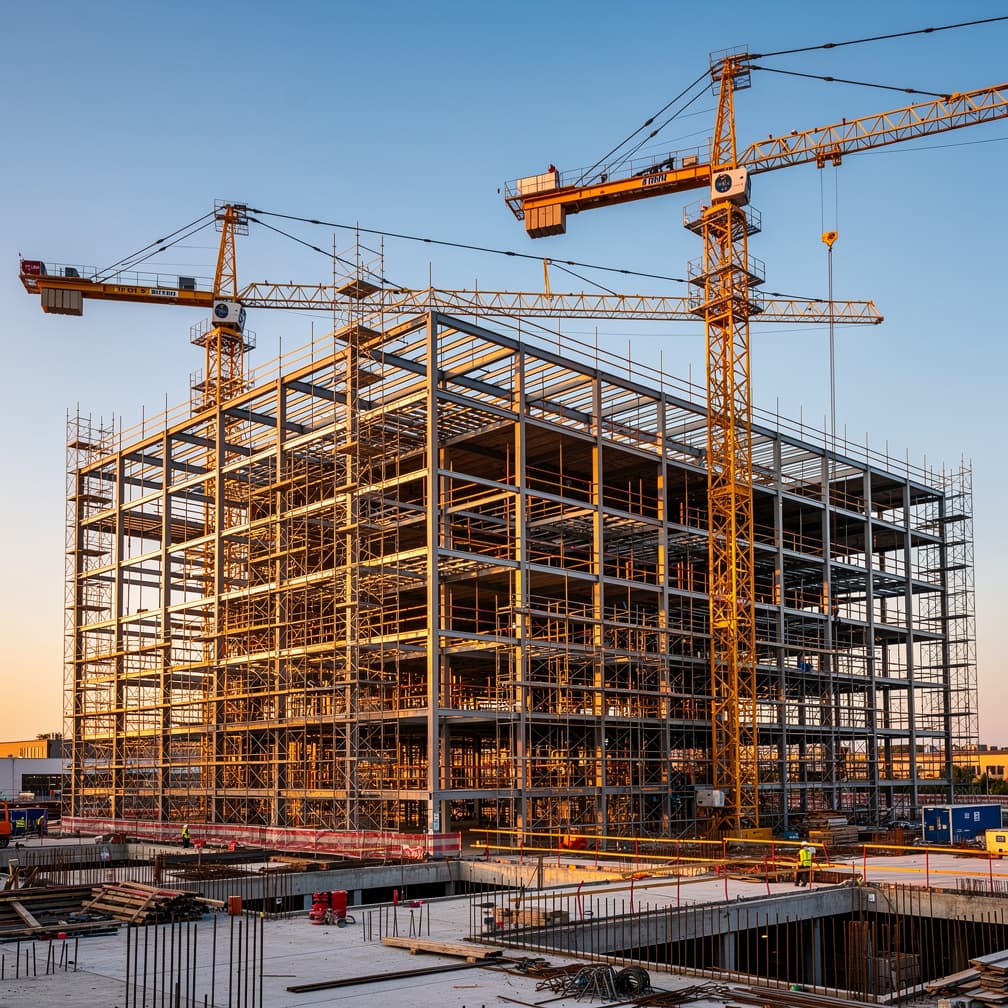
Covers the building or structure under construction.

Materials on Site
Covers building materials stored at the construction site.

Materials in Transit
Covers materials being transported to the job site.
Temporary Structures
Covers scaffolding, fencing, and temporary buildings.

Soft Costs
Covers additional expenses from construction delays due to covered losses.
Equipment Coverage
Covers permanently installed fixtures and equipment.
Builders Risk Insurance Requirements in Nevada
- Nevada renovation projects often need careful wording around existing structures, because damage can involve both the new work and occupied property already in service.
- Open or lightly supervised Nevada job sites can create tougher theft questions, so storage locations, fencing, lighting, and inspection routines should be documented early.
- If your Nevada project depends on early delivery of fixtures or finish materials, review whether off-site storage and on-site waiting periods are addressed clearly.
- Dry conditions and exposed sites can turn a small fire, smoke event, or wind-driven loss into a schedule problem, so delay-related options may be worth reviewing on larger jobs.
How Much Does Builders Risk Insurance Cost in Nevada?
Builders risk pricing in Nevada is usually shaped by underwriting detail, not by a simple posted rate. The quote often changes based on the completed value, construction type, project term, security controls, and whether the work is ground-up construction, a major addition, or an interior renovation. A clean project package with specific values and documented controls gives underwriters what they need to price the risk accurately.
Start with the completed value you want insured. If that number is understated, the policy can be misaligned from the beginning. If it is overstated, you may pay for limits you do not need. Carriers also look at the construction schedule because a longer build can mean a longer window for theft, weather damage, fire, and water loss. A project with phased turnover, specialty finishes, or long-lead materials may need more careful valuation than a straightforward shell build.
Nevada-specific job conditions can also move the quote. Remote or lightly supervised sites may be viewed differently than projects with controlled access, fencing, lighting, and documented delivery procedures. Renovation work can price differently from new construction because occupied buildings, existing systems, and partial use create a different loss profile. If the project includes high-value materials stored before installation, that can affect both limit selection and underwriting questions.
Ask each quote to show the same treatment of theft, water damage, temporary works, and off-site storage. If wording differences seem minor, slow down and compare the actual form language before you choose a policy.
Request a Quote Comparison
Enter your ZIP code to compare builders risk insurance rates from top carriers.
Business insurance starting at $25/mo
Who Needs Builders Risk Insurance?
In Nevada, the buyer is often the party that carries the financial risk under the contract, but that is only the starting point. You should review this coverage if you are the owner funding the work, the developer coordinating the project, the general contractor responsible for the build, or a lender-driven party that must show evidence of property coverage before draws continue. The right answer depends on who would absorb the loss if partially completed work is damaged.
Owners often need it on custom homes, investment property renovations, additions, and commercial build-outs because they have money tied up in the site, the materials, and the schedule. General contractors should pay close attention when the contract pushes insurance responsibility downstream or requires specific parties to be named. Developers may need a more coordinated approach when multiple entities have an insurable interest in the same project.
Nevada renovations deserve special attention. If you are improving an occupied building, the risk is not limited to the new work area. A fire, water event, or theft loss can interrupt tenants, delay reopening, or create disputes over whether damaged property was part of the existing structure or part of the contract work. That is why the named insured structure, loss payee requirements, and any additional insured or mortgagee requests should be sorted out before materials arrive.
You should also review this coverage if your project relies on lender oversight, investor reporting, or milestone-based payments. Those arrangements make documentation more important after a loss. Before you buy, identify every party with a financial stake, match that list against the contract, and confirm who must appear on the policy so claim handling does not become a second problem after the damage itself.
Builders Risk Insurance by City in Nevada
Builders Risk Insurance rates and coverage options can vary across Nevada. Select your city below for localized information:
How to Buy Builders Risk Insurance
In Nevada, buying builders risk correctly starts with assembling the project file that an underwriter actually needs. Pull the signed or near-final contract, the project address, scope of work, construction schedule, completed value, and a list of who needs to be named on the policy. If the job involves a renovation, include a clear description of the existing structure, current occupancy, and how the work area will be separated and secured.
Underwriters usually need to know what materials will be delivered to the site, what may be stored elsewhere before installation, and whether any owner-furnished items are part of the insured value. If you are using temporary structures, staging areas, or phased completion, say so early. Those details often matter more than a generic application answer because they show how the project actually operates.
When quotes come back, compare them on matching assumptions. Ask direct questions about theft conditions, water damage triggers, vacancy or occupancy issues during renovation, and how the form treats materials in transit or off site if those exposures apply to your job.
Read the declarations, covered property wording, exclusions, and any special conditions line by line before binding. Your final step is simple: confirm the named insureds, lender or owner interests, site address, policy term, and total insured value in writing before the first major delivery hits the job. Request a quote through CPK Insurance to compare your options with participating licensed providers.
How to Save on Builders Risk Insurance
The cleanest way to save on builders risk in Nevada is to remove uncertainty from the submission and reduce avoidable claim triggers at the site. If your application leaves open questions about valuation, storage, occupancy, or security, you usually make the project harder to place and harder to compare.
Start by tightening the completed value. Break out labor, materials, and any owner-supplied components that should be included. If the project is a renovation, separate the value of new work from property that is not intended to be insured under the form. That helps prevent both overinsuring and underinsuring. It also gives you a better basis for comparing quotes that might otherwise look similar but are built on different assumptions.
Next, document the site story with specifics. Record fencing height and type, lighting coverage, lock brands, alarm arrangements, delivery controls, and where high-value materials will be stored before installation. If the project is in a more exposed area or will sit unattended for stretches, explain what inspection routine and loss-prevention steps are in place. A well-documented security plan can make the risk easier to underwrite than a vague promise that the site is monitored.
You can also save by aligning the policy term with the real schedule instead of padding it without reason. Build in enough time for delays, but do not default to a longer term than the project needs. Review deductibles carefully as well. A higher deductible can reduce premium, but only if the amount still fits your cash flow after a loss. Before you bind, ask for one final comparison using the same values and coverage assumptions so you can see whether the lower price comes from better underwriting inputs or from coverage being stripped back.
Our Recommendation for Nevada
For Nevada projects, treat builders risk as a job-specific property policy that should follow the way the work is staged, not a box to check at closing. The most common buying mistake is waiting until the contract is signed and materials are already scheduled, then trying to force a quick quote through incomplete information.
First, review the contract for insurance responsibility, named parties, and any lender requirements. Then verify the completed value against the construction budget, including owner-furnished materials if they need to be insured. On renovations, ask for a clear explanation of how the policy treats existing property versus new work, because that line can decide whether a claim is straightforward or disputed.
Next, focus on theft controls, water controls, and storage locations. Nevada sites can be exposed, and underwriters want to know how materials are protected before installation. If finishes or fixtures will arrive early, confirm whether they are covered on site, off site, or in transit. If the project has a realistic chance of delay after a covered loss, ask whether soft-cost options should be reviewed instead of assuming they are included.
Before you choose a quote, compare form wording side by side and resolve any gaps in writing. That extra review is usually cheaper than discovering a limitation after the loss has already interrupted the job.
FAQ
Frequently Asked Questions
Nevada projects usually place the purchase obligation on the party carrying the property risk under the contract, often the owner or developer, but sometimes the general contractor. Check the agreement first, then match the policy to every party with a financial interest in the work.
Nevada renovation projects can be insured, but the key issue is how the policy separates existing property from new work. If the building stays occupied during construction, ask for a clear explanation of what property is insured and what conditions apply.
Nevada buyers should compare quotes on identical assumptions: same completed value, same term, same deductible structure, and the same treatment of theft, water damage, and stored materials. That is the only way to tell whether a lower premium reflects pricing or reduced coverage.
Nevada builders risk policies may handle off-site storage differently, so you should ask before materials are purchased. If fixtures, finish materials, or owner-furnished items will sit in a warehouse or yard, confirm whether they are included and under what limits.
Nevada submissions move more smoothly when you provide the contract, project address, scope of work, construction schedule, completed value, and the list of named parties up front. For renovations, include occupancy details and how the work area will be secured and separated.
Nevada insurance is regulated by the Nevada Division of Insurance, which oversees carrier licensing and market conduct in the state. If you have a dispute over a claim or policy wording, the Division can help you understand your rights as a consumer and may assist with resolving complaints against carriers.
Builders risk insurance may cover, subject to policy terms, the structure under construction, materials on site, materials in transit, temporary structures, and fixtures or equipment being installed. Depending on the policy, you can also review soft costs and delay-related coverage tied to a covered property loss.
Builders risk insurance is commonly reviewed by property owners, developers, general contractors, and home builders. The right buyer depends on the construction contract, lender requirements, and which party would absorb the loss if the project is damaged before completion.
Sources
- 1.Nevada Division of Insurance(Nevada insurance is regulated by the Nevada Division of Insurance.)
Updated July 16, 2026