Updated July 5, 2026

Builders Risk Insurance in Las Vegas
Las Vegas construction values make limit selection less forgiving. Builders risk insurance in Las Vegas often needs to track current replacement budgets closely, especially on custom homes, higher-finish remodels, and projects where owner expectations rise with neighborhood comps. If your deductible is set too high just to trim premium, a smaller theft, water event, or partial fire loss can still leave the project budget short at the worst point in the schedule. The local income picture matters too. Las Vegas median household income is $70,723, so many owners financing a build or major renovation are watching cash flow carefully and may want clearer terms around soft costs, change orders, and when values should be increased during construction. That usually means reviewing the construction contract, draw schedule, and materials list before you request terms, then matching the policy limit to the completed value you are actually trying to protect.
Builders Risk Insurance Risk Factors in Las Vegas
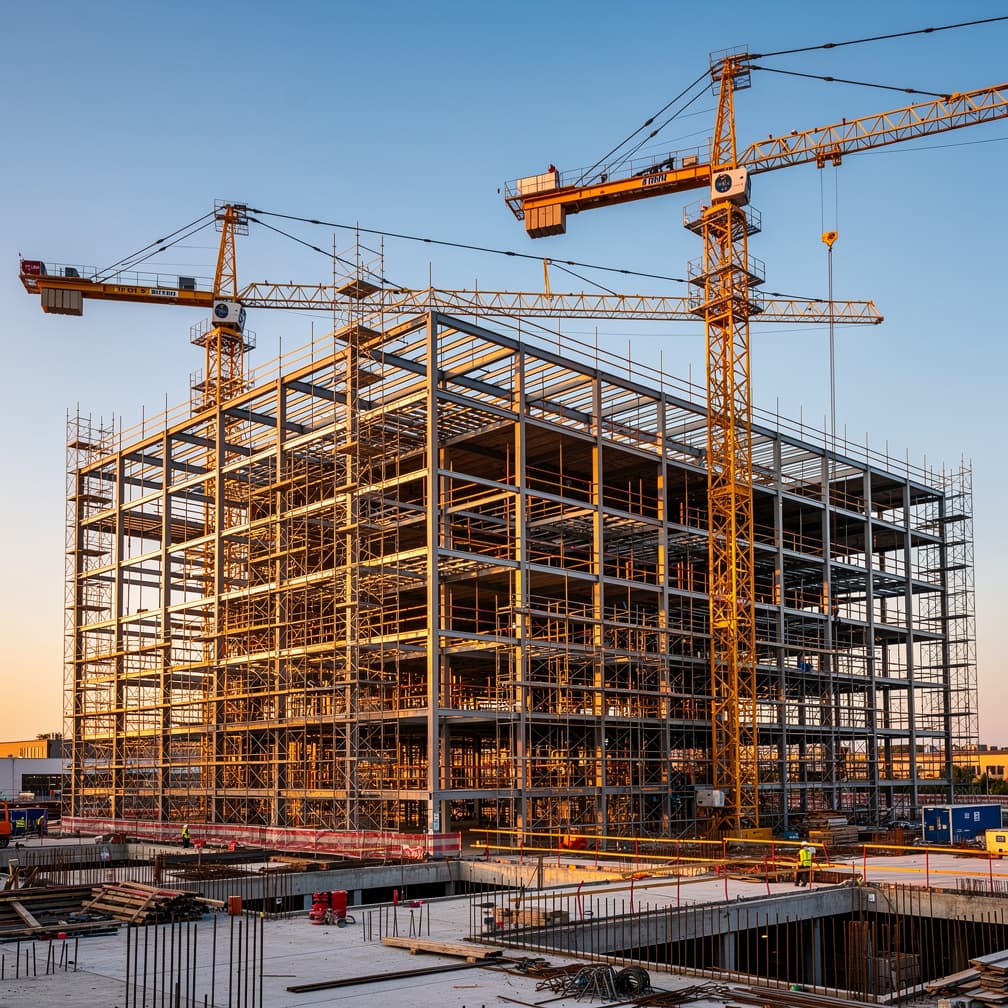
Local job sites often sit in open, fast-changing conditions where a small loss can spread before permanent systems are fully in place. That matters more on projects with temporary roofing, staged materials, incomplete doors or windows, and multiple trades moving through the site between inspections. Here, it is worth asking how the policy handles materials in transit, stored at another location, or waiting to be installed, because project logistics can create gaps long before the building is finished. You should also review who is responsible for site security, debris removal, and temporary protections after a loss. Those details affect whether a claim payment actually helps keep the schedule moving or simply covers part of the physical damage while the job absorbs the delay.
Nevada has a moderate climate risk rating. Top hazards: Wildfire (High), Earthquake (High), Extreme Heat (High), Flash Flooding (Moderate). The state's expected annual loss from natural hazards is $320M, which influences builders risk insurance premiums and may affect coverage availability in high-risk areas.
What Builders Risk Insurance Covers
On a Nevada project, the practical coverage question is not the broad national definition. It is whether the policy matches how the job is staged, stored, and protected from the first delivery through punch work. If you are building in an exposed area, renovating an occupied property, or relying on staggered material deliveries, you should review exactly which property is scheduled, where it is located, and when coverage attaches.
For new construction, that usually means checking whether the policy is written around the full project at the site address, including materials that may become part of the work as installation progresses. For additions and major renovations, you should look closely at the line between existing property and new work. That distinction matters because a loss can affect both, but the form may not treat them the same way unless the policy is structured for the job you are actually doing.
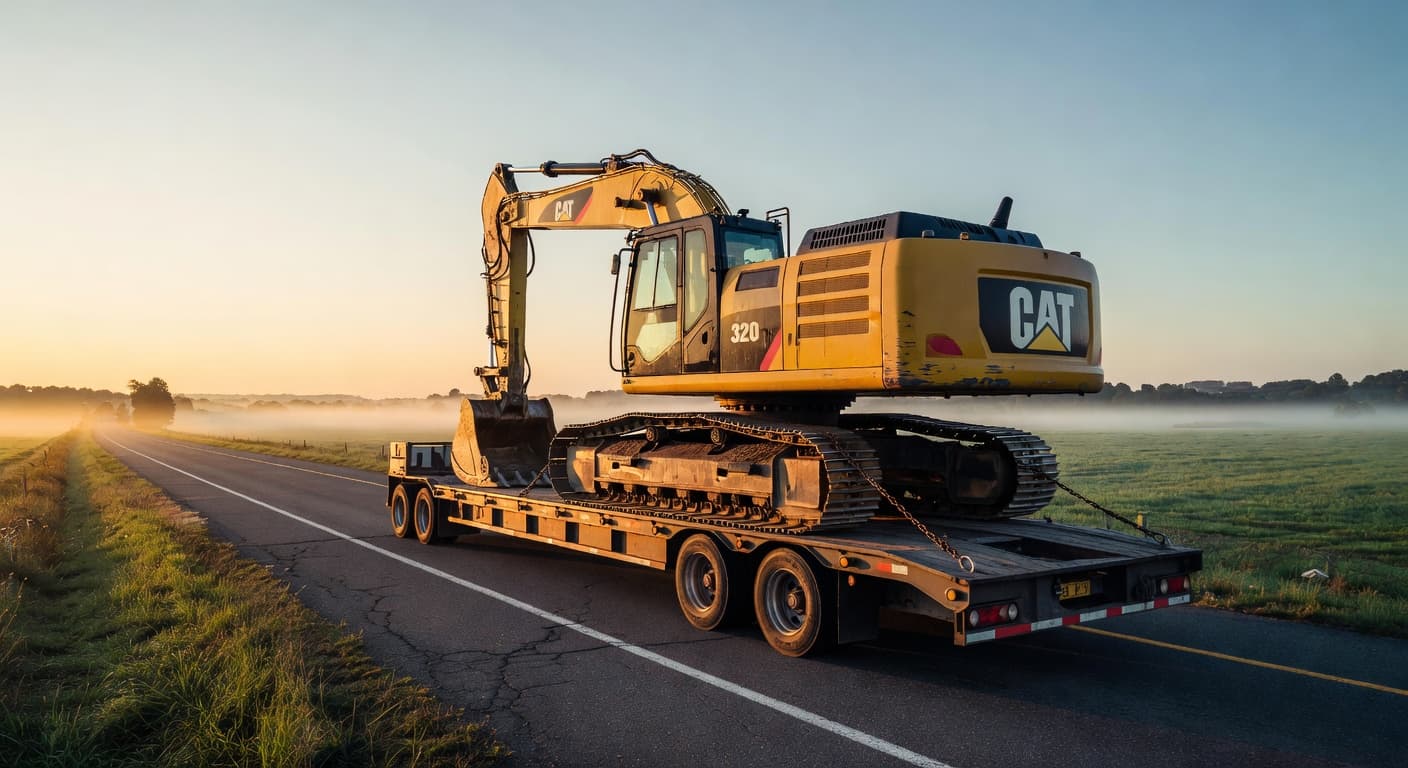
Nevada job sites also raise operational issues that change what you should request. If materials are stored in a yard, warehouse, or temporary location before installation, ask how off-site storage is handled. If equipment, fixtures, or finish materials are delivered early because of supply timing, confirm whether they are covered before they are fully installed. If the project includes owner-supplied items, verify whether those values are included or need to be scheduled separately.
You should also review soft-cost and delay-related options carefully on larger jobs. A covered property loss can push back opening dates, tenant turnover, or financing milestones. That does not mean every policy includes those exposures automatically. It means you should ask for a line-by-line review of what is included, what is excluded, and what conditions apply to theft protection, temporary structures, debris removal, and testing or startup exposures before binding coverage.
Coverage Included

Structure Coverage
Covers the building or structure under construction.

Materials on Site
Covers building materials stored at the construction site.

Materials in Transit
Covers materials being transported to the job site.
Temporary Structures
Covers scaffolding, fencing, and temporary buildings.

Soft Costs
Covers additional expenses from construction delays due to covered losses.
Equipment Coverage
Covers permanently installed fixtures and equipment.
Industries & Insurance Needs in Las Vegas
Clark County business mix changes the kind of projects that show up for review. The county has 53,591 business establishments, and its largest establishment shares are professional, scientific, and technical services at 14.4%, health care and social assistance at 12.5%, and retail trade at 12.1%. So a lot of local construction demand ties back to office build-outs, medical space improvements, and retail tenant work, not only ground-up residential jobs. If your project involves an occupied building, phased turnover, lender draws, or a lease deadline, builders risk terms should be reviewed around partial completion, existing structure exposure, and who carries the insurable interest at each stage. That is usually where a simple quote stops being enough.
What Makes Las Vegas Different
Project value concentration is what changes the calculus here. In this market, even a modest custom build or major remodel can carry a limit that is too large to estimate casually and too important to leave static once upgrades start stacking up. The practical issue is not just buying a policy, it is keeping reported values aligned with the real cost of the work as cabinets, finishes, mechanical upgrades, and owner changes are approved. That is especially important if the project is financed, because the lender, owner, and contractor may each be relying on a different number. In this market, a careful review of completed value, deductible tolerance, and any soft cost exposure usually matters more than chasing a bare minimum premium.
Our Recommendation for Las Vegas
Start with the construction contract and the latest schedule of values, then check whether the named insureds and loss payee language match how the deal is actually structured. For local residential work, ask whether the limit should reflect the completed value rather than the original hard-cost estimate, especially if finishes or scope have moved since permits were pulled. For tenant improvements and medical or retail build-outs, review any existing structure exposure and whether the owner expects coverage to respond before final handoff. It is also smart to ask how the policy treats temporary works, stored materials, and change orders that increase value mid-project. If you are comparing quotes, line up the same deductible, valuation basis, covered property wording, and delay-related options first. That makes the differences easier to judge before you request a free, no-obligation quote.
Get Builders Risk Insurance in Las Vegas
Enter your ZIP code to compare builders risk insurance rates from carriers in Las Vegas, NV.
Business insurance starting at $25/mo
FAQ
Frequently Asked Questions
Las Vegas projects should usually start with the completed value you are trying to protect, not a rough early budget. In a market with higher home values, underreporting value can leave a meaningful gap if finishes, scope, or labor assumptions change during the build.
Las Vegas tenant improvement jobs often need closer review of existing structure exposure, phased completion, and who carries the insurable interest under the lease and contract. That matters most when the space stays partially occupied or turnover dates are tied to rent commencement.
Clark County has 53,591 business establishments, so many projects involve offices, medical space, and retail improvements with lender, landlord, or tenant requirements layered into the job. That is a good reason to review named insureds, loss payees, and completion timing before binding.
Las Vegas owners often balance project cash flow carefully, and the city's median household income is $70,723. A deductible that looks manageable on paper can still strain a remodel budget after a partial loss, so it is worth testing the out-of-pocket amount against your contingency funds.
Nevada projects usually place the purchase obligation on the party carrying the property risk under the contract, often the owner or developer, but sometimes the general contractor. Check the agreement first, then match the policy to every party with a financial interest in the work.
Nevada renovation projects can be insured, but the key issue is how the policy separates existing property from new work. If the building stays occupied during construction, ask for a clear explanation of what property is insured and what conditions apply.
Nevada buyers should compare quotes on identical assumptions: same completed value, same term, same deductible structure, and the same treatment of theft, water damage, and stored materials. That is the only way to tell whether a lower premium reflects pricing or reduced coverage.
Nevada builders risk policies may handle off-site storage differently, so you should ask before materials are purchased. If fixtures, finish materials, or owner-furnished items will sit in a warehouse or yard, confirm whether they are included and under what limits.
Sources
- 1.U.S. Census Bureau, ACS 5-Year Estimates, table B19013(Las Vegas median household income is $70,723.)
- 2.U.S. Census Bureau, County Business Patterns, Clark County(Clark County has 53,591 business establishments.; Clark County's leading establishment shares are professional, scientific, and technical services 14.4%, health care and social assistance 12.5%, and retail trade 12.1%.)
Updated July 5, 2026