Updated July 16, 2026

Key Takeaways
- List every towing and transport service you perform before requesting quotes, so loading, unloading, winching, and recovery exposures are reviewed correctly.
- Compare the on-hook limit, deductible, valuation method, and exclusions side by side instead of choosing a policy on premium alone.
- Ask in writing whether your policy addresses the specific vehicles you tow most often, especially specialty, modified, low-clearance, or higher-value units.
- Use pre-tow photos, condition notes, and signed release procedures on every job to reduce disputes and support claims handling.
- Review on-hook coverage together with auto liability and any garagekeepers coverage before renewal to catch gaps between transport and storage.
On-Hook Towing Insurance in Nevada
Landlords, storage yards, municipal clients, and lender programs often want proof that your insurance can help address damage to customer vehicles while they are attached to your truck or riding your bed. That request usually arrives before a yard agreement is signed, before a vendor packet is approved, or before a contract tow rotation is reviewed. On-hook towing insurance is therefore a practical buying issue, not just a line item on a certificate request.
You need limits, vehicle schedules, and operating details that match the work you actually take. That might mean roadside calls, impounds, dealer transfers, or recovery jobs that put more value in your care at one time. State conditions also make route planning, storage arrangements, and handoff procedures matter. Your quote should be built around how your drivers load, secure, transport, and document each unit. Before you request terms, gather your service mix, truck list, radius, and the highest value vehicles you are willing to tow.
What On-Hook Towing Insurance Covers
Buyers usually approach this coverage by asking a narrower question: at what point does responsibility for the customer vehicle shift to your operation, and how will that be documented if damage is alleged after pickup or before delivery? That matters in a state where many towing businesses handle a mix of roadside dispatches, private property removals, storage-yard transfers, and longer repositioning work between metro areas. Your policy review should focus on the moments where disputes start, not on generic definitions you already know.
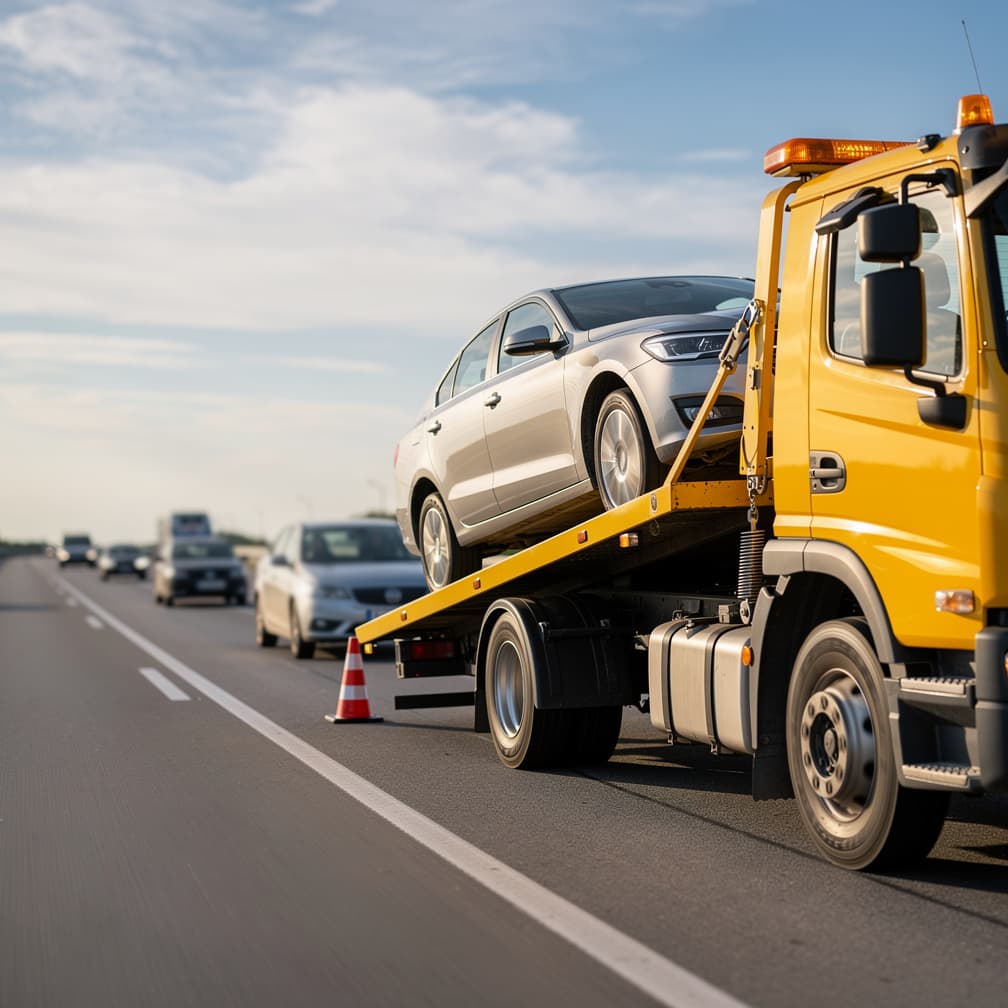
For a towing company, the practical issue is whether your limits and endorsements fit the vehicles and situations you actually accept. A light-duty operator handling commuter vehicles around Las Vegas may face a different exposure pattern than a mixed fleet that also moves pickups, vans, or higher-value units for repair shops and auctions. If you perform impounds or recovery work, ask how your policy may respond when a vehicle already has prior damage, when keys are unavailable, or when loading conditions are poor. Those details often decide whether a claim is straightforward or contested.
You should also review how your insurer expects you to document condition at pickup, securement method, destination handoff, and any delay before release. In Nevada, dry conditions, dust, and long stretches between stops can make post-loss documentation more important because small damage allegations can turn into larger disputes once the vehicle changes hands again. Ask for clear wording on towing methods that may be covered, excluded situations, reporting expectations, and whether your chosen limit is enough for the most expensive vehicle you are willing to move on a routine day.
Collision on Hook
Covers damage to towed vehicles from collisions during transport.
Comprehensive on Hook
Covers theft, fire, and weather damage to vehicles being towed.
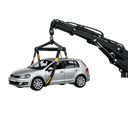
Loading & Unloading
Covers damage during the process of loading and unloading vehicles.
Winching Coverage
Covers damage to vehicles during winching and recovery operations.
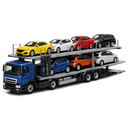
Multiple Vehicle
Covers all vehicles on multi-car carriers and rollback flatbeds.
On-Hook Towing Insurance Requirements in Nevada
- Towing operations often combine roadside calls with impounds, storage transfers, and longer intercity moves, so your policy review should match that service mix instead of assuming one simple tow profile.
- Dry conditions, dust, and long stretches between pickup and delivery can make condition documentation more important, especially when a damage allegation surfaces after the vehicle changes hands again.
- If your work depends on apartment complexes, retail centers, yards, or municipal contracts, expect proof of the right towing-related coverage before access, rotation participation, or vendor approval is finalized.
- An account that occasionally accepts higher-value pickups, vans, or specialty vehicles should revisit on-hook limits before those jobs become routine dispatch work.
How Much Does On-Hook Towing Insurance Cost in Nevada?
A quote is usually built from operational details that change claim severity, not from a one-size-fits-all towing template. Underwriters want to know what kinds of vehicles you move, whether you run flatbeds, wheel-lifts, or a mix, how often you handle impounds or recovery work, and whether your drivers stay inside a tighter service area or take longer transfers across the state. If your operation accepts higher-value pickups, commercial vans, or specialty vehicles, your limit selection becomes a bigger pricing driver because one loss can involve more value in your care at the same time.
Your buying decision should center on where a lower premium could leave you exposed. A quote with a lighter limit may look workable until you consider what happens if a loaded vehicle shifts, a low-clearance unit is damaged during transport, or a dispute arises over condition at delivery. In Nevada, operators often need to think through distance, heat exposure, roadside conditions, and after-hours storage transitions because those factors can complicate claims even when the initial tow seems routine. That does not mean every account needs the same structure. It means the lowest-priced option can be the wrong fit if it assumes a simpler operation than the one you actually run.
To get a usable quote, prepare a clean submission with your truck schedule, driver list, service radius, loss history, and the highest vehicle values you will accept. Also note whether you subcontract overflow work, use storage lots, or perform municipal or property-management towing. The more precisely your operation is described, the more likely your pricing reflects your real exposure instead of conservative assumptions.
Request a Quote Comparison
Enter your ZIP code to compare on-hook towing insurance rates from top carriers.
Business insurance starting at $25/mo
Who Needs On-Hook Towing Insurance?
In Nevada, the businesses that need this review are often broader than the public expects. A dedicated towing company is the obvious example, but many operators take custody of vehicles as part of a larger service model. That can include roadside assistance vendors, repair shops that move customer units between locations, recovery operators, transport businesses with occasional tow exposure, and companies that perform private property or contract towing tied to apartments, retail centers, or storage facilities. If a customer vehicle is attached to your truck or carried by it, you should assume the question may come up during a claim.
The need becomes more urgent when your contracts or referral sources expect proof before sending work. Property managers, auctions, lenders, fleet clients, and public-sector buyers often want evidence that your insurance program can help address damage to vehicles in your care. If you rely on those relationships for dispatch volume, you do not want to discover a gap after a vendor packet is rejected or after a loss occurs on a job you accepted quickly.
Operations should also think about service mix, not just business label. If you mostly do roadside calls but occasionally take impounds, repossessions, or dealer transfers, your exposure still changes with each type of assignment. The same is true if you run one truck most days but add subcontracted or overflow work during busy periods. Review your coverage any time your operation starts taking different vehicle types, longer trips, or more contract work that puts customer property in your custody under tighter documentation standards.
On-Hook Towing Insurance by City in Nevada
On-Hook Towing Insurance rates and coverage options can vary across Nevada. Select your city below for localized information:
How to Buy On-Hook Towing Insurance
Start your purchase process by building a submission that shows how your operation really works on the road and at handoff. List each truck, the towing method it uses, the territory you serve, the kinds of vehicles you will and will not accept, and the highest value unit you expect to move. Then separate your work by type: roadside dispatch, accident recovery, impounds, dealer moves, transport, repossessions, and storage-yard transfers. That breakdown helps an underwriter match limits and terms to actual exposure instead of guessing from a broad towing classification.
Next, gather the documents that support your story. Include loss runs, driver information, photos of equipment, securement procedures, and any intake forms your team uses to record pre-existing damage. If you use mobile photos at pickup and delivery, say so. If you require signed release forms or maintain dispatch logs showing time, location, and condition notes, include that too. In Nevada, clear documentation can matter as much as the limit itself because many disputes turn on whether damage happened during the tow or was already present.
You should also ask direct coverage questions before choosing a quote. Confirm the towing methods that may be covered, the limit available per vehicle, any deductible that applies, and how claims are reported. Ask whether your policy structure still fits if you add contract towing, expand your radius, or begin moving higher-value units. Once quotes are in, compare exclusions and claim-handling expectations line by line, not just the premium.
How to Save on On-Hook Towing Insurance
The most reliable way to lower your towing insurance costs over time is to make your account easier to underwrite and easier to defend after a loss. Begin with intake discipline. Require drivers to photograph each vehicle before hookup, note visible prior damage, record mileage when relevant, and document the exact pickup and drop-off locations. A cleaner file can reduce disputes, and fewer disputed losses usually put you in a stronger position at renewal.
You can also save by narrowing avoidable exposure. If you rarely profit from moving very high-value vehicles, set a clear internal threshold and decline work above it unless your limits are reviewed first. If certain assignments create repeated problems, such as poorly documented after-hours releases or jobs from locations with limited lighting and tight access, change the procedure instead of absorbing the same claim pattern again. Underwriters price recurring operational friction, even when each incident looks small by itself.
Another practical step is to standardize driver training around loading, securement, and handoff. Use the same checklist every time, and make sure subcontracted or overflow operators follow it too if their work can affect your loss history. Keep truck maintenance records organized, especially for equipment that affects loading and transport stability. Finally, shop your coverage before renewal with an updated submission, not last year's application. If your operation has improved documentation, tightened vehicle selection, or reduced claim frequency, your quote should reflect those changes rather than outdated assumptions.
Our Recommendation for Nevada
For buyers, the smartest move is to treat on-hook as an operational coverage decision, not a certificate exercise. Start by setting a written maximum vehicle value your dispatch team can accept without manager approval. That one rule keeps a routine roadside call from turning into a limit problem.
Next, review where claims are most likely to become arguments. In many towing operations, that is not the highway portion of the job. It is pickup in a cramped lot, loading a disabled vehicle with prior damage, or release after hours when the customer is not present. Build your procedures around those moments. Require timestamped photos, condition notes, and a documented handoff every time.
If your business mixes private property towing, roadside work, and dealer or shop transfers, request a quote through CPK Insurance to compare your options with participating licensed providers. A policy that fits one segment well can leave awkward gaps for another if the underwriting assumptions are too narrow. Also revisit your limit any time you add a truck, expand your radius, or start taking heavier or more expensive units. Before binding, compare deductible, exclusions, and claim reporting instructions side by side, then choose the option you can actually operate under on a busy dispatch day.
FAQ
Frequently Asked Questions
Landlords, storage operators, municipal clients, lenders, and contract partners often ask for proof before approving a yard agreement or vendor packet. Bring your truck schedule, service mix, and requested limits to the quote process so the certificate reflects the work you actually accept.
Most start with the highest value vehicle they are willing to move on a normal day, then test that against each truck's assignments. If your dispatch mix changes, review the limit before taking on more expensive or specialized units.
Buyers can use the Nevada Division of Insurance to verify licensing and review consumer guidance while comparing options. That step helps you confirm the company side of the transaction before you bind a policy built around your towing operation.
Underwriters usually want your truck list, driver details, service radius, loss history, towing methods, and the types of vehicles you handle. If you perform impounds, recovery work, or dealer transfers, separate those activities so the quote is built accurately.
Claims often turn on whether damage happened before pickup, during loading, in transit, or at release. Timestamped photos, condition notes, dispatch logs, and signed handoff records give you a stronger file if the customer disputes when the damage occurred.
Yes. If your team attaches, lifts, or transports customer vehicles as part of their service, the coverage question is the same regardless of your business label. What matters is whether a customer's vehicle is in your care.
Revisit coverage as soon as impounds, property-management towing, or contract work becomes a larger share of dispatches. Those assignments can change documentation standards, handoff procedures, and the kinds of disputes that may follow a loss.
On-hook towing insurance may cover damage to a customer vehicle while it is being loaded, attached, carried, winched, or unloaded by your tow truck, depending on the policy terms. Buyers should review collision, fire, theft, weather, and loading-related damage carefully.
Sources
- 1.Nevada Division of Insurance(Nevada's insurance regulator is the Nevada Division of Insurance.)
Updated July 16, 2026