Updated July 16, 2026

Commercial Auto Insurance in Las Vegas
Las Vegas is different. Your commercial auto policy is less about a generic vehicle schedule and more about how your cars, vans, pickups, or service trucks move between dense resort corridors, medical offices, retail centers, and suburban service calls in the same day. Your route pattern, parking conditions, and stop frequency here can change both claim exposure and the paperwork you should have ready before a driver heads out. Clark County has 53,591 business establishments, which means your drivers are sharing tight parking with thousands of other commercial vehicles every day. That volume puts your drivers in customer lots and vendor docks where low-speed backing and door strikes happen. It also means more clients ask for certificates, driver information, and higher liability limits before work begins. If your business uses one vehicle for estimates and another for deliveries, or if employees take company units between appointments across the valley, confirm garaging address, radius, and driver assignments before you request a quote.
Commercial Auto Insurance Risk Factors in Las Vegas
Las Vegas's top risk factors include Wildfire risk, Drought conditions, Power shutoffs, and Air quality events. Las Vegas's crime index of 127 (national avg: 100) increases vehicle theft risk, comprehensive auto coverage is important here.
Nevada has a moderate climate risk rating. Top hazards: Wildfire (High), Earthquake (High), Extreme Heat (High), Flash Flooding (Moderate). The state's expected annual loss from natural hazards is $320M, which influences commercial auto insurance premiums and may affect coverage availability in high-risk areas.
What Commercial Auto Insurance Covers
Commercial auto insurance in Nevada is built around business use, not personal errands. At the core, liability helps address bodily injury and property damage claims if one of your covered vehicles is involved in an accident, and Nevada's minimum liability standard for commercial vehicles applies. That minimum may satisfy registration and compliance needs, but the right limit depends on how much driving your business does and how much exposure you want to carry.
Collision can help with damage to a covered business vehicle after an accident, while comprehensive is the part that matters when a Nevada risk is not a crash, such as wildfire smoke, extreme heat-related damage, theft, or weather-related loss. Coverage options here also include medical payments and uninsured motorist protection, and Nevada requires uninsured and underinsured motorist coverage unless you reject it in writing, so endorsements should be reviewed carefully before you rely on a vehicle for work. This coverage can also be extended for hired and non-owned vehicles when staff drive rented cars or their own for work tasks. That matters in Nevada's small-business market, where many operations rely on flexible driving arrangements. Coverage terms can vary by carrier, so the policy should be checked against your vehicle list, driver list, and how each vehicle is actually used.
Coverage Included

Bodily Injury Liability
Covers injuries you cause to others in an accident

Property Damage Liability
Covers damage you cause to others' property
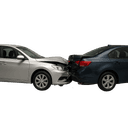
Collision Coverage
Pays for damage to your vehicle in an accident

Comprehensive Coverage
Covers theft, vandalism, weather, and animal damage

Medical Payments
Covers medical costs for your drivers and passengers

Uninsured Motorist
Protection when the other driver lacks insurance

Hired & Non-Owned Auto
Covers rented or employee-owned vehicles used for work
Commercial Auto Insurance Cost in Las Vegas
Average Cost in Nevada
$160 - $450
per month
Businesses in Nevada typically see commercial auto insurance premiums of $160 - $450 per month, which tends to run 11% above the national range of $140 - $410 per month.
- Fleet size and vehicle types
- Driver records and experience
- Coverage limits and deductibles
- Business industry and use
- Annual mileage and operating radius
- Claims history
Rates based on small business averages. Your actual premium may vary.
Prices shown are general estimates, not guaranteed rates or quotes. Your actual premium will depend on the insurer, coverage selected, business details, location, claims history, and other underwriting factors. Learn about our pricing methodology.
Several factors push pricing up or down in Nevada. Fleet size and vehicle types matter, especially if you operate heavier vehicles. Driver records and experience also matter because common crash causes such as failure to yield, drowsy driving, and distracted driving can affect how carriers view your operation. Coverage limits and deductibles affect the final premium, and annual mileage plus operating radius are especially relevant if your vehicles run long routes between Clark County, Washoe County, Carson City, and rural areas. Claims history is another major factor, and businesses in higher-risk industries may see different pricing than office-based operations.
Nevada's market is competitive, so there is room to shop around. That competition can help with quote shopping, but it does not replace the need to compare coverage details, endorsements, and deductibles side by side. A commercial auto quote should be evaluated on both price and how well the policy matches your vehicle use.
Industries & Insurance Needs in Las Vegas
Clark County business mix is the local clue to how vehicles are actually used here. Professional, scientific, and technical services account for 14.4% of establishments, health care and social assistance 12.5%, and retail trade 12.1%, so a lot of commercial auto demand comes from appointment-driven service businesses, mobile staff, and frequent short-trip retail movement rather than only heavy fleet operations. That matters because insurers usually want the real use class, not a broad guess. A consultant's sedan making daily client visits, a home health vehicle carrying staff between stops, and a retail pickup handling store transfers can land in very different underwriting conversations even if the vehicles look similar on paper. If your operation touches more than one of those patterns, ask to review vehicle use, driver schedules, territories, and whether any personal vehicles are used for business errands.
What Makes Las Vegas Different
Business concentration changes the calculus here. In a market built around constant movement, your policy has to match frequent stops, shared parking, and mixed-use driving days, not just highway mileage. Even a small service fleet can spend most of its week entering private lots and loading zones where minor collision frequency often matters as much as a major loss scenario. That is why local buyers should focus on who drives each unit, where vehicles are parked overnight, whether tools or inventory stay in the vehicle, and how often employees use their own cars for company tasks. If your current policy was built around occasional business use but your team now runs estimates, deliveries, or site visits all day, ask for a fresh classification review before renewal instead of waiting for a claim dispute.
Our Recommendation for Las Vegas
Build your quote around the way your vehicles actually move. If one vehicle stays with an owner and another rotates among employees, list that clearly, because driver assignment affects how an underwriter reads the account. If staff visit clients, patients, or job sites throughout the valley, look at hired and non-owned auto exposure alongside the scheduled vehicles, especially if anyone ever uses a personal car for errands or appointments. Confirm garaging addresses are current and vehicles are separated by use rather than grouped under one vague description. A service van carrying equipment, a sales sedan, and a pickup used for store runs may need different treatment. Before you buy, pull together your driver lists, VINs, typical radius, parking details, and any contract insurance requirements clients have already sent you. That preparation produces a more accurate quote and lets you compare limit options on equal footing.
Get Commercial Auto Insurance in Las Vegas
Enter your ZIP code to compare commercial auto insurance rates from carriers in Las Vegas, NV.
Business insurance starting at $25/mo
FAQ
Frequently Asked Questions
Often, yes. Even one company car can be used for client visits or deliveries across a dense commercial area. Parking lot and premises-related driving exposure is hard to ignore when your day includes repeated stops at customer locations.
Usually, yes. Disclose every regular driver and explain whether vehicles are assigned or shared. In a market with frequent appointments across offices and customer locations, clear driver information helps avoid classification problems during underwriting or after a claim.
It does. Business concentration means more stops, more private-lot driving, and more interaction with customer premises. You should review use class, garaging, and driver assignments carefully before you compare quotes.
Often, yes. In Clark County, professional, scientific, and technical services make up 14.4% of establishments, health care and social assistance 12.5%, and retail trade 12.1%. Those industry splits mean a sedan used by a consulting firm and a van used by a retailer may land in different rate classes even if the vehicles look similar on paper.
In Nevada, it may help cover liability for bodily injury and property damage, collision for covered vehicle damage after an accident, comprehensive for theft or weather-related loss, medical payments, and uninsured/underinsured motorist protection, depending on your policy terms. It can also extend to hired and non-owned vehicles if the right endorsements are added.
Pricing varies based on vehicle type, driver records, mileage, operating radius, limits, deductibles, industry, and claims history. Nevada's above-average premium index suggests you may pay more than the national average, so requesting a personalized quote is the best way to find your actual rate.
Any Nevada business that uses a vehicle for work should review company car insurance, including businesses with one sedan, multiple vans, pickups, or a full fleet. It is especially relevant for small businesses that send employees to client sites, deliveries, or job locations.
Nevada requires minimum liability of $25,000/$50,000/$20,000 for commercial vehicles, and commercial vehicles must be registered with the Nevada DMV. The state also requires uninsured/underinsured motorist coverage unless you reject it in writing, so it should be checked during quoting.
Sources
- 1.U.S. Census Bureau, County Business Patterns, Clark County(In Clark County, there are 53,591 business establishments, so your drivers are more likely to be pulling into customer lots, vendor docks, office parks, and shared commercial parking areas where low-speed backing, door strikes, and tight access claims start.; Professional, scientific, and technical services account for 14.4% of establishments, health care and social assistance 12.5%, and retail trade 12.1%, so a lot of commercial auto demand comes from appointment-driven service businesses, mobile staff, and frequent short-trip retail movement rather than only heavy fleet operations.)
Updated July 16, 2026