








































Updated July 5, 2026

Commercial Truck Insurance in Las Vegas
A tighter local market changes how you shop. Fewer agents regularly place trucking risks here, and the ones who do usually want clean operating details up front: garaging address, radius, commodity, driver files, and current loss runs before they spend time marketing your account. If you are comparing commercial truck insurance in Las Vegas, that means preparation matters more than broad online shopping. You usually get a better review when your submission shows exactly where units park, whether you run local delivery or regional lanes, and how often drivers move between warehouse districts, retail stops, and medical facilities across the valley. Clark County has a large business base, so certificates, additional insured requests, and contract insurance language come up often before a load, service agreement, or site access is approved. Bring your MCS-90 status, trailer details, and any shipper requirements into the quote conversation early. That helps you compare policies on dispatch reality, not just on a headline premium.
Commercial Truck Insurance Risk Factors in Las Vegas
Las Vegas's top risk factors include Wildfire risk, Drought conditions, Power shutoffs, and Air quality events.
Nevada has a moderate climate risk rating. Top hazards: Wildfire (High), Earthquake (High), Extreme Heat (High), Flash Flooding (Moderate). The state's expected annual loss from natural hazards is $320M, which influences commercial truck insurance premiums and may affect coverage availability in high-risk areas.
What Commercial Truck Insurance Covers
Commercial truck insurance in Nevada is built around the coverages most trucking operations actually need. These typically include motor carrier liability, physical damage, cargo coverage, trailer interchange, bobtail coverage, and non-trucking liability. In Nevada, those coverages sit on top of the state's commercial auto minimums, while federal freight rules may require higher liability limits depending on what you haul. General freight carriers are commonly tied to the federal $750,000 liability minimum, and hazardous materials can require much more. Your final limit should reflect the load type, shipper requirements, and route exposure.
Motor carrier liability is the core protection for third-party injury or damage from trucking operations. Physical damage coverage may help pay for repair or replacement after a collision or other covered loss. Cargo coverage is important if you move freight through high-traffic corridors or across long desert routes where delays, theft, or transit damage can create exposure. Trailer interchange applies when you use non-owned trailers under agreement. Bobtail or non-trucking liability is relevant when the truck is operating without a trailer or outside dispatch. Nevada-specific underwriting may also pay attention to wildfire, extreme heat, and flash-flood conditions because those hazards can affect storage, routing, and loss potential. Coverage details vary by carrier, but the policy should be matched to your freight, equipment, and operating radius.
Coverage Included

Motor Carrier Liability
Can help cover injuries and property damage your truck causes to others, a coverage federal regulators require most for-hire carriers to maintain.
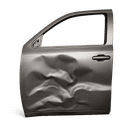
Physical Damage
Can help pay to repair or replace your own truck after an accident, fire, theft, or vandalism.
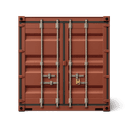
Cargo Coverage
May pay for damage to or theft of the freight you are hauling while it is in your care.
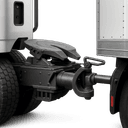
Trailer Interchange
Can help cover damage to trailers you haul under an interchange agreement but do not own.

Bobtail Coverage
May provide liability protection when you drive your tractor without a trailer attached, such as after dropping off a load.

Non-Trucking Liability
Can help cover accidents that happen when you use your truck for personal errands rather than dispatched work.
Commercial Truck Insurance Cost in Las Vegas
Average Cost in Nevada
$390 - $1,125
per month
Businesses in Nevada typically see commercial truck insurance premiums of $390 - $1,125 per month, which tends to run 1% below the national range of $400 - $1,125 per month.
- Radius of operation
- Commodities hauled and cargo value
- Number and value of power units
- Driver motor vehicle records and CDL experience
- DOT safety record, inspections, and FMCSA scores
- Liability limits and physical damage deductibles
Contact CPK Insurance for a personalized quote.
Prices shown are general estimates, not guaranteed rates or quotes. Your actual premium will depend on the insurer, coverage selected, business details, location, claims history, and other underwriting factors. Learn about our pricing methodology.
Local pricing can land above the national baseline. Several Nevada factors can push a quote up or down, including coverage limits and deductibles, claims history, location, industry or risk profile, and policy endorsements. A truck based near Las Vegas, Reno, or other high-traffic areas may price differently than a unit running lower-density routes, especially if the carrier weighs congestion, theft exposure, or roadside loss history.
Nevada's climate and loss environment also play a role. Wildfire, earthquake, and extreme heat risks are all rated high, while flash flooding is moderate. Those conditions can influence how insurers view storage, routing, and physical damage exposure. The state's 2023 fatal crash rate of 1.38 per hundred million vehicle miles traveled means carriers price Nevada highway liability with real crash severity in mind, which can push liability premiums higher than in states with lower crash rates. The uninsured driver rate of 10.2 percent also helps explain why liability planning is important for trucking operations that spend time on busy highways. Because many active insurers compete in the state, quotes can vary widely by carrier appetite, truck type, and operating authority. A personalized quote is the only reliable way to compare your actual premium.
Industries & Insurance Needs in Las Vegas
County customer mix is the local demand signal. In Clark County, the leading sectors by establishment share are professional, scientific, and technical services at 14.4%, health care and social assistance at 12.5%, and retail trade at 12.1%. That mix matters because it often points to service vehicles, time-sensitive deliveries, medical-related transport, retail replenishment, and frequent certificate requests rather than one uniform trucking profile. If your operation serves clinics, retail locations, or business clients with strict vendor paperwork, ask for a quote built around stop frequency, loading patterns, after-hours parking, and hired or non-owned auto exposure where it applies. A policy review should match the contracts and premises you actually enter, not just the truck class on the declaration page.
What Makes Las Vegas Different
Submission quality is what changes the calculus here. In a market where many trucking risks are reviewed by a relatively small set of local specialists, the account that gets traction is usually the one that arrives organized. That is especially true in a broad county economy where different customers ask for different proof of coverage, waiver wording, and certificate turnaround times. If you haul for retailers, deliver to health care sites, or support business service firms, the insurance question is not only whether you have liability. It is whether your policy structure and documents fit the contracts you sign and the places your drivers enter. Treat the quote process like an underwriting file: list garaging, unit schedules, driver experience, commodities, radius, trailer interchange needs, and any certificate requirements before renewal shopping starts.
Our Recommendation for Las Vegas
Start with your operating footprint, not your current premium. Map where each truck is garaged, who drives it, what it hauls, and which customers require certificates or additional insured status. If a unit mainly handles local retail or facility deliveries, say that clearly instead of letting an application imply broader freight exposure than you actually have. If you serve higher-income residential areas, note the delivery environment and parking realities because property damage allegations can develop from tight access and repeated stops. Las Vegas has a median household income of $70,723, so some routes may involve homes, vehicles, and neighborhoods where claim severity concerns deserve a careful deductible and physical damage discussion. Before you request quotes, gather loss runs, driver MVR review practices, maintenance records, and any shipper contract language. Then compare exclusions, filing support, and certificate responsiveness alongside price.
Get Commercial Truck Insurance in Las Vegas
Enter your ZIP code to compare commercial truck insurance rates from carriers in Las Vegas, NV.
Business insurance starting at $25/mo
FAQ
Frequently Asked Questions
Las Vegas trucking submissions move better when you provide garaging, driver lists, unit schedules, radius, commodities, and loss runs at the start. A tighter local market often rewards complete underwriting files, especially when customers ask for certificates before work begins.
Clark County has 53,591 business establishments, so many trucking accounts run into contract insurance requirements early. That makes certificate turnaround, additional insured wording, and evidence of the right limits part of the buying decision, not just an afterthought.
Las Vegas area trucking demand is shaped by Clark County sectors such as professional services, health care, and retail. That mix can point to frequent stops, service-oriented routes, and customer paperwork needs, so ask for coverage that matches how your trucks actually operate.
Las Vegas routes often involve repeated stops, parking exposure, and customer property access, so physical damage and deductible choices deserve a practical review. Match them to where units are stored, how often they are unattended, and the value of the equipment.
Nevada insurance oversight runs through the Nevada Division of Insurance. If you are comparing policies locally, use that as a reminder to review filings, endorsements, and complaint handling carefully before you bind coverage.
It can be built around motor carrier liability, physical damage, cargo coverage, trailer interchange, bobtail coverage, and non-trucking liability, depending on whether you run long haul, regional, or local routes in Nevada.
Nevada's commercial auto minimums are $25,000/$50,000/$20,000, but trucking limits may need to be higher based on freight contracts, federal rules, and the way your operation is structured.
Your actual quote depends on limits, deductibles, claims history, location, risk profile, and endorsements, and Nevada's higher premium index can also affect pricing.
Sources
- 1.U.S. Census Bureau, County Business Patterns, Clark County(In Clark County, the leading sectors by establishment share are professional, scientific, and technical services at 14.4%, health care and social assistance at 12.5%, and retail trade at 12.1%.; Clark County has 53,591 business establishments, so many trucking accounts run into contract insurance requirements early.)
- 2.U.S. Census Bureau, ACS 5-Year Estimates, table B19013(Las Vegas has a median household income of $70,723, so some routes may involve homes, vehicles, and neighborhoods where claim severity concerns deserve a careful deductible and physical damage discussion.)
- 3.Nevada Division of Insurance(Nevada insurance oversight runs through the Nevada Division of Insurance.)
Updated July 5, 2026





