








































Updated July 16, 2026

Builders Risk Insurance in Concord
Concord's median home value sits at $323,700, so residential projects here can carry more insured value than a bare framing budget suggests. Your insured amount deserves a tighter review than a buyer might apply in a lower-value part of the state. If your project budget trails the real rebuild target, a partial loss can turn into an out-of-pocket funding problem while the job is still open. Custom homes, substantial additions, and higher-end remodels are especially sensitive on this front, because cabinets, windows, mechanicals, and stored materials can shift the insured value in a hurry. Local buyers also tend to be financially invested in the project itself, not just the structure. With a median household income of $83,701, owners in this market often have room in the budget for upgraded finishes and phased improvements, which means the gap between your original estimate and your actual scope can widen faster than you expect. Your policy schedule should keep up with what is actually being installed. Before binding, line up the contract sum, soft cost needs, temporary storage locations, and the point when materials become your responsibility. Then ask for a quote built around the current scope rather than the original estimate.
Builders Risk Insurance Risk Factors in Concord
Concord's top risk factors include Winter storm damage, Ice dam damage, Frozen pipe bursts, and Snow load collapse.
New Hampshire has a low climate risk rating. Top hazards: Winter Storm (High), Nor'easter (Moderate), Flooding (Moderate), Wildfire (Low). The state's expected annual loss from natural hazards is $120M, which influences builders risk insurance premiums and may affect coverage availability in high-risk areas.
What Builders Risk Insurance Covers
A policy may need to address materials at the site, items in temporary storage, and property in transit if your schedule depends on staged deliveries or long lead items arriving in sequence. That matters on projects where weather, access, or subcontractor timing can leave valuable materials waiting to be installed.
You should also look closely at soft cost and delay-related options when the financing structure makes timing important. If a covered loss pushes back completion, the real problem is often not just replacing damaged work, but dealing with extra interest, additional carrying costs, or postponed occupancy. For example, a six month delay on a financed commercial build can add tens of thousands in interest and lost rental income. Those items are not automatic in every form, so they need to be reviewed against the contract and budget.
Renovation work deserves extra attention because the existing building, occupied areas, and new construction often share the same site. In that setting, you want the quote to distinguish between the portion under construction and property that belongs under another policy. That helps avoid assumptions about what policy responds first after a loss.
Temporary works and site security details also affect how the coverage should be structured. Fencing, scaffolding, construction forms, and similar jobsite property may be handled differently depending on policy terms. If your project uses specialty materials or equipment that arrives well before installation, ask for those exposures to be addressed directly in the quote request instead of assuming they are picked up automatically.
Coverage Included

Structure Coverage
Covers the building or structure under construction.

Materials on Site
Covers building materials stored at the construction site.

Materials in Transit
Covers materials being transported to the job site.
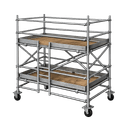
Temporary Structures
Covers scaffolding, fencing, and temporary buildings.

Soft Costs
Covers additional expenses from construction delays due to covered losses.

Equipment Coverage
Covers permanently installed fixtures and equipment.
Industries & Insurance Needs in Concord
Merrimack County’s business mix changes the buying conversation because construction is a large share of local commercial activity. County Business Patterns shows 4,249 business establishments in the county, with construction at 13.2%, retail trade at 13%, and other services at 12.7%. So projects here often involve a dense chain of local trades, suppliers, and service vendors touching the site before completion. For a builders risk buyer, that means the practical review is not just the structure value. You should also check who is delivering materials, where they are stored before installation, whether tenant improvements rely on retail fixtures or specialized equipment, and which parties need to be recognized in the policy or certificate package. On a renovation or fit-out, that county mix can translate into more handoffs and more opportunities for a gap between contract responsibility and insurance responsibility. Ask for the quote to follow the actual flow of materials and subcontracted work, not a generic new-build template.
What Makes Concord Different
Finishes, owner upgrades, and staged work tend to evolve over the life of the project, and that movement is exactly what makes valuation worth revisiting at regular intervals. Because residential work here can carry more insured value than a bare framing budget suggests, especially once kitchens, baths, flooring, and mechanical replacements are included, the original estimate can fall behind quickly. If you are renovating rather than building from the ground up, that gap matters even more, because existing structure, new materials, and labor are all in motion simultaneously. A policy that starts with an early estimate and never gets revisited can leave you underinsured at the point when the most expensive components arrive. Reviewing your insured amount at each major draw is the practical way to stay ahead of that risk. When you do, confirm whether debris removal or soft costs need to be scheduled and update the policy when the scope changes instead of waiting for renewal.
Our Recommendation for Concord
A good starting point is the construction contract paired with the latest budget, tested against the actual way the job is unfolding on site. If you are the owner, ask whether the insured value reflects the finished project or only hard construction cost. That question becomes important the moment higher-end finishes or owner-purchased materials enter the picture, because those items can push the real rebuild number well past a framing-only estimate. If you are a contractor helping the owner coordinate coverage, verify who is responsible for materials in temporary storage and who needs to appear on certificates before work starts. On a commercial fit-out, review whether fixtures, equipment, and tenant improvements are part of the valuation or handled elsewhere. If the project is financed, compare the lender's insurance requirements with the policy draft before the first draw request, not after a document is rejected. The New Hampshire Insurance Department is the state regulator to reference if a wording question turns into a compliance issue. Resolving named insureds, valuation, and term length before binding saves time and prevents rework.
Get Builders Risk Insurance in Concord
Enter your ZIP code to compare builders risk insurance rates from carriers in Concord, NH.
Business insurance starting at $25/mo
FAQ
Frequently Asked Questions
Concord projects often need closer valuation review because the city's median home value is $323,700, which puts residential rebuild targets high enough that an early construction estimate can fall short of the real finished cost. That makes it worth checking whether your insured amount follows the actual scope as it grows instead of that early estimate.
Renovation work should usually trigger a policy review after meaningful change orders. As finishes, mechanical upgrades, or added scope raise the completed value, the original insured amount may no longer match the project you are actually building.
Merrimack County has 4,249 business establishments, and construction accounts for 13.2% of them, which means subcontractors and suppliers are often juggling multiple Concord-area jobs at the same time. Your policy should match how materials and subcontractors move through the job under those conditions.
Homeowners should compare the contract sum, completed value, and any owner-purchased materials before binding. With median household income at $83,701, some projects include upgraded finishes or phased improvements that can outgrow the first budget quickly, so the insured amount you start with may not be the one you need three months in.
Commercial fit-out applications often miss the operational details rather than the form itself. If retail fixtures, specialized equipment, or off-site stored materials are part of the job, make sure the application and valuation approach reflect those items before the certificate is issued.
Lenders, property owners, and landlords commonly ask for proof before draws, lease approvals, or site access move forward. They usually want the certificate to match the contract, project address, and named insured details so there is no confusion later.
Renovation projects often deserve a separate review because the existing structure, occupied areas, and new work can involve different policies. You should clarify which property is insured where before work starts, especially if the building stays in use during construction.
Lenders often require proof that lines up with loan documents and draw conditions. If the certificate wording, named interests, or project dates do not match the financing file, funding can be slowed while corrections are made.
Sources
- 1.U.S. Census Bureau, ACS 5-Year Estimates, table B25077(Concord’s median home value is $323,700.)
- 2.U.S. Census Bureau, ACS 5-Year Estimates, table B19013(Concord’s median household income is $83,701.)
- 3.U.S. Census Bureau, County Business Patterns, Merrimack County(Merrimack County has 4,249 business establishments.; In Merrimack County, construction accounts for 13.2% of establishments, retail trade 13%, and other services 12.7%.)
- 4.New Hampshire Insurance Department(The state regulator is the New Hampshire Insurance Department.)
Updated July 16, 2026





