Updated July 16, 2026

Car Insurance in Concord
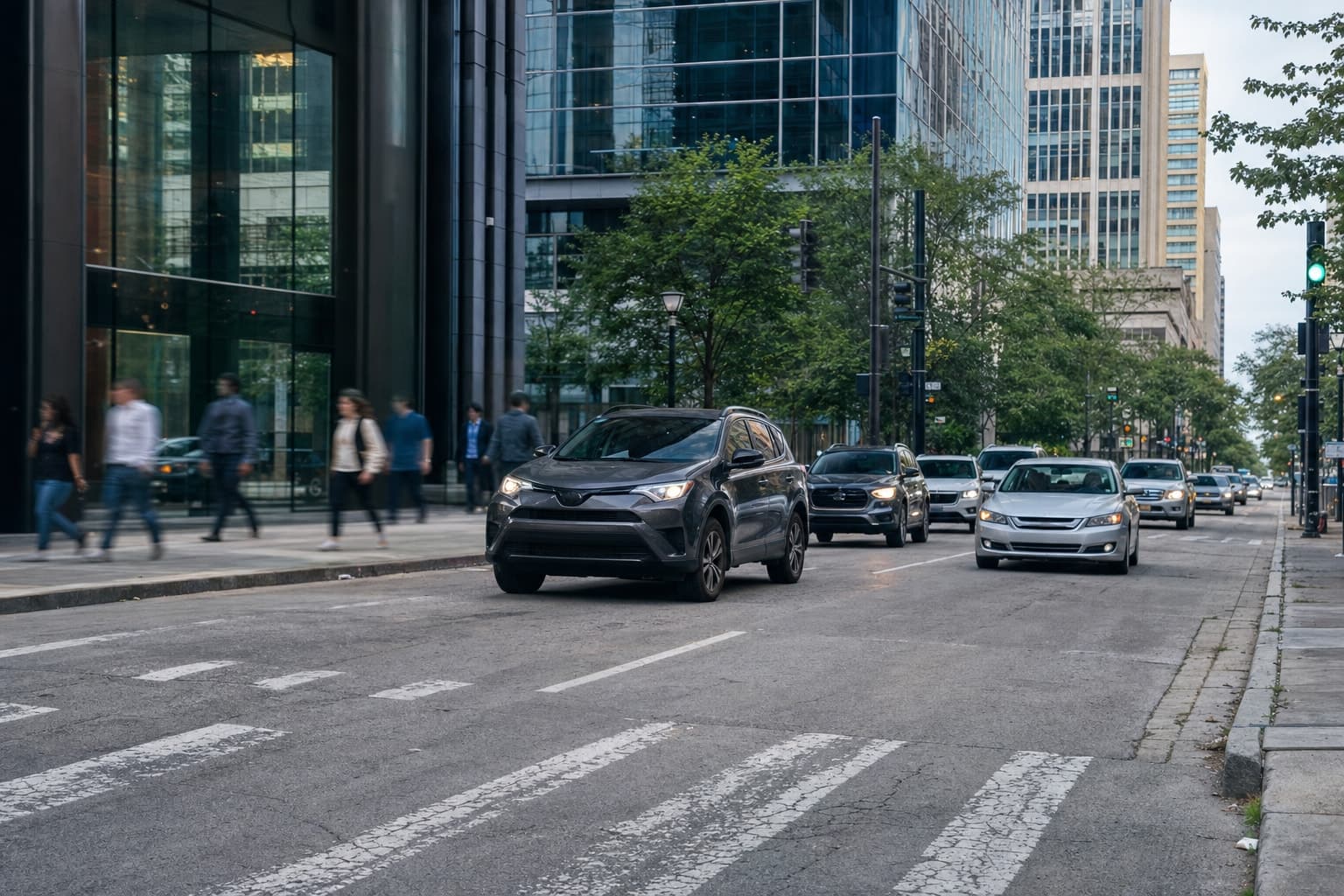
A local auto policy review starts with how you actually use your car here. Weekday trips between downtown offices, school pickups, errands along Loudon Road, and regular merges onto I-93 for work or shopping outside the city all shape your risk profile. Your policy should be reviewed around that pattern, because a vehicle used for short in-town runs faces a different claim profile than one that spends most of the week on commuter corridors and parking lots. If your household keeps more than one driver on the policy, it also helps to look closely at who uses which vehicle most often, where each car is usually parked, and whether your deductible still fits your cash flow after a loss.
Concord households report a median household income of $83,701, which means a typical family taking home about $1,600 a week could face a real squeeze if a $1,000 deductible hits the same month as a heating bill or car payment. Before you renew, take a few minutes to write down your daily routes, where the car sleeps at night, who drives it most, and what your lender or lease company requires. That way the quote you compare reflects how the car actually lives, not a generic assumption.
New Hampshire has a low climate risk rating. Top hazards: Winter Storm (High), Nor'easter (Moderate), Flooding (Moderate), Wildfire (Low). The state's expected annual loss from natural hazards is $120M, which influences car insurance premiums and may affect coverage availability in high-risk areas.
What Car Insurance Covers
A New Hampshire car insurance policy is built around the coverages you choose, and the local market gives you a real range of carriers and price points to compare. Liability can help cover injuries and damage you cause to others in an auto accident. Collision helps with repairs to your own vehicle after a crash, while comprehensive applies to non-collision losses such as theft, weather, and other covered events. That matters here because winter storm and nor'easter exposure is not theoretical. The state has a documented history of severe weather, so drivers in places like Concord, Nashua, and Portsmouth often look closely at comprehensive deductibles. Uninsured motorist protection is also important because roughly 6 out of every 100 drivers in the state lack insurance, which can affect how you think about protection after an accident with a driver who cannot pay. Medical payments can help with covered medical expenses after a crash, and rental reimbursement may help keep you mobile while your vehicle is being repaired.
A policy that works for a Manchester commuter may not be the right fit for a driver in a coastal or flood-prone area. State rules and carrier underwriting can vary, so review the policy language carefully before you bind coverage.
Coverage Included

Liability
Can help pay for injuries and property damage you cause to others in an accident, coverage most states require drivers to carry.

Collision
Can help pay to repair or replace your car after a crash with another vehicle or object, regardless of fault.

Comprehensive
Typically covers damage to your car from events other than collisions, such as theft, hail, fire, flooding, or hitting an animal.

Uninsured Motorist
May pay for your injuries and, in some states, car damage when an at-fault driver has no insurance or too little.

Medical Payments
Can help cover medical bills for you and your passengers after an accident, no matter who was at fault.
Rental Reimbursement
May pay for a rental car while your vehicle is in the shop for repairs after a covered claim.
Car Insurance Cost in Concord
Average Cost in New Hampshire
$70 - $170
per month
In New Hampshire, car insurance premiums typically run $70 - $170 per month, which tends to run 29% below the national range of $110 - $230 per month.
- Driving record and age
- Vehicle make, model, and year
- Location and commute distance
- Credit-based insurance score
- Coverage limits and deductibles
Contact CPK Insurance for a personalized quote.
Prices shown are general estimates, not guaranteed rates or quotes. Your actual premium will depend on the insurer, coverage selected, personal details, location, claims history, and other underwriting factors. Learn about our pricing methodology.
The stated average range for car insurance in New Hampshire is $70 to $170 per month. The state's premium index means pricing is just slightly above the national average rather than dramatically higher or lower, so your final premium is usually driven more by your own profile and coverage choices than by the state alone. Coverage limits and deductibles are major pricing levers, and so are claims history, location, and policy endorsements. A driver in downtown Manchester or Nashua may see different pricing pressure than someone in a smaller community because local traffic, theft exposure, and commuting patterns differ. Winter weather and storm history can also influence how insurers evaluate risk.
The carrier field gives you room to compare quotes from multiple insurers. If you accept a higher deductible, your monthly cost may move lower. New Hampshire's 2023 average claim cost of $21,095 refers to the typical payout per collision claim, and alongside 28,000 total crashes, it tells you why even moderate-seeming accidents can push well past five figures in repair and medical costs. Many drivers compare their monthly premium against the out-of-pocket risk created by their deductible. The most accurate price comes from a personalized quote, because vehicle make and model, annual mileage, and your claims record can change the number significantly.
What Makes Concord Different
As the state capital, Concord mixes downtown parking, government and office traffic, and frequent highway travel into a single week for many drivers. That combination means more time in stop-and-go conditions and public lots than a purely residential pattern would produce.
Merrimack County has 4,249 business establishments, which means on any given weekday you are likely threading through crowded lots and slow-moving traffic near commercial clusters more often than a driver in a purely residential town. The county is led by construction at 13.2%, retail trade at 13%, and other services at 12.7% of establishments, so work trucks making deliveries and customer vehicles filling retail lots create a daily mix of large and small vehicles sharing tight parking areas. Where you park and how much time your car spends in those lots can help you weigh whether comprehensive and collision deductibles fit your actual exposure.
Our Recommendation for Concord
A financed car or a daily commuter that cannot sit idle for a week deserves a closer look at collision and comprehensive deductibles than a weekend vehicle that can wait for repairs. The same goes for rental reimbursement and roadside assistance. Think through your typical weekly mileage, where the car sits during work hours, and whether a rental car would keep your routine running if yours were in the shop.
If one car handles most commuting and another is mainly for local errands, you may want to request quotes that assign primary use and drivers accurately rather than assuming both vehicles are used the same way. Street parking, shared lots, and busy downtown areas during the workday each carry different risks, so it helps to think about what you could comfortably pay out of pocket if your car were damaged in a lot or while parked.
If your budget is tight, raising a deductible can lower your premium, but the math only works in your favor if you can actually write that check without putting off a repair you need. It is also worth checking whether rental reimbursement makes sense for your schedule, especially if missing a car for several days would disrupt work or school logistics. Before you buy, compare the declarations page line by line, confirm any lender requirements, and ask how each quote treats household drivers, mileage, and garaging.
Get Car Insurance in Concord
Enter your ZIP code to compare car insurance rates from carriers in Concord, NH.
Car insurance starting at $59/mo
FAQ
Frequently Asked Questions
Start with the basics that shape every other decision: how many miles you drive each week, where the car parks during the day, who drives it most often, and what your loan or lease requires. Those details drive which deductible and physical damage options make practical sense for your household.
Concord's median household income of $83,701 translates to roughly $1,600 a week take-home for a typical family, so a $1,000 deductible could eat most of a single paycheck. **Pick an amount you could realistically pay within a few days of a covered loss**, not one that looks good on a quote but forces you to delay repairs.
With 4,249 business establishments across Merrimack County, your daily errands and commute likely put you in shared lots and stop-and-go traffic near commercial clusters several times a week. That kind of routine means more chances for minor dents, parking lot scrapes, and low-speed collisions than a driver in a quieter residential area might face.
Construction, retail, and other services make up roughly 39% of county establishments combined, which means service trucks, delivery vehicles, and customer cars regularly share the same parking areas throughout the day. **Larger work vehicles in tight retail lots create more opportunities for damage to parked cars**, so it may be worth weighing your comprehensive deductible against how often your vehicle sits in those spaces. If you would like to explore your options, **request a quote through CPK Insurance** and we can help match you with participating licensed providers.
A commuter in the state's major cities should start with liability, collision, and comprehensive coverage, then add uninsured motorist and medical payments if the quote fits the budget.
Because winter storm and nor'easter exposure are part of the state's risk profile, many drivers review comprehensive coverage and choose deductibles they can afford if weather causes a claim.
Roughly 6 out of every 100 drivers in the state lack insurance, so this coverage can be an important layer of protection after an auto accident with a driver who lacks enough insurance to pay for the damage.
Coverage limits, deductibles, claims history, location, and policy endorsements are the biggest pricing factors, and your vehicle, mileage, and driving record also affect the quote.
Sources
- 1.U.S. Census Bureau, ACS 5-Year Estimates, table B19013(Concord households report a median household income of $83,701, so many drivers are balancing the cost of replacing or repairing a newer vehicle against the risk of carrying a deductible that feels manageable on paper but strains savings after an accident.)
- 2.U.S. Census Bureau, County Business Patterns, Merrimack County(Merrimack County has 4,249 business establishments, so many local trips involve office visits, retail stops, service appointments, and commuting between commercial areas.; Merrimack County is led by construction at 13.2%, retail trade at 13%, and other services at 12.7% of establishments, so roads and lots often see a mix of customer traffic, service vehicles, and workday turnover.)
Updated July 16, 2026