
Updated July 5, 2026

Homeowners Insurance in Concord
A smaller local market changes how you shop. You may see fewer carrier appetites for older housing stock, tighter underwriting around roof age or prior losses, and more value in getting quotes lined up before a lender, closing attorney, or escrow timeline starts moving. For homeowners insurance in Concord, that usually means spending less time chasing a long list of brands and more time making sure each quote matches the house you are actually buying or renewing. The local median home value is $323,700, so a policy review should focus on whether dwelling limits, other structures, and personal property settings still fit the replacement conversation for your address, not just the purchase price or tax assessment. Many households here are balancing solid assets with a real need to control deductibles, water backup options, and liability limits before a claim forces the decision. Bring your roof age, heating system details, update history, and any recent inspection notes to the quote request, then compare forms and endorsements side by side.
New Hampshire has a low climate risk rating. Top hazards: Winter Storm (High), Nor'easter (Moderate), Flooding (Moderate), Wildfire (Low). The state's expected annual loss from natural hazards is $120M, which influences homeowners insurance premiums and may affect coverage availability in high-risk areas.
What Homeowners Insurance Covers
In New Hampshire, homeowners insurance is built around the same core protections found anywhere, but the local risk picture makes each one more important to size correctly. Dwelling coverage can help pay to repair or rebuild the structure of your home after covered damage. The state's reconstruction cost index of 112 suggests replacement costs can run above a simple purchase-price estimate, which means underinsuring your dwelling limit is a real possibility. Other structures coverage can matter for detached garages, sheds, or fences exposed to heavy snow and wind in places like Concord, Laconia, or coastal communities.
Personal property coverage can help protect belongings inside the home, which is useful when theft or burglary affects a property in a state where property crime rates remain above the national median. Liability coverage helps if someone is injured on your property, and medical payments coverage can help with smaller injury claims, though limits vary by policy. Additional living expenses coverage becomes essential if a winter storm, wind event, or fire leaves you temporarily out of your home while repairs are underway. Standard policies in New Hampshire generally exclude flood damage, so homes near rivers, low-lying areas, or coastal zones need to treat flood as a separate decision. The New Hampshire Insurance Department regulates the market, but the policy form and endorsements still vary by carrier, so coverage should be checked line by line before binding.
Coverage Included
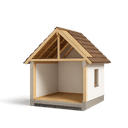
Dwelling
Repairs or rebuilds your home itself, the walls, roof, floors, built-in appliances, and attached structures like a garage, after a covered loss. Set this limit to the full cost of rebuilding, not market value.
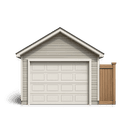
Other Structures
Detached structures on your property, such as a fence, shed, detached garage, or gazebo. Usually set at about 10 percent of your dwelling limit [2].

Personal Property
Your belongings, furniture, clothing, electronics, and appliances, generally written at 50 to 70 percent of your dwelling limit [2]. High-value items like jewelry and art carry special limits.

Additional Living Expenses
Also called loss of use. Pays your added living costs, hotel stays, meals, and a temporary rental, while a covered loss makes your home uninhabitable. Usually set at about 20 percent of your dwelling limit.

Liability
Covers you if someone is injured on your property, or you damage someone else's property, and you are found responsible. The standard $100,000 limit [2] is often raised to $300,000 or $500,000.

Medical Payments
Pays small medical bills, commonly $1,000 to $5,000, if a guest is hurt at your home regardless of fault, without a formal liability claim.
Homeowners Insurance Cost in Concord
Average Cost in New Hampshire
$75 - $190
per month
In New Hampshire, homeowners insurance premiums typically run $75 - $190 per month, which tends to run 26% below the national range of $110 - $250 per month.
- Home replacement cost, age, and construction type
- Roof age, material, and condition
- ZIP code and local weather risk (wind, hail, wildfire, hurricane)
- Coverage limits and endorsements
- All-peril and percentage wind/hail deductibles
- Claims history and insurance score where allowed
Typical range for many standard homeowners profiles; lower-risk homes fall below it and coastal, wildfire, or older-roof homes can run well above. Final pricing depends on property details, location, underwriting, and selected coverage.
Prices shown are general estimates, not guaranteed rates or quotes. Your actual premium will depend on the insurer, coverage selected, personal details, location, claims history, and other underwriting factors. Learn about our pricing methodology.
New Hampshire's pricing picture is fairly competitive, with most homeowners paying somewhere in the mid-range compared to nearby states. Your final quote reflects differences in dwelling coverage limits, deductibles, claims history, roof age, and policy endorsements. The premium index of 102 suggests prices are close to the national average, not dramatically below it.
Weather drives much of the local pricing. Winter storm risk is rated high, Nor'easter risk is moderate, and flooding is moderate, all of which can affect underwriting and repair costs after a claim. Homes in coastal areas, older homes, or properties with higher reconstruction needs may land toward the upper end of the range. A higher deductible can reduce monthly cost, while stronger dwelling coverage and broader endorsements can raise it. The state's 280 active insurers create options, but the final quote still depends on the property itself, not just the ZIP code.
What Makes Concord Different
The main difference here is market fit. In a smaller capital-city market, the question is often not how many quotes you can collect, but which carriers are comfortable with your home's age, condition, and update history. That matters because a quote can look workable until underwriting asks for roof documentation, knob-and-tube remediation, heating details, or proof that older systems have been updated. Even a modest gap between the dwelling limit on paper and what it would take to rebuild can leave you carrying more risk than you intended. This is also a place where many buyers are not shopping entry-level assets. It makes sense to review higher liability limits, scheduled valuables if needed, and deductible choices that you could actually absorb after a loss. Before you bind, ask what conditions could trigger an inspection follow-up and what endorsements are worth pricing now instead of after a claim.
Our Recommendation for Concord
Start with the house file, not the rate. For a local quote, gather the year built, roof age, electrical and plumbing update dates, heating type, square footage, and any recent inspection findings. That gives you cleaner underwriting and helps you avoid comparing policies that look similar but treat water backup, ordinance or law, or personal property very differently. Review whether the dwelling limit is being estimated from current rebuild assumptions rather than copied from a prior declarations page. If your budget is anchored to monthly cash flow, use Concord's median household income of $83,701 as a practical reminder to choose a deductible you can fund without borrowing after a loss. It is also worth asking how claims-free history, roof condition, and bundled policies affect eligibility, because in a tighter market the cleanest submission often gets the most usable options. Request a quote only after those details are organized.
Get Homeowners Insurance in Concord
Enter your ZIP code to compare homeowners insurance rates from carriers in Concord, NH.
Home insurance starting at $50/mo
FAQ
Frequently Asked Questions
Concord buyers should have the roof age, heating type, update history, square footage, and inspection notes ready. In a smaller market, cleaner property details help you get quotes that survive underwriting instead of changing after an inspection or binder review.
Concord homeowners should review limits carefully because the city's median home value is $323,700. That makes it worth checking whether dwelling coverage, other structures, and personal property settings still match the house you own, not just an old declarations page.
Concord households can use local income as a reality check. With median household income at $83,701, the better deductible is usually the one you could pay from savings after a covered loss without disrupting mortgage, utility, and repair cash flow.
Concord homeowners often see changes when underwriting reviews roof condition, prior losses, heating systems, or older electrical and plumbing details. A quote is more dependable when you disclose update dates and inspection findings before the carrier orders follow-up review.
In New Hampshire, it may help cover dwelling damage, personal property, liability, additional living expenses, other structures, and medical payments, but the exact policy form and endorsements vary by carrier.
Many homeowners see monthly premiums vary based on dwelling coverage, deductibles, claims history, roof condition, and location.
Lenders usually require a policy with enough dwelling coverage to protect the collateral, even though New Hampshire does not legally require homeowners insurance for an owner who has no mortgage.
The state does not require it by law for an owned-out-right home, but the coverage can still protect against winter-storm damage, theft, liability claims, and temporary housing costs after a covered loss.
Sources
- 1.U.S. Census Bureau, ACS 5-Year Estimates, table B25077(The local median home value is $323,700.)
- 2.U.S. Census Bureau, ACS 5-Year Estimates, table B19013(Concord's median household income is $83,701.)
Updated July 5, 2026