Updated July 5, 2026

On-Hook Towing Insurance in Concord
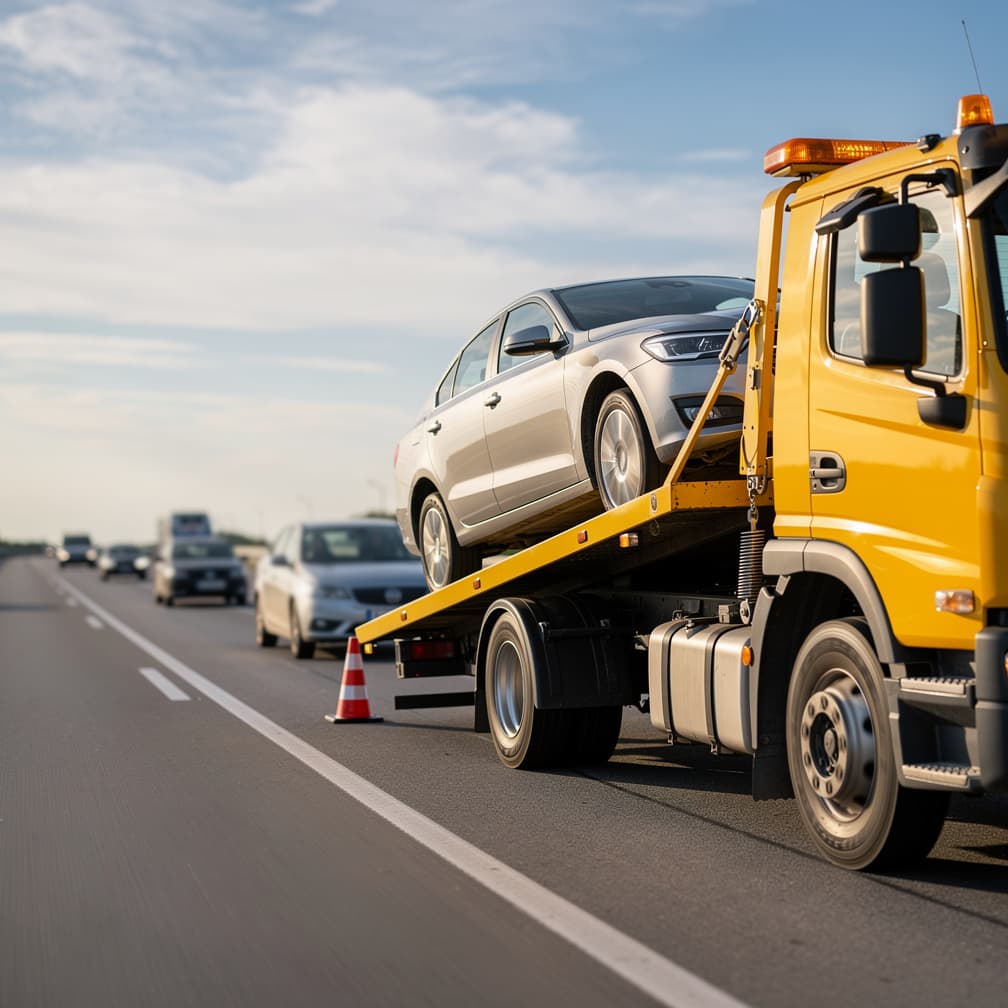
A sedan slips off a wet shoulder near I-93, your rollback gets it loaded, and the damage question starts before you leave the scene: did the scrape happen in the slide, during winching, or while the vehicle was on your equipment? That is the practical reason to review on-hook towing insurance in Concord with your actual call mix in mind. Here, you are not only dealing with routine roadside pickups. You are often moving customer vehicles between retail corridors, repair facilities, apartment complexes, and commuter routes where a small loading mistake can turn into a disputed damage claim. Merrimack County has 4,249 business establishments, so local towers often serve a steady mix of commercial accounts, employee vehicles, vendor fleets, and customer cars that need quick relocation or recovery. That volume matters because more handoffs usually mean more chances for disagreement about pre-existing damage, keys, storage transitions, and who had care, custody, and control at each step. Before you request quotes, map out the jobs you actually take, how often you use dollies or winch-outs, and whether your paperwork clearly documents condition before hookup.
On-Hook Towing Insurance Risk Factors in Concord
Local recovery work often involves short-distance tows that still carry meaningful on-hook exposure because the loss point is usually the **hookup, winching, or unloading step**, not the miles traveled. In and around the capital area, that can mean pulling a disabled vehicle from a tight parking lot, loading along a busy arterial, or moving a car from a retail site to a nearby shop with little room for error. New Hampshire's leading natural hazards are a useful backdrop, not because every claim is catastrophe-driven, but because wet pavement, storm cleanup, and unstable shoulders can complicate how a vehicle is secured and whether new damage is alleged after the tow begins. If those are common assignments for your operation, ask for terms that match your real recovery methods, not just basic transport. It is also worth reviewing how your policy handles attached vehicles during loading and unloading, because that is where many local disputes become expensive.
New Hampshire has a low climate risk rating. Top hazards: Winter Storm (High), Nor'easter (Moderate), Flooding (Moderate), Wildfire (Low). The state's expected annual loss from natural hazards is $120M, which influences on-hook towing insurance premiums and may affect coverage availability in high-risk areas.
What On-Hook Towing Insurance Covers
In New Hampshire, the most useful review starts with the exact moments where a customer vehicle changes status. A claim can turn on whether the unit was still being winched, already secured, partially lifted, or in the middle of unloading at a driveway, repair facility, storage yard, or auction lot. That is where you want your on-hook terms read carefully, because the dispute is often less about whether damage occurred and more about whether it happened during a covered towing operation.
State conditions make that review practical, not theoretical. Weather shifts, slick pavement, soft shoulders, steep approaches, and tight rural access points can all change how a tow is performed. If your drivers handle roadside calls on secondary roads, recover disabled vehicles from ditches or embankments, or move low-clearance units from parking structures and narrow lots, ask the agent to walk through those scenarios in plain language. You want to know how the policy treats each stage of the job, and whether any exclusions or sublimits could matter for the vehicles you most often handle.
This is also the place to separate this exposure from garagekeepers, general liability, and physical damage on your own trucks. Those policies may address different property, different legal theories, or different parts of the job. If your operation mixes consensual towing, police rotation work, private impounds, and scheduled transport, ask for each service line to be reflected in the submission. A cleaner description gives the underwriter fewer reasons to assume a narrower operation than the one you actually run. Before you bind coverage, request specimen wording or a coverage summary that shows how claims are evaluated once a vehicle is attached to your equipment. Then compare that against your dispatch records, hookup methods, and release procedures so the policy matches the work your drivers perform every day.
Coverage Included

Collision on Hook
Covers damage to towed vehicles from collisions during transport.

Comprehensive on Hook
Covers theft, fire, and weather damage to vehicles being towed.
Loading & Unloading
Covers damage during the process of loading and unloading vehicles.
Winching Coverage
Covers damage to vehicles during winching and recovery operations.
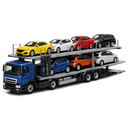
Multiple Vehicle
Covers all vehicles on multi-car carriers and rollback flatbeds.
Industries & Insurance Needs in Concord
Merrimack County's business mix changes the demand pattern for towing work in a way that matters for on-hook exposure. Construction accounts for 13.2% of county establishments, retail trade 13%, and other services, except public administration, 12.7%. That mix usually means more pickups from job sites, store lots, service businesses, and mixed-use properties where vehicles are disabled, parked improperly, or need relocation on short notice. Those jobs can create a different claim profile than a simple highway tow because the scene is tighter, the vehicle condition may already be disputed, and several parties may be involved before the tow starts. If you serve commercial accounts here, build your quote request around where vehicles are collected, who authorizes the tow, and how your drivers document condition at pickup. That gives an agent more to work with than truck count alone and can help you compare forms on the details that matter.
What Makes Concord Different
Commercial handoffs are what change the calculus here. In a market tied to government activity, local retail, service businesses, and contractor traffic, a towing operator is often stepping into a chain of custody problem as much as a roadside problem. The issue is not just whether you can move the vehicle safely. It is whether you can show when damage happened, who released the vehicle, and what condition it was in before your equipment touched it. Concord's median household income is $83,701, so many personal vehicles you handle may carry enough value that even moderate cosmetic or suspension damage becomes a serious customer dispute. That makes documentation discipline more important than broad promises about coverage. If your drivers tow late at night, from private lots, or for commercial clients who expect fast clearance, review whether your limits, deductibles, and claim reporting process fit that higher-friction environment before renewal.
Our Recommendation for Concord
Start with your dispatch reality, not a generic towing application. Separate highway recoveries, private-property impounds, dealer or shop transfers, and roadside assistance calls, then ask for your on-hook terms to be reviewed against each category. If your drivers regularly winch from curbs, garages, or narrow lots, say so plainly. Those details can matter more than a simple count of trucks. You should also tighten your condition documentation process before shopping. Time-stamped photos, signed release language when available, and a consistent intake checklist can help if a customer later alleges damage during hookup or unloading. If you tow for commercial accounts, confirm who is authorized to request service and where responsibility shifts between the property, the customer, and your operator. If you want a useful quote comparison, send your agent your equipment list, typical vehicle types, and the kinds of scenes that create the most disagreement.
Get On-Hook Towing Insurance in Concord
Enter your ZIP code to compare on-hook towing insurance rates from carriers in Concord, NH.
Business insurance starting at $25/mo
FAQ
Frequently Asked Questions
Concord operators should look closely at private-lot pickups, shop transfers, and winch-outs from tight access points, because those jobs create more room for disputes over when damage happened and whether it occurred before hookup, during loading, or while the vehicle was attached.
Merrimack County has 4,249 business establishments, so commercial towing relationships can involve frequent handoffs between property managers, shops, retailers, and contractors. That makes documentation, authorization, and care-custody-control questions more important when you compare on-hook terms.
Merrimack County's mix, construction at 13.2%, retail trade at 13%, and other services at 12.7%, points to more calls from job sites, store lots, and service properties. That can increase short-haul tows where loading conditions matter more than distance.
Concord's median household income is $83,701, so you may handle personal vehicles where even limited body or undercarriage damage leads to a larger claim conversation. Review limits and deductibles with the kinds of vehicles your drivers actually tow.
Concord towing businesses should ask that directly. Many local losses are argued around hookup, winching, and unloading steps, so you want the quote review to focus on those moments, not just on what happens once the vehicle is already moving.
Roadside operators should review it if customer vehicles are attached to their equipment during towing or transport. The harder question is not your marketing label, but whether a damage claim could point to your hookup or release process. If the answer is yes, the exposure exists regardless of what you call the job.
Requirements can vary by operation and contract, so you should verify what applies to your business and clients. Review policy forms and compliance questions carefully before you bind coverage.
Winter weather can complicate securement, loading angles, and roadside documentation, which makes claim records more important. If your drivers handle winter recoveries or slick-road calls, ask for underwriting that reflects those conditions instead of a routine transport-only description.
Sources
- 1.U.S. Census Bureau, County Business Patterns, Merrimack County(Merrimack County has 4,249 business establishments, so local towers often serve a steady mix of commercial accounts, employee vehicles, vendor fleets, and customer cars that need quick relocation or recovery.; Merrimack County's business mix changes the demand pattern for towing work in a way that matters for on-hook exposure: construction accounts for 13.2% of county establishments, retail trade 13%, and other services, except public administration, 12.7%.)
- 2.U.S. Census Bureau, ACS 5-Year Estimates, table B19013(Concord's median household income is $83,701, so many personal vehicles you handle may carry enough value that even moderate cosmetic or suspension damage becomes a serious customer dispute.)
Updated July 5, 2026