Updated July 16, 2026

Key Takeaways
- Compare quotes using the same peak inventory value, deductible, and valuation assumptions so you can see real coverage differences.
- Ask in writing how the policy handles hail, flood, theft, vandalism, and test drives before you bind coverage.
- Prepare a current inventory schedule, offsite storage list, and security summary before requesting dealer open lot insurance quotes.
- Review whether flood needs separate placement instead of assuming another policy form includes it automatically.
- Requote after security upgrades, lot layout changes, or improved claims history so pricing reflects your current risk.
Dealer Open Lot Insurance in New Hampshire
A wind-driven storm can push debris across a front row overnight, a spring flood can leave low spots under water, and a theft loss can turn into a title and valuation problem before you open the next morning. That is the practical reason dealer open lot insurance in New Hampshire deserves a closer review if you keep sale units outside, move them between storage areas, or stage inventory where weather and public access change by the season. In this state, a useful quote starts with how your lot is actually laid out, which vehicles sit closest to roads or drainage areas, whether snow removal contractors work around inventory in winter, and how often units are parked offsite. You also want to match your reporting and recordkeeping to what an adjuster will need after a loss, especially if damage affects multiple vehicles at once. Before you renew, walk the lot as if you were documenting a claim today, then ask for terms that fit your storage pattern, test drive routine, and peak inventory months.
What Dealer Open Lot Insurance Covers
In New Hampshire, the coverage review usually gets more useful when you stop thinking only about a single damaged vehicle and start thinking about how a lot loss actually unfolds. A storm event can affect one row, a drainage problem can affect the lowest section of the property, and a break-in can involve keys, fencing, lighting, and several units touched in the same incident. That means your policy review should focus on where inventory sits during different seasons, how vehicles are moved after hours, and whether any units spend time at overflow storage, service areas, auction pickups, or temporary display locations.
You should also look closely at how the policy treats vehicles during ordinary dealership handling. That includes units being repositioned on the lot, moved between nearby storage areas, or taken out for a supervised test drive if your operation allows it. If your dealership carries higher value trucks, specialty vehicles, motorcycles, trailers, or mixed inventory, ask how limits and valuation apply by vehicle type rather than assuming every unit is treated the same way.
State oversight matters when you are comparing forms and endorsements. Policy language, complaint handling, and filing questions should be reviewed carefully before you bind coverage. As you compare options, ask for a plain explanation of exclusions, sublimits, deductible structure, off-premises treatment, and what documentation will be expected if several vehicles are damaged in one event.

Weather Damage
Covers hail, wind, flood, and storm damage to lot inventory.
Theft Protection
Covers vehicles stolen from your lot.
Fire Damage
Covers fire and explosion damage to inventory vehicles.

Vandalism
Covers intentional damage to vehicles on your lot.
Test Drive Coverage
Covers vehicles during customer and employee test drives.
Transit Coverage
Covers vehicles being moved between lot locations.
Dealer Open Lot Insurance Requirements in New Hampshire
- New Hampshire follows a file-and-use framework for most commercial property forms, which means insurers can implement rates and rules without prior approval. That gives you a reason to read endorsements carefully, since carriers have flexibility on exclusions, sublimits, and deductible triggers that may differ from what you have seen in other states.
- RSA 415-A governs unfair claims practices in New Hampshire. If a claim dispute arises over offsite storage or vehicle valuation, the statute sets the timeline and standards for how the insurer must respond, so keep your inventory records and lot photos dated and organized to support your position.
- Roadside lots with easy public visibility can help sales, but they also change theft, vandalism, and after-hours access exposure in ways underwriters will notice.
- Mixed inventory operations, such as autos, trailers, powersports, or seasonal units, should confirm how valuation and limits apply across different vehicle types.
How Much Does Dealer Open Lot Insurance Cost in New Hampshire?
Dealer open lot pricing in New Hampshire usually turns on exposure details that an underwriter can verify, not on a simple dealership label. The total value of inventory you hold for sale is the starting point, but underwriters also want to know how tightly vehicles are parked, whether the lot has low areas that collect water, how close inventory sits to public roads, what anti-theft controls are used after hours, and whether units are stored at more than one location. If your inventory mix changes sharply by season, that should be part of the quote discussion too.
Deductible choice affects cost, but it should be matched to your cash flow and the kind of loss you are most likely to absorb without disrupting operations. A higher deductible can reduce premium, yet it may not help if one weather event can damage several vehicles at once and leave you funding a large out-of-pocket amount before repairs or settlement move forward. Limits also need attention. If your peak inventory value rises during tax refund season, summer recreation demand, or year-end buying cycles, a stale limit can leave you underinsured at the worst time. That means your policy pays out less than the actual value of the units on your lot, and you absorb the difference out of pocket. Review your inventory values before each peak season and ask for a limit adjustment if the numbers no longer match what you are holding.
Underwriters also look for evidence that your operation is organized enough to defend a claim. Clean inventory schedules, current photos, key control procedures, lighting, fencing, camera coverage, and documented offsite storage practices can all improve how your risk is viewed. When you request quotes, send the same complete information to each market so you can compare deductible options, valuation approach, and coverage terms on a like-for-like basis instead of chasing a lower number that leaves a gap.
Request a Quote Comparison
Enter your ZIP code to compare dealer open lot insurance rates from top carriers.
Business insurance starting at $25/mo
Who Needs Dealer Open Lot Insurance?
In New Hampshire, this coverage deserves attention from dealerships and resale operations that keep titled inventory exposed before delivery, especially when vehicles spend meaningful time outdoors or move between more than one storage point. That includes independent used auto dealers, franchise dealers, powersports sellers, trailer dealers, RV operations, and businesses that take in trade units and hold them for resale while they wait for reconditioning, photos, financing, or buyer pickup.
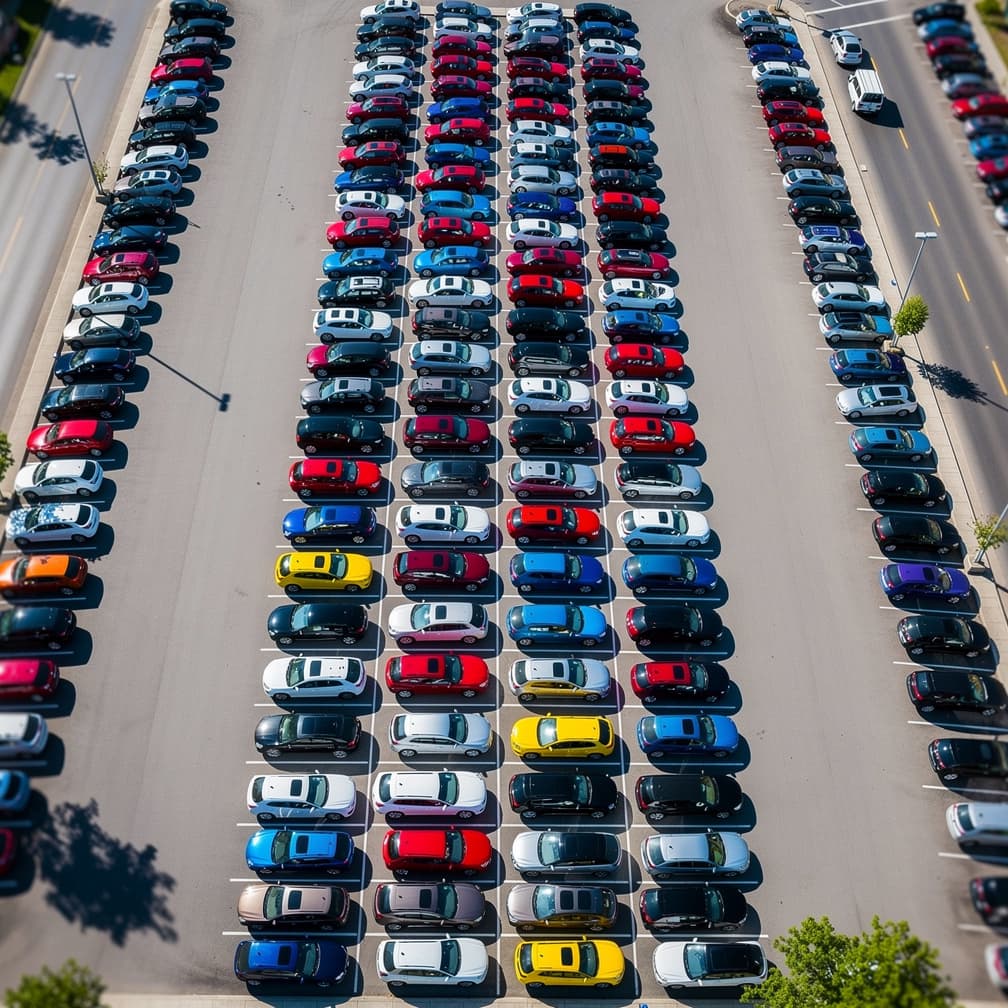
The need becomes more obvious if your lot layout creates concentration risk. That means a single storm, fire, or theft event could damage many vehicles parked close together in one section of your property. If your rows are tight, your inventory sits in one cluster, or your overflow area packs units side-by-side, ask whether your deductible and limits account for a multi-unit loss from one event.
You should also take a closer look if your business model depends on frequent customer access. Test drives, after-hours browsing, unlocked display units during business hours, and vendor activity on the premises all change how losses happen and how claims are documented. If you sell specialty or seasonal inventory, ask whether your peak months create a temporary jump in total values that should be reported or scheduled differently. The right time to review this is before inventory builds, not after a storm, theft, or lot incident exposes a limit problem.
Dealer Open Lot Insurance by City in New Hampshire
Dealer Open Lot Insurance rates and coverage options can vary across New Hampshire. Select your city below for localized information:
How to Buy Dealer Open Lot Insurance
Buying this coverage in New Hampshire goes more smoothly when you prepare the file the way an underwriter and a claims adjuster will read it. Start with a current inventory list that shows each unit held for sale, its value, VIN or identifying information, and the exact location where it is stored. Separate front-line inventory from overflow, service area units, and any vehicles kept off-premises. If your inventory changes quickly, note how often values are updated and who is responsible for keeping records current.
Next, document the property itself. A strong submission usually includes the lot address, photos of fencing and lighting, camera details, gate procedures, key control practices, and notes on where vehicles are most exposed to traffic, runoff, snow piles, or public access. If you use outside vendors for snow removal, transport, detailing, or reconditioning, mention that early so the agent can flag any handling issues that affect the quote.
Then ask targeted questions instead of requesting a generic proposal. You want to know how the policy treats offsite storage, temporary movement between locations, test drives, deductibles for weather losses, valuation method, and any exclusions that could matter for your inventory mix. Once terms are clear, compare options side-by-side and choose the one that fits your actual lot operations, not just the shortest premium line. Request a quote through CPK Insurance to compare your options with participating licensed providers.
How to Save on Dealer Open Lot Insurance
Saving money on dealer open lot insurance in New Hampshire usually comes from making your risk easier to inspect, easier to price, and easier to defend after a loss. Start with inventory discipline. If your unit list is outdated, values are estimated loosely, or offsite vehicles are tracked informally, underwriters have to assume more uncertainty. A cleaner schedule with current values and exact storage locations can support a more confident quote review.
Physical controls matter too. Better lighting, documented camera coverage, consistent key management, locked gates after hours, and a written process for moving vehicles on and off the lot all help show that theft and handling losses are being managed, not merely hoped away. If your property has low spots, weak drainage, or snow storage areas near inventory, changing where vehicles are parked during higher risk periods can reduce both claim frequency and claim severity. That kind of operational adjustment often matters more than shopping the same weak submission to more markets.
You can also save by matching limits and deductibles to your real exposure instead of carrying stale numbers. Review peak inventory values before busy selling periods so your limit reflects what is actually on the lot, not last season's count. If your current structure no longer fits the mix of vehicles you carry, ask for an adjustment before inventory builds rather than after a loss exposes a gap.
Our Recommendation for New Hampshire
For New Hampshire dealerships, the most useful buying move is to map your inventory by exposure, not just by value. Mark which rows sit closest to road access, drainage paths, snow storage, and customer traffic, then compare that map against your current limit and deductible structure. If one event could damage several units in the same section, your policy should be reviewed with that concentration in mind.
Ask for clear treatment of offsite storage and temporary movement before you bind. Many dealers use overflow areas, service lots, auction pickups, or short-term staging without thinking of them as separate exposures, but that is exactly where claim disagreements can start. Keep dated photos of the lot and update your inventory schedule often enough that you could hand it to an adjuster the same day a loss is reported.
It is also smart to review vendor activity around the lot. Snow removal, transport, detailing, and reconditioning all create moments when vehicles are moved, clustered, or left in different places than usual. Build those routines into your quote request. Then compare forms line-by-line, focusing on exclusions, valuation, and deductible triggers rather than choosing on premium alone.
FAQ
Frequently Asked Questions
New Hampshire used car lots often keep sale units outdoors and move them between display, service, and overflow areas, so this coverage is usually worth reviewing. Policy wording and endorsements matter, especially if your inventory shifts between locations or seasonal storage setups.
New Hampshire policies may treat offsite storage differently depending on the form, location details, and how often units are moved. Ask for specific confirmation on overflow lots, temporary storage, and affiliated locations before binding so a later claim does not turn into a location dispute.
New Hampshire dealerships should review how weather exposure changes by season, especially where inventory sits near drainage areas, open frontage, or snow operations. The practical issue is not just one damaged vehicle, but whether one event could affect several units in the same section.
New Hampshire motorcycle and powersports dealers often have the same core inventory exposure as auto dealers, but the quote should reflect vehicle type, storage pattern, and seasonal swings. Ask how valuation, deductibles, and off-premises handling apply to your specific mix.
New Hampshire insurers usually want a current inventory list, values, storage locations, security details, and notes on offsite units or test drive practices. Providing complete records up front helps underwriters price your actual exposure rather than building in assumptions that drive up your premium.
New Hampshire coverage for test drives depends on the policy terms and how your dealership handles customer use. Bring up supervised drives, driver screening, and any regular routes during the quote process so the carrier can address that exposure directly.
New Hampshire insurance regulation is handled by the New Hampshire Insurance Department. That matters when you are reviewing forms, endorsements, and complaint procedures, so keep copies of quote versions and ask for unclear exclusions to be explained before you bind.
Dealer open lot insurance nationwide is generally reviewed for damage or loss to vehicles you own for sale, including hail, wind, theft, vandalism, fire, flood, and test drive exposure, depending on your policy terms, deductibles, valuation method, and any location or off-premises limitations.
Sources
- 1.New Hampshire Insurance Department(New Hampshire insurance regulation is handled by the New Hampshire Insurance Department.)
Updated July 16, 2026