Updated July 16, 2026

Key Takeaways
- List every way customer vehicles enter, move through, and stay on your premises before you request a garage keepers quote.
- Compare collision losses against theft, fire, vandalism, and weather losses so your quote matches your actual custody exposure.
- Ask how customer vehicles are valued after a loss, especially if you handle newer, specialty, or recently upgraded vehicles.
- Review key control, intake photos, lot security, and employee driving rules before renewal to improve both pricing and claim defensibility.
- Request side-by-side quotes with the same limits, deductibles, and storage assumptions so you can spot real coverage differences.
Garage Keepers Insurance in New Hampshire
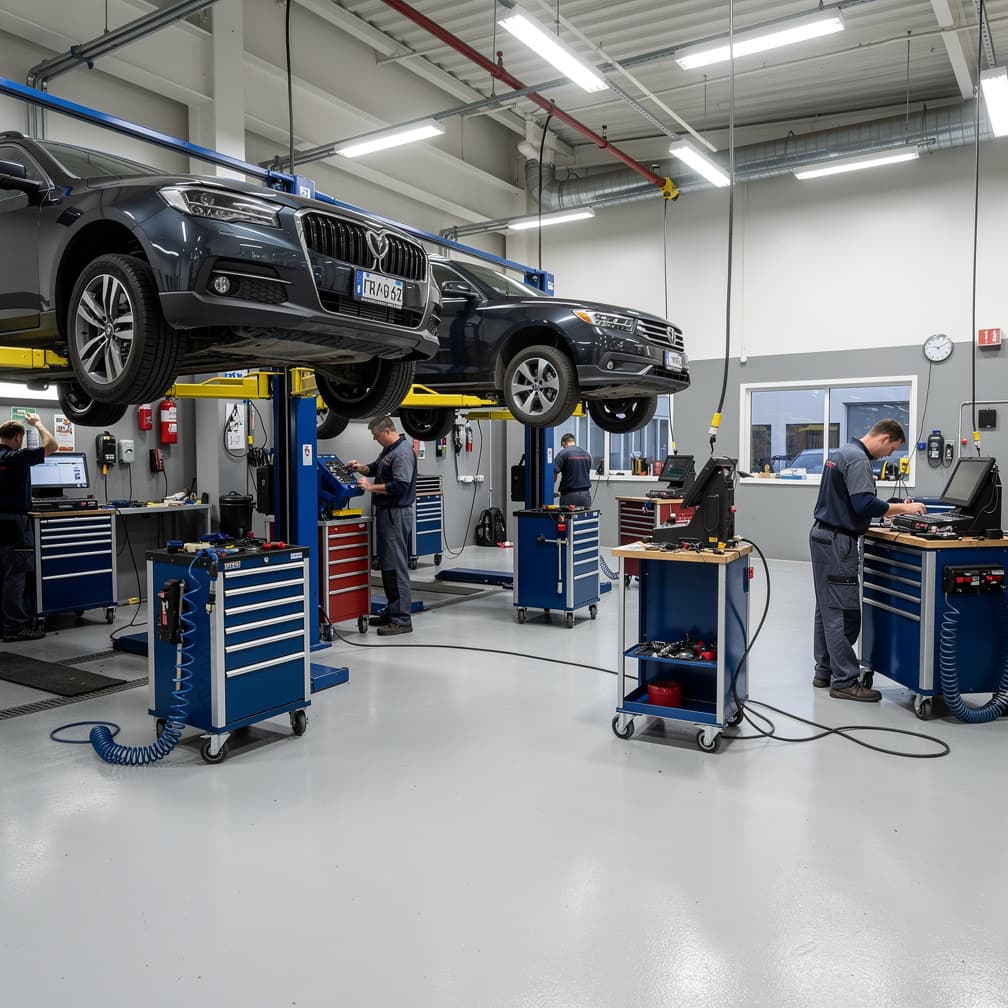
You are about to sign a lease for a service bay in Manchester, and the landlord asks for proof that customer vehicles are addressed before keys ever hit your counter. That moment turns garage keepers insurance from a line item into an operating decision. You need to think through where vehicles sit overnight, who can move them, whether they stay outside during bad weather, and how you document pre-existing damage before work starts. An underwriter needs those details clear, and they shape how a claim is argued if a customer says the damage happened on your watch.
Weather and seasonal swings can change how long vehicles stay on site and whether storage shifts from open lots to tighter indoor space. Your quote should match your actual intake, storage, and handoff process. List your maximum number of customer vehicles on premises, your key control procedure, and whether any employee road tests, tows, or repositions vehicles during the day.
What Garage Keepers Insurance Covers
Your lot layout and intake routine tell an underwriter more than a generic checklist ever could. A small repair shop with a fenced outdoor area faces a different claims argument than a restoration shop that keeps higher-value vehicles indoors for longer periods. When customer vehicles stay overnight, review whether your policy terms line up with where those vehicles are actually parked, how frequently they get repositioned, and which employees have access to keys.
You also need to look closely at the handoff points where disputes start. After-hours drop boxes, weekend storage, snow-season backups, and sublet work can all create gaps in documentation if your process is loose. Ask how damage is handled when a vehicle arrives after business hours, whether photos are required at intake, and how the file shows who last moved the vehicle before a reported loss. A claim often turns on when the vehicle was moved, who held it, and what shape it was in at each step.
The New Hampshire Insurance Department regulates insurance in the state, so keep policy comparisons tied to forms and terms that apply here. Ask for any unclear exclusions to be explained in writing. That is especially important when your operation mixes repair, storage, towing, detailing, or dealer service work under one roof.

Collision Coverage
Covers damage to customers' vehicles from collisions while in your care.

Comprehensive Coverage
Covers theft, vandalism, fire, and weather damage to customers' vehicles.
Specified Perils
Covers only specifically named perils at a lower premium.

Legal Liability
Covers damage you or your employees directly cause to a customer's vehicle.

Direct Primary
Pays regardless of fault, the broadest garage keepers coverage available.
Garage Keepers Insurance Requirements in New Hampshire
- Shops that rely on after-hours drop-off should build a documented intake process that captures vehicle condition before staff first move the unit.
- Outdoor storage should be described exactly as it exists, including fenced areas, overflow rows, and how long customer vehicles typically remain on site.
- Seasonal volume swings mean you should tell the underwriter when indoor storage fills up and vehicles shift to different parking patterns.
- Mixed operations, such as repair plus towing or dealer service plus storage, should be quoted around each point where responsibility for a vehicle changes hands.
How Much Does Garage Keepers Insurance Cost in New Hampshire?
Cost is usually driven by how many vehicles you hold at once and how carefully your staff handles them rather than a simple statewide average. An underwriter will want to know your peak lot count, whether inventory sits indoors or outdoors, how tightly units are stacked, and whether employees move them with lifts, tow equipment, or ordinary driving. Businesses that keep vehicles overnight or through weekends present a different risk because the holding period is longer and weather exposure may be different than a same-day service model.
A shop that performs quick turnaround maintenance may present a different profile than a body shop waiting on parts, a dealer service lane with constant vehicle movement, or a towing operator storing impounded units. Clear intake photos, signed work orders, controlled key access, and a documented lot map can make your operation easier to underwrite because they reduce uncertainty about where a vehicle was and who handled it.
Prepare the facts before you apply. Give the carrier your peak vehicle count, storage setup, employee driving practices, prior losses, deductible preference, and any seasonal changes in volume. A complete submission produces a cleaner proposal than asking for a fast estimate with missing details, then finding out later that the terms do not fit how your shop actually operates.
Request a Quote Comparison
Enter your ZIP code to compare garage keepers insurance rates from top carriers.
Business insurance starting at $25/mo
Who Needs Garage Keepers Insurance?
Review your garage keepers exposure any time a customer leaves a vehicle with you and your business controls where it sits, who can move it, and when it is returned. That applies to more than full-service repair facilities. A detail shop that keeps vehicles overnight, a tire store that stages cars in a side lot, or a towing company that stores units after recovery can all face the same core problem. A customer says the damage happened while the vehicle was under your control.
The need becomes more obvious when your operation moves vehicles through several locations on the lot. Maybe a vehicle is dropped off before opening, moved into a bay later, parked outside while waiting on approval, then repositioned again for pickup. Each transfer creates a chance for confusion unless your records show condition, location, and who handled the keys. Businesses with outdoor storage, shared lots, or frequent employee vehicle movement should pay especially close attention because those facts often shape both underwriting and claims review.
This coverage is also worth reviewing when your business model is changing. Adding service work to a dealership, expanding from mobile work into a fixed location, taking on more overnight storage, or leasing a larger lot can all mean your prior insurance setup no longer matches your actual exposure. Before renewal or before opening a new location, review each transfer point in your workflow and ask for terms built around that sequence, not around your business name alone.
Garage Keepers Insurance by City in New Hampshire
Garage Keepers Insurance rates and coverage options can vary across New Hampshire. Select your city below for localized information:
How to Buy Garage Keepers Insurance
Buying this coverage goes more smoothly when you build the submission around your real operating flow. Show how vehicles arrive, whether customers use an after-hours drop, how pre-existing damage is documented, and where keys are stored once the vehicle is on site. Break down your storage by indoor units, fenced outdoor spaces, overflow parking, and any off-site lots you use during busy periods. An underwriter can only match terms to your exposure when those details are clear.
Explain who can reposition vehicles, whether road tests happen, whether tow trucks or dollies are used, and how often inventory is left unattended outside business hours. Shops that handle specialty, collector, or higher-value vehicles should say so early. The same applies when you subcontract part of the work or transfer vehicles between related locations.
Ask how the policy addresses indoor versus outdoor storage, weather-related loss scenarios, employee handling, deductibles, and any exclusions tied to unattended vehicles or certain classes of autos. Request specimen wording or a clear written summary when anything is vague. A useful buying process is less about speed and more about documenting exactly when your shop takes responsibility for a vehicle and when it gives that responsibility back before a loss tests the policy. Bring your lease requirements, customer intake form, and lot diagram to the quote request so the proposal reflects your actual operation.
Request a quote through CPK Insurance to compare your options with participating licensed providers.
How to Save on Garage Keepers Insurance
The most practical way to lower your garage keepers costs is to reduce ambiguity in how customer vehicles are received, stored, and released. Carriers generally respond better when your process shows control. That means consistent intake photos, signed check-in forms, a written key log, and a clear rule on who may move customer vehicles. Those records can help show condition and timeline instead of leaving the file to memory and argument.
Separate completed vehicles from units awaiting parts, keep tighter spacing in outdoor rows, improve lighting, and document where each vehicle is parked to make the risk easier to evaluate. Seasonal conditions can change where vehicles are stored and how often they are moved, so it helps to have a written overflow and storm procedure rather than improvising when the lot gets crowded.
You may also save by choosing terms that fit your operation instead of overbuying broad limits without reviewing your peak exposure. Work through your maximum number of vehicles on site, the typical value range you handle, and whether a higher deductible makes sense for your cash flow. Better underwriting information often leads to more usable pricing because the carrier is not forced to guess at your lot conditions, employee practices, or overnight storage habits.
Our Recommendation for New Hampshire
The strongest garage keepers decision usually comes from matching coverage review to your actual workflow. Focus first on the moments that create disputes: after-hours drop-off, weekend storage, road tests, overflow parking, and pickup delays. Paperwork that does not show vehicle condition and location at each step should be fixed before you shop.
Review your premises through an underwriter's eyes. Walk the lot, note where customer vehicles sit during busy periods, and identify any place where keys, vehicles, or documentation can get separated. Make sure your quote request says plainly when indoor space fills up seasonally and units move outside. A policy reviewed around normal conditions can miss the way your operation works during peak periods.
Ask for a quote package that compares deductible options and highlights exclusions in plain language. You want less guesswork, not just a lower number on the proposal. Bring your employee vehicle-handling rules and any contract requirements to the conversation, then request revisions until the terms line up with how customer vehicles actually move through your business.
FAQ
Frequently Asked Questions
Repair shops should review it whenever customer vehicles stay in your care, even briefly. The core question is whether your intake, storage, and handoff records can hold up if a customer claims damage happened on your lot.
Landlords may ask for proof that customer vehicle exposures are addressed before a lease is finalized. Bring the lease requirements into the quote process so the policy review matches what the property owner expects.
Buyers usually get a better quote by submitting a lot diagram, intake procedure, key control rules, overnight storage details, and employee vehicle-handling practices instead of only basic business information.
The New Hampshire Insurance Department regulates insurance in the state, so keep policy comparisons tied to forms and terms that apply here.
Detail shops can need it when customers leave vehicles with you and your staff controls where those vehicles are parked or moved. Overnight storage and after-hours pickup make that review more important.
Applicants should prepare peak vehicle count, storage locations, key procedures, employee driving practices, prior loss details, and any lease or contract requirements so the quote reflects real operations.
Outdoor storage can affect how your risk is reviewed because it changes where vehicles sit, how frequently they get repositioned, and how clearly you need to document lot control and condition at intake.
Garage keepers insurance may cover damage to customers' vehicles while they are in your care, custody, or control. That may include collision, theft, fire, vandalism, hail, and other covered causes of loss, depending on your policy terms and how your business handles vehicles.
Sources
- 1.New Hampshire Insurance Department(The New Hampshire Insurance Department regulates insurance in the state.)
Updated July 16, 2026