
Updated July 5, 2026

Builders Risk Insurance in Manchester
Projects here often move through tight downtown rehabs, small commercial build-outs near Elm Street, and residential work where materials sit on site between delivery and the next trade. That operating pattern is why builders risk insurance in Manchester deserves a closer review than a generic vacant-building form. You need the policy term, covered property, and valuation method to match how the job is actually staged, especially if you are renovating an occupied structure, storing fixtures before installation, or handing off work in phases. Local buyers also face a housing market where home values are substantial, so underinsuring a single-family build or major remodel can leave a meaningful gap if the limit is based on an outdated budget instead of current rebuild assumptions. Before you bind coverage, line up the construction contract, draw schedule, and materials list with the address, soft-cost needs, and who must be shown as an insured or loss payee. That review is usually where avoidable claim disputes start or stop.
Builders Risk Insurance Risk Factors in Manchester
Manchester's top risk factors include Winter storm damage, Ice dam damage, Frozen pipe bursts, and Snow load collapse.
New Hampshire has a low climate risk rating. Top hazards: Winter Storm (High), Nor'easter (Moderate), Flooding (Moderate), Wildfire (Low). The state's expected annual loss from natural hazards is $120M, which influences builders risk insurance premiums and may affect coverage availability in high-risk areas.
What Builders Risk Insurance Covers
A policy may need to address materials at the site, items in temporary storage, and property in transit if your schedule depends on staged deliveries or long lead items arriving in sequence. That matters on projects where weather, access, or subcontractor timing can leave valuable materials waiting to be installed.
You should also look closely at soft cost and delay-related options when the financing structure makes timing important. If a covered loss pushes back completion, the real problem is often not just replacing damaged work, but dealing with extra interest, additional carrying costs, or postponed occupancy. For example, a six month delay on a financed commercial build can add tens of thousands in interest and lost rental income. Those items are not automatic in every form, so they need to be reviewed against the contract and budget.
Renovation work deserves extra attention because the existing building, occupied areas, and new construction often share the same site. In that setting, you want the quote to distinguish between the portion under construction and property that belongs under another policy. That helps avoid assumptions about what policy responds first after a loss.
Temporary works and site security details also affect how the coverage should be structured. Fencing, scaffolding, construction forms, and similar jobsite property may be handled differently depending on policy terms. If your project uses specialty materials or equipment that arrives well before installation, ask for those exposures to be addressed directly in the quote request instead of assuming they are picked up automatically.
Coverage Included

Structure Coverage
Covers the building or structure under construction.

Materials on Site
Covers building materials stored at the construction site.

Materials in Transit
Covers materials being transported to the job site.
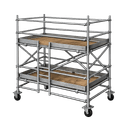
Temporary Structures
Covers scaffolding, fencing, and temporary buildings.

Soft Costs
Covers additional expenses from construction delays due to covered losses.

Equipment Coverage
Covers permanently installed fixtures and equipment.
Industries & Insurance Needs in Manchester
In Hillsborough County, there are 11,057 business establishments, and construction accounts for 12.4% of establishments, alongside retail trade at 13.6% and professional, scientific, and technical services at 11%. That mix matters because local projects often involve tenant improvements, storefront work, office renovations, and contractor traffic across multiple small sites rather than only ground-up builds. For a builders risk review, that means you should look closely at partial occupancy, existing structure exposure, temporary storage, and whether subcontracted materials become your responsibility before installation. If your job depends on custom fixtures, owner-supplied items, or phased turnover to a retail or office tenant, ask for wording that matches that sequence instead of assuming a standard form fits. County business density also means more counterparties, so certificate timing and contract alignment deserve attention before work starts.
What Makes Manchester Different
Existing-structure and phased renovation exposure is the main thing that changes the calculus here. In a market with a median household income of $77,415, a large share of projects involve improving, repositioning, or expanding property that already has real economic value before the first hammer swing. That raises a practical coverage question: is the policy only insuring new work, or does the contract make you responsible for damage that reaches back into the standing structure? The answer affects limit selection, deductible tolerance, and whether soft costs or delay-related expenses should be reviewed. It also changes how you document the site before work begins. If you are taking on a rehab, addition, or interior build-out, treat the pre-existing building, installed materials, and handoff schedule as separate decision points, not assumptions buried in the application.
Our Recommendation for Manchester
Start with the contract set, not the application. On local renovation and infill jobs, ask your agent to compare the scope of work against the policy's definition of covered property, then confirm whether existing structure, temporary works, and materials off site need to be scheduled or endorsed. If the project budget was set months ago, revisit the completed value before binding, especially on residential work where current property values can make a low limit more painful after a loss. For downtown or multi-tenant work, review who controls site security, who accepts delivered materials, and when responsibility shifts from owner to contractor or subcontractor. If a lender, landlord, or project owner wants specific wording, resolve that before the first draw or delivery. A short pre-bind checklist, address, term, insured parties, valuation, storage, transit, and soft costs, usually does more for claim readiness than adding broad language after the fact.
Get Builders Risk Insurance in Manchester
Enter your ZIP code to compare builders risk insurance rates from carriers in Manchester, NH.
Business insurance starting at $25/mo
FAQ
Frequently Asked Questions
Manchester renovation jobs often turn on contract language, not assumptions. If your scope touches an existing structure, review whether you are responsible only for new work or also for damage that affects the standing building, then match the policy wording to that obligation.
Manchester jobs with tight sites and phased deliveries should review where materials sit before installation. Coverage may depend on whether property is stored on site, off site, or in transit, so your schedule and storage plan should be discussed before binding.
Hillsborough County has 11,057 business establishments, with construction making up 12.4% of establishments, so many projects involve multiple subcontractors, suppliers, and certificate requests. That makes insured-party setup, delivery responsibility, and contract alignment worth checking early.
Manchester home values are substantial, so a remodel or custom home project can outgrow an older budget quickly. Review completed value, change orders, and owner-supplied materials before choosing a limit, especially on residential work.
Manchester commercial build-outs should be reviewed for partial occupancy, existing improvements, and phased turnover. If a tenant opens in stages or fixtures arrive before installation, ask whether the policy terms fit that sequence instead of relying on a standard form.
Lenders, property owners, and landlords commonly ask for proof before draws, lease approvals, or site access move forward. They usually want the certificate to match the contract, project address, and named insured details so there is no confusion later.
Renovation projects often deserve a separate review because the existing structure, occupied areas, and new work can involve different policies. You should clarify which property is insured where before work starts, especially if the building stays in use during construction.
Lenders often require proof that lines up with loan documents and draw conditions. If the certificate wording, named interests, or project dates do not match the financing file, funding can be slowed while corrections are made.
Sources
- 1.U.S. Census Bureau, County Business Patterns, Hillsborough County(In Hillsborough County, there are 11,057 business establishments; Construction accounts for 12.4% of establishments, alongside retail trade at 13.6% and professional, scientific, and technical services at 11%)
- 2.U.S. Census Bureau, ACS 5-Year Estimates, table B19013(A median household income of $77,415)
Updated July 5, 2026