Updated July 16, 2026

Car Insurance in Nashua
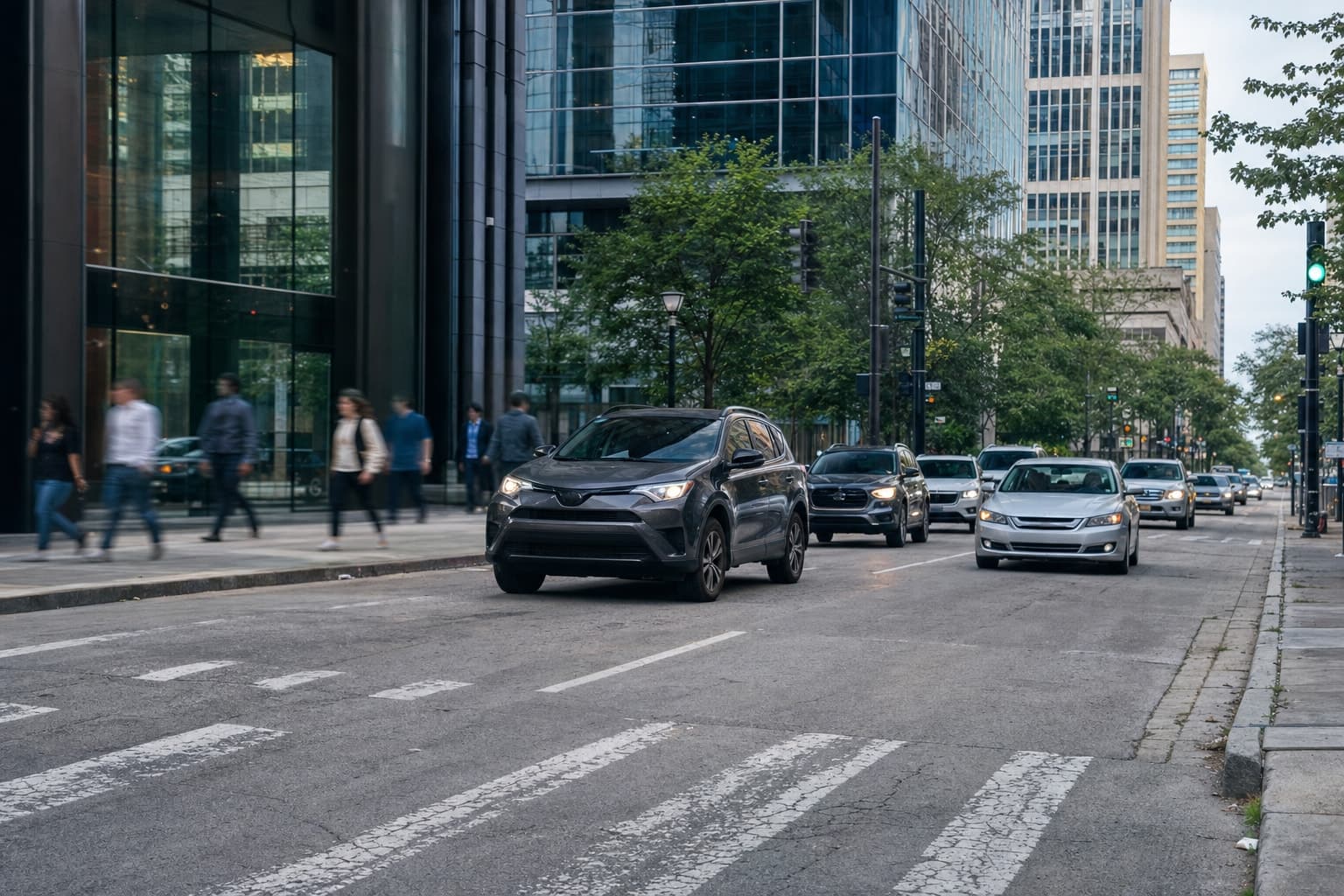
A local auto policy review starts with how you actually use your car here. That means weekday runs on the Everett Turnpike, short errands between downtown and South Nashua retail corridors, school pickup, and regular cross-border trips into Massachusetts for work or appointments. This pattern matters because car insurance in Nashua often needs closer attention to mileage, garaging, deductibles, and whether your liability limits still make sense for the vehicles and assets you have now. With median household income at $92,457, many households have more to protect than the state minimum approach is built for, which means a single at-fault crash could put savings or home equity at risk if limits are too low. If your household has added a newer vehicle, a teen driver, or a longer commute, review collision and comprehensive deductibles at the same time instead of changing one line item in isolation. The goal is a quote built around where you park, how often you cross busy retail areas, and how much financial risk you would actually want to keep after a serious crash.
New Hampshire has a low climate risk rating. Top hazards: Winter Storm (High), Nor'easter (Moderate), Flooding (Moderate), Wildfire (Low). The state's expected annual loss from natural hazards is $120M, which influences car insurance premiums and may affect coverage availability in high-risk areas.
What Car Insurance Covers
A New Hampshire car insurance policy is built around the coverages you choose, and the local market gives you a real range of carriers and price points to compare. Liability can help cover injuries and damage you cause to others in an auto accident. Collision helps with repairs to your own vehicle after a crash, while comprehensive applies to non-collision losses such as theft, weather, and other covered events. That matters here because winter storm and nor'easter exposure is not theoretical. The state has a documented history of severe weather, so drivers in places like Concord, Nashua, and Portsmouth often look closely at comprehensive deductibles. Uninsured motorist protection is also important because roughly 6 out of every 100 drivers in the state lack insurance, which can affect how you think about protection after an accident with a driver who cannot pay. Medical payments can help with covered medical expenses after a crash, and rental reimbursement may help keep you mobile while your vehicle is being repaired.
A policy that works for a Manchester commuter may not be the right fit for a driver in a coastal or flood-prone area. State rules and carrier underwriting can vary, so review the policy language carefully before you bind coverage.
Coverage Included

Liability
Can help pay for injuries and property damage you cause to others in an accident, coverage most states require drivers to carry.

Collision
Can help pay to repair or replace your car after a crash with another vehicle or object, regardless of fault.

Comprehensive
Typically covers damage to your car from events other than collisions, such as theft, hail, fire, flooding, or hitting an animal.

Uninsured Motorist
May pay for your injuries and, in some states, car damage when an at-fault driver has no insurance or too little.

Medical Payments
Can help cover medical bills for you and your passengers after an accident, no matter who was at fault.
Rental Reimbursement
May pay for a rental car while your vehicle is in the shop for repairs after a covered claim.
Car Insurance Cost in Nashua
Average Cost in New Hampshire
$70 - $170
per month
In New Hampshire, car insurance premiums typically run $70 - $170 per month, which tends to run 29% below the national range of $110 - $230 per month.
- Driving record and age
- Vehicle make, model, and year
- Location and commute distance
- Credit-based insurance score
- Coverage limits and deductibles
Contact CPK Insurance for a personalized quote.
Prices shown are general estimates, not guaranteed rates or quotes. Your actual premium will depend on the insurer, coverage selected, personal details, location, claims history, and other underwriting factors. Learn about our pricing methodology.
The stated average range for car insurance in New Hampshire is $70 to $170 per month. The state's premium index means pricing is just slightly above the national average rather than dramatically higher or lower, so your final premium is usually driven more by your own profile and coverage choices than by the state alone. Coverage limits and deductibles are major pricing levers, and so are claims history, location, and policy endorsements. A driver in downtown Manchester or Nashua may see different pricing pressure than someone in a smaller community because local traffic, theft exposure, and commuting patterns differ. Winter weather and storm history can also influence how insurers evaluate risk.
The carrier field gives you room to compare quotes from multiple insurers. If you accept a higher deductible, your monthly cost may move lower. New Hampshire's 2023 average claim cost of $21,095 refers to the typical payout per collision claim, and alongside 28,000 total crashes, it tells you why even moderate-seeming accidents can push well past five figures in repair and medical costs. Many drivers compare their monthly premium against the out-of-pocket risk created by their deductible. The most accurate price comes from a personalized quote, because vehicle make and model, annual mileage, and your claims record can change the number significantly.
What Makes Nashua Different
Cross-border driving is the main thing that changes the calculus here. Many local drivers do not stay inside one city pattern all week. They mix neighborhood trips with turnpike commuting and frequent Massachusetts travel, which can increase annual mileage, time in heavier traffic, and the chance that a low deductible or low liability limit stops fitting the way the car is used now. That is why a quote review should start with use, not just price. If your car spends most nights in one driveway but regularly travels out of state, make sure your use details are all accurate before you compare options. If your household has built more savings or home equity over time, this is also a good moment to check umbrella coordination. More mixed driving environments and routine retail traffic give you more reasons to check whether an older policy still matches your current exposure.
Our Recommendation for Nashua
Small application errors can distort a quote or create problems at claim time, so start with the details that shift when your daily driving habits change. Look at your annual mileage, commute use, parking address, and every regular driver as a single picture, then weigh your liability limits against what you would actually be comfortable paying out of pocket after a major accident. That review matters more in a city where many households have meaningful income and assets to protect. Your deductibles should sit in line with your emergency fund, especially if you rely on one vehicle for work or school runs and could not easily absorb a large repair bill. If you park outside, ask how comprehensive would respond to the non-collision losses you are most concerned about, but keep the discussion tied to your vehicle and storage situation. When you are ready to compare, request side-by-side quotes with the same limits and deductibles so you are comparing real coverage changes, not just different price points.
Get Car Insurance in Nashua
Enter your ZIP code to compare car insurance rates from carriers in Nashua, NH.
Car insurance starting at $59/mo
FAQ
Frequently Asked Questions
Nashua households often have more income to protect than an older policy reflects. With median household income at $92,457, a serious at-fault claim could exceed state minimum limits and put personal assets at risk, so it is worth checking whether your bodily injury and property damage limits still line up with your finances.
Frequent cross-border driving can change how a carrier prices the policy, and accurate use details matter as much as the coverage limits. Start by confirming your annual mileage, commute use, garaging, and all regular drivers before you compare options.
Hillsborough County has 11,057 business establishments, which means your daily routes put you alongside more commercial and service traffic than pure residential driving would. That raises the odds of a collision with a work vehicle, so it pays to revisit your deductibles and liability limits with your actual weekly driving pattern in mind.
Hillsborough County is led by retail trade at 13.6%, construction at 12.4%, and professional, scientific, and technical services at 11%, which translates to more trucks, delivery vans, and contractor vehicles sharing the roads you use every day. Review mileage and vehicle use carefully if your week includes errands, job visits, or client travel.
A commuter in the state's major cities should start with liability, collision, and comprehensive coverage, then add uninsured motorist and medical payments if the quote fits the budget.
Because winter storm and nor'easter exposure are part of the state's risk profile, many drivers review comprehensive coverage and choose deductibles they can afford if weather causes a claim.
Roughly 6 out of every 100 drivers in the state lack insurance, so this coverage can be an important layer of protection after an auto accident with a driver who lacks enough insurance to pay for the damage.
Coverage limits, deductibles, claims history, location, and policy endorsements are the biggest pricing factors, and your vehicle, mileage, and driving record also affect the quote.
Sources
- 1.U.S. Census Bureau, ACS 5-Year Estimates, table B19013(With median household income at $92,457, many households have more to protect than the state minimum approach is built for.)
- 2.U.S. Census Bureau, County Business Patterns, Hillsborough County(Hillsborough County has 11,057 business establishments, so many local trips happen around retail centers, job sites, and service calls rather than only residential streets.; Hillsborough County is led by retail trade at 13.6%, construction at 12.4%, and professional, scientific, and technical services at 11%, so local traffic often mixes shoppers, contractors, and commuters.)
Updated July 16, 2026