
Updated July 16, 2026

Homeowners Insurance in Nashua
Mortgage lenders, condo associations, and property managers often ask for proof of coverage before a closing date, refinance, or move-in. Locally, that usually means a declarations page with dwelling, liability, and deductible details that match the property and loan file. If you are shopping for homeowners insurance in Nashua, the conversation often turns quickly to replacement cost, not just whether a policy exists. With a median home value of $373,100, many owners here have enough equity tied up in the property that underinsuring the structure or personal property can create a real budget problem after a loss. In practical terms, that means a 15 percent gap between your dwelling limit and actual rebuild cost could leave you tens of thousands short at exactly the wrong moment. Many households here are balancing protection with cash flow, so deductible choices, scheduled valuables, and water backup options deserve a line-by-line review before renewal. Bring your current declarations page, recent inspection notes, and any contractor estimates to a quote comparison so you can test coverage terms, not just price.
New Hampshire has a low climate risk rating. Top hazards: Winter Storm (High), Nor'easter (Moderate), Flooding (Moderate), Wildfire (Low). The state's expected annual loss from natural hazards is $120M, which influences homeowners insurance premiums and may affect coverage availability in high-risk areas.
What Homeowners Insurance Covers
In New Hampshire, homeowners insurance is built around the same core protections found anywhere, but the local risk picture makes each one more important to size correctly. Dwelling coverage can help pay to repair or rebuild the structure of your home after covered damage. The state's reconstruction cost index of 112 suggests replacement costs can run above a simple purchase-price estimate, which means underinsuring your dwelling limit is a real possibility. Other structures coverage can matter for detached garages, sheds, or fences exposed to heavy snow and wind in places like Concord, Laconia, or coastal communities.
Personal property coverage can help protect belongings inside the home, which is useful when theft or burglary affects a property in a state where property crime rates remain above the national median. Liability coverage helps if someone is injured on your property, and medical payments coverage can help with smaller injury claims, though limits vary by policy. Additional living expenses coverage becomes essential if a winter storm, wind event, or fire leaves you temporarily out of your home while repairs are underway. Standard policies in New Hampshire generally exclude flood damage, so homes near rivers, low-lying areas, or coastal zones need to treat flood as a separate decision. The New Hampshire Insurance Department regulates the market, but the policy form and endorsements still vary by carrier, so coverage should be checked line by line before binding.
Coverage Included
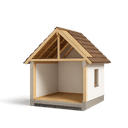
Dwelling
Repairs or rebuilds your home itself, the walls, roof, floors, built-in appliances, and attached structures like a garage, after a covered loss. Set this limit to the full cost of rebuilding, not market value.
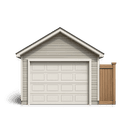
Other Structures
Detached structures on your property, such as a fence, shed, detached garage, or gazebo. Usually set at about 10 percent of your dwelling limit [2].

Personal Property
Your belongings, furniture, clothing, electronics, and appliances, generally written at 50 to 70 percent of your dwelling limit [2]. High-value items like jewelry and art carry special limits.

Additional Living Expenses
Also called loss of use. Pays your added living costs, hotel stays, meals, and a temporary rental, while a covered loss makes your home uninhabitable. Usually set at about 20 percent of your dwelling limit.

Liability
Covers you if someone is injured on your property, or you damage someone else's property, and you are found responsible. The standard $100,000 limit [2] is often raised to $300,000 or $500,000.

Medical Payments
Pays small medical bills, commonly $1,000 to $5,000, if a guest is hurt at your home regardless of fault, without a formal liability claim.
Homeowners Insurance Cost in Nashua
Average Cost in New Hampshire
$75 - $190
per month
In New Hampshire, homeowners insurance premiums typically run $75 - $190 per month, which tends to run 26% below the national range of $110 - $250 per month.
- Home replacement cost, age, and construction type
- Roof age, material, and condition
- ZIP code and local weather risk (wind, hail, wildfire, hurricane)
- Coverage limits and endorsements
- All-peril and percentage wind/hail deductibles
- Claims history and insurance score where allowed
Typical range for many standard homeowners profiles; lower-risk homes fall below it and coastal, wildfire, or older-roof homes can run well above. Final pricing depends on property details, location, underwriting, and selected coverage.
Prices shown are general estimates, not guaranteed rates or quotes. Your actual premium will depend on the insurer, coverage selected, personal details, location, claims history, and other underwriting factors. Learn about our pricing methodology.
New Hampshire's pricing picture is fairly competitive, with most homeowners paying somewhere in the mid-range compared to nearby states. Your final quote reflects differences in dwelling coverage limits, deductibles, claims history, roof age, and policy endorsements. The premium index of 102 suggests prices are close to the national average, not dramatically below it.
Weather drives much of the local pricing. Winter storm risk is rated high, Nor'easter risk is moderate, and flooding is moderate, all of which can affect underwriting and repair costs after a claim. Homes in coastal areas, older homes, or properties with higher reconstruction needs may land toward the upper end of the range. A higher deductible can reduce monthly cost, while stronger dwelling coverage and broader endorsements can raise it. The state's 280 active insurers create options, but the final quote still depends on the property itself, not just the ZIP code.
What Makes Nashua Different
A median home value of $373,100 does not tell you what your house costs to rebuild, but it does signal that many local owners have substantial property value at stake. That means small coverage gaps can turn into large out-of-pocket decisions after a serious claim. The issue matters most when your policy has not been revisited since a remodel, a finished basement, a roof replacement, or a jump in material and labor costs. Instead of treating renewal as automatic, compare your current dwelling limit, ordinance or law coverage, and personal property sublimits against the way you actually use the home now. If you own higher-value electronics, tools, jewelry, or hobby equipment, ask whether standard category limits are enough. Your policy should match the house you actually live in, not the one you originally bought.
Our Recommendation for Nashua
Before requesting quotes, pull out your declarations page and work through four items that tend to drive most coverage decisions. Confirm the dwelling limit first, and ask how the insurer estimates rebuilding cost for your specific home, which matters most if you have updated kitchens, baths, roofing, or finished lower-level space. Then weigh the deductible against your household budget, since some owners prefer to retain more risk for a lower premium while others would rather pay more upfront to avoid a large cash call after a claim. Move on to personal property that often runs into sublimits, such as jewelry, collectibles, business equipment used at home, or tools. Close with water-related losses, including sump overflow or sewer backup if that exposure applies to your property. A useful quote comparison lays out where limits, endorsements, and settlement terms differ side by side, which lets you decide what to adjust before the next renewal notice arrives.
Get Homeowners Insurance in Nashua
Enter your ZIP code to compare homeowners insurance rates from carriers in Nashua, NH.
Home insurance starting at $50/mo
FAQ
Frequently Asked Questions
Nashua lenders usually want a binder or declarations page showing the property address, effective date, dwelling coverage, deductible, and mortgagee information before closing. If your home value is near the city's $373,100 median, review limits carefully so the policy fits the asset you are financing. That figure translates to real money at risk, which means underinsuring could leave you short when you need the funds most.
Owners should usually review dwelling coverage after renovations because upgrades can change rebuilding expectations even if your old limit once looked adequate. A fresh quote review is especially useful after kitchen, bath, roof, or finished-space work.
Hillsborough County has 11,057 business establishments, which means your neighbors include a high concentration of contractors, service firms, and home-based operations that may affect your own liability and property exposures. That density raises the odds of a liability claim crossing onto your property, which makes it smart to review tool, equipment, and liability exposures if business property or frequent vendor visits are part of daily life.
Households often choose deductibles by balancing monthly premium against what they could comfortably pay after a loss. The right deductible is the one your savings can actually absorb without forcing you into debt.
Homes are not all furnished or equipped the same way, so standard personal property limits may fall short for jewelry, collectibles, tools, or home office equipment. Review category sublimits and ask whether scheduled coverage makes more sense for higher-value items.
In New Hampshire, it may help cover dwelling damage, personal property, liability, additional living expenses, other structures, and medical payments, but the exact policy form and endorsements vary by carrier.
Many homeowners see monthly premiums vary based on dwelling coverage, deductibles, claims history, roof condition, and location.
Lenders usually require a policy with enough dwelling coverage to protect the collateral, even though New Hampshire does not legally require homeowners insurance for an owner who has no mortgage.
Sources
- 1.U.S. Census Bureau, ACS 5-Year Estimates, table B25077(Nashua has a median home value of $373,100, so many owners have enough equity tied up in the property that underinsuring the structure or personal property can create a real budget problem after a loss.)
- 2.U.S. Census Bureau, County Business Patterns, Hillsborough County(Hillsborough County has 11,057 business establishments, so many households regularly deal with contractors, service firms, and home-based work setups that can affect tool, equipment, and liability reviews.)
Updated July 16, 2026