Updated July 16, 2026

Key Takeaways
- Compare liquor liability quotes using the same limits and the same description of your alcohol operations, then read exclusions and defense wording before you choose a policy.
- Ask whether assault and battery is included, limited, or excluded, especially if you operate late hours, use security, host events, or manage crowded service areas.
- Document ID checks, server training, incident logs, and cut-off procedures so your application and your claim file both support how you actually operate.
- Review contracts from landlords, venues, and event partners early so you can match liquor liability limits and certificate requirements before binding coverage.
- Separate host liquor questions from true liquor liability needs if alcohol is only furnished occasionally and not part of your regular business revenue.
Liquor Liability Insurance in New Jersey
Alcohol sales mix is often the biggest price driver for liquor liability insurance, because underwriters want to know whether your receipts lean heavily on beer and wine, late night bar service, banquet pours, or a tighter restaurant model with food carrying more of the ticket. That means you should shop with a submission that shows how alcohol is actually sold at your location, not just that you have a license. A neighborhood tavern, wedding venue, bottle shop with tastings, and BYOB-adjacent restaurant all present different serving patterns, staff routines, and closing-time exposures. In New Jersey, that detail matters when you compare quotes, review exclusions, and decide whether your limits fit your lease, vendor agreements, or event work. Before you buy, line up your liquor receipts, hours of alcohol service, security practices, incident procedures, and any off-premises or catered operations. A cleaner application usually produces a more usable quote, and it helps you spot whether a lower premium is coming from stronger underwriting or from narrower terms you may not want.
What Liquor Liability Insurance Covers
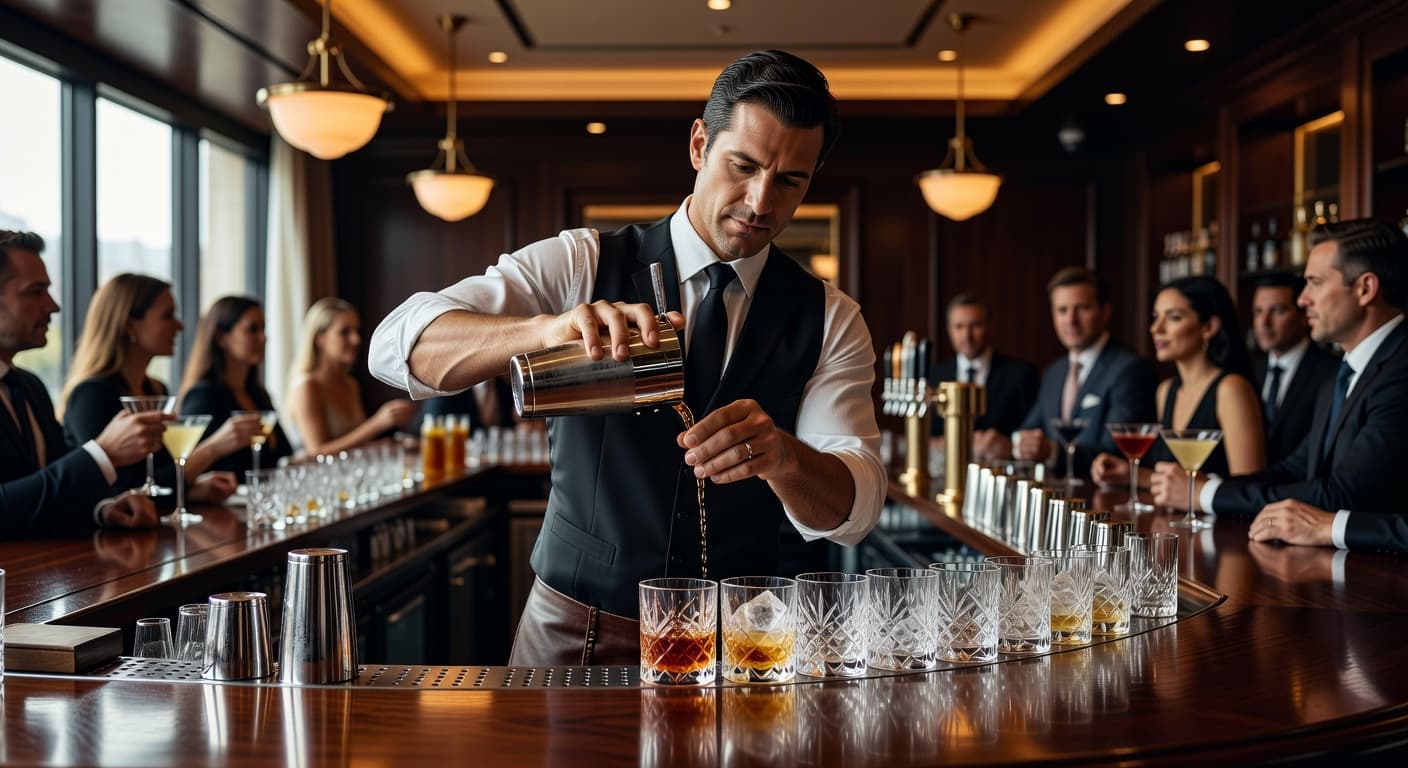
The useful question is not whether a policy exists, but how the form responds to the way you actually sell or serve alcohol. If your operation runs a busy bar program, hosts private events, sends staff to catered functions, or allows managers to move between multiple service areas, you want the quote to show where alcohol is furnished, who is serving it, and whether any off-site activity needs to be scheduled.
Review whether the policy is written for your named entity exactly as it appears on your license, lease, and contracts. If your business uses a management company, owns more than one location, or books events under a separate entity, ask the agent to confirm who is insured and whether additional insured requests can be handled without creating a gap. A certificate that satisfies a landlord is helpful only if the underlying policy matches the way the business is structured.
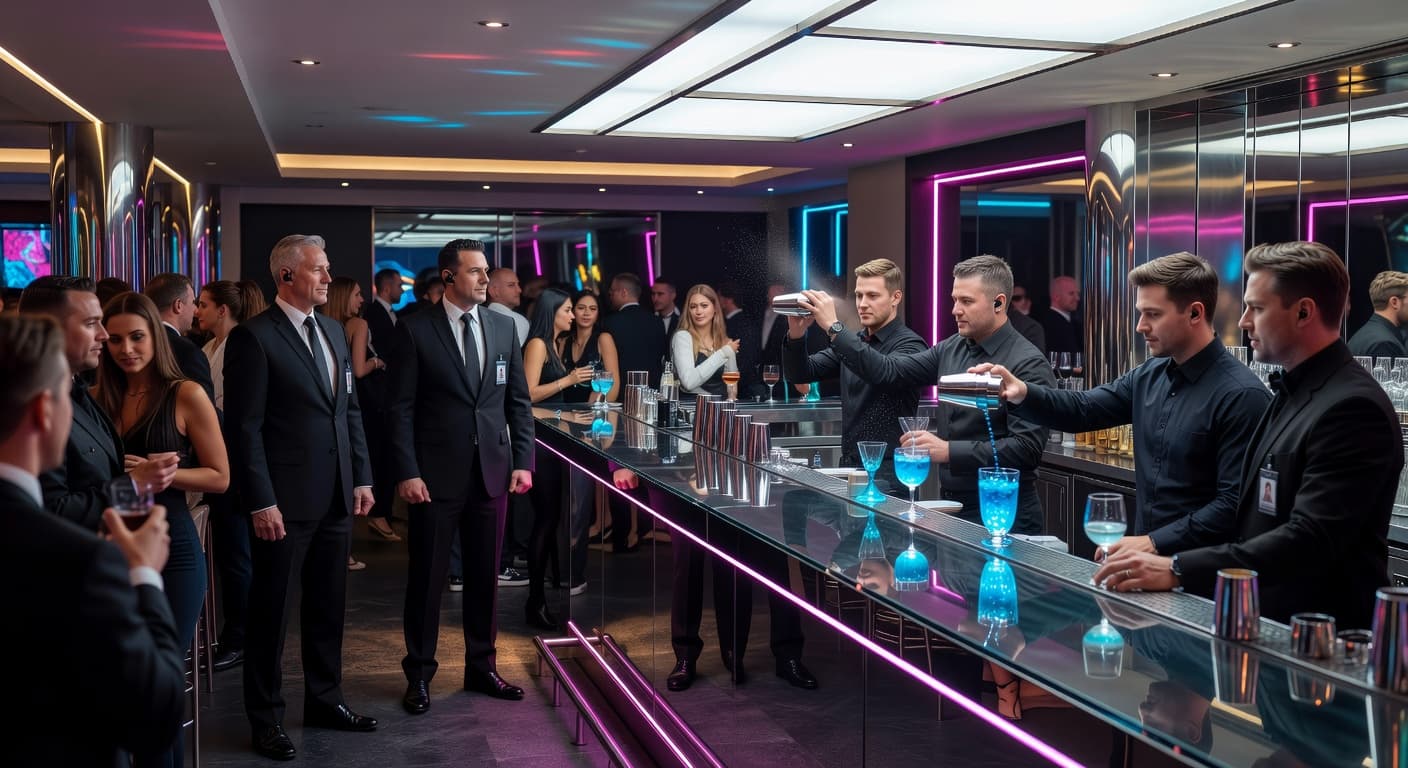
You should also read the exclusions with the same care you give the declarations page. Assault and battery wording, employee conduct exclusions, weapons exclusions, and conditions tied to age verification or security procedures can change how a claim is handled. If you use bouncers, door staff, wristbands, drink tickets, or event-specific bartenders, say so up front and ask how those controls affect the form.
Claims handling language matters too. Ask whether defense is inside or outside the limit, how deductibles or self-insured retentions apply, and whether incidents tied to temporary events, tastings, or promotional nights are addressed by the policy. Those details help you compare two quotes that may look similar on price but respond very differently after an alcohol-related allegation.

Bodily Injury Liability
Can help cover injuries an intoxicated patron causes to others after your business served or sold them alcohol.

Property Damage Liability
May pay for property damage caused by an intoxicated customer your establishment served, such as a car crash after leaving.
Assault & Battery
Can help cover claims arising from fights or physical altercations involving intoxicated patrons at your bar or restaurant.

Defense Costs
May pay for attorneys, court fees, and related legal expenses when your business is sued over an alcohol-related incident.

Host Liquor Liability
Can help cover alcohol-related claims from events where you host or serve drinks without selling them, like company parties.
Liquor Liability Insurance Requirements in New Jersey
- New Jersey venues often juggle regular restaurant service and private event work under one roof, which means a single policy has to handle both patterns of alcohol service.
- If your business serves alcohol at catered functions or temporary event spaces, ask whether those locations must be specifically scheduled.
- Shore-town seasonal spikes and year-round banquet traffic can shift your risk profile quickly, so review certificate requirements before the event calendar fills up.
- Businesses with door staff, security contractors, or entertainment nights should read exclusion wording carefully, because a lower-priced form may quietly drop the coverage that matters most during peak season.
How Much Does Liquor Liability Insurance Cost in New Jersey?
Average Cost in New Jersey
$60 - $260
per month
Businesses in New Jersey typically see liquor liability insurance premiums of $60 - $260 per month, which tends to run 10% above the national range of $50 - $240 per month.
- Share of sales that comes from alcohol
- Type of venue and how late you serve
- Server training and service procedures
- State dram shop law
- Liquor liability limits selected
- Prior over-service or assault claims
Contact CPK Insurance for a personalized quote.
For New Jersey buyers, cost usually moves with alcohol revenue, operating hours, entertainment profile, prior incidents, and whether your business looks more like a restaurant, tavern, nightclub, banquet hall, brewery taproom, or package store with tastings. Your actual premium depends on those factors, your limits, deductible structure, and how the carrier views your controls. A quiet dining room may sit near the low end while a late-night venue with entertainment could run several times higher, so budget for the spread rather than a single number. Treat that as a broad market range, not a promise, because two businesses on the same block can price very differently if one runs late-night promotions and the other closes after dinner service.
Underwriters usually want a clear picture of your receipts split, not just total sales. If alcohol is a larger share of revenue, expect closer review of service practices, ID checks, staff training, and incident logs. Live music, dance floors, security contractors, bottle service, and special events can also push pricing because they change crowd behavior and claim severity potential. A venue that hosts private parties every weekend should expect different questions than a dining room that pours wine with meals.
The fastest way to get a usable quote is to submit complete operating details the first time. Include your alcohol percentage, latest sales figures, hours of service, occupancy, entertainment schedule, security setup, and any prior cancellations or claims. If you cater, deliver, or serve at festivals, mention that before binding, not after.
When you compare options, do not judge the quote by premium alone. Check the limit offered, exclusions, deductible, defense treatment, and whether the policy addresses your actual operations. A lower number can still cost more if it leaves out the exposures that drive your business.
Prices shown are general estimates, not guaranteed rates or quotes. Your actual premium will depend on the insurer, coverage selected, business details, location, claims history, and other underwriting factors. Learn about our pricing methodology.
Request a Quote Comparison
Enter your ZIP code to compare liquor liability insurance rates from top carriers.
Business insurance starting at $25/mo
Who Needs Liquor Liability Insurance?
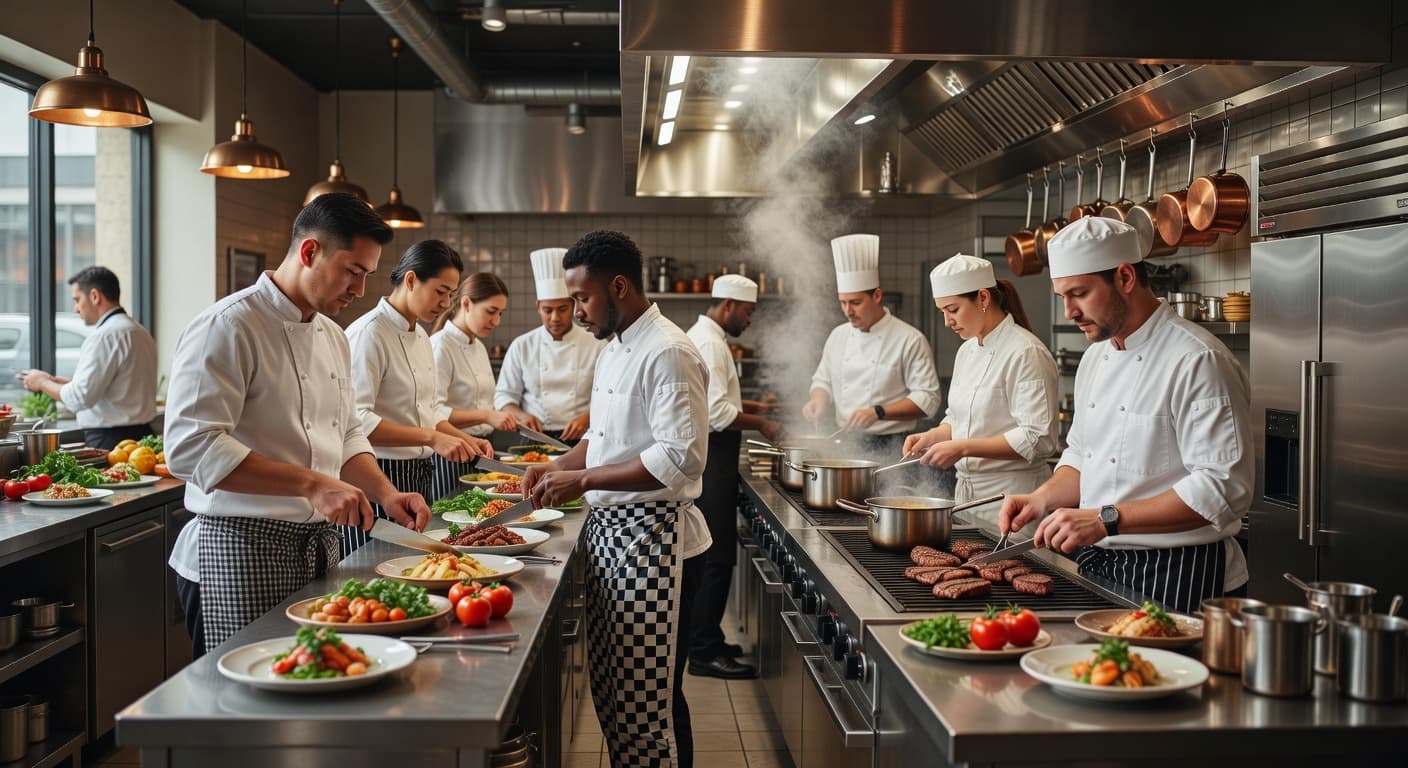
This coverage deserves a close look if alcohol is part of how you make money, attract customers, or fulfill a contract. That includes bars, restaurants, taverns, banquet halls, wedding venues, breweries with taprooms, wineries with tasting rooms, clubs, caterers, and retailers that host sampling events. What matters is whether a claim could name your business after an incident involving alcohol.
You may also need to review it if another party expects proof before work starts. Landlords, lenders, event hosts, municipalities, and private venues often ask for certificates, specific limits, or additional insured status. If you book weddings, corporate functions, street fairs, or seasonal events, those requests can arrive late in the process, so it helps to know in advance whether your policy can accommodate them.
Businesses with mixed operations should be especially careful. A restaurant that occasionally closes for private parties, a market that adds tastings, or a venue that brings in guest bartenders can outgrow a simple insurance setup without realizing it. The exposure changes as soon as alcohol service expands beyond the routine pattern shown on the original application.
Even if your alcohol sales are modest, the review still matters when service is concentrated into busy windows, such as weekend nights, game days, holiday parties, or banquet schedules. Those are the moments when staffing, age verification, crowd control, and transportation practices matter most to an underwriter.
If you are unsure whether your operation fits, gather your lease, event contracts, and current certificate requests. That approach usually surfaces the real need faster than trying to classify the business by label alone.
Liquor Liability Insurance by City in New Jersey
Liquor Liability Insurance rates and coverage options can vary across New Jersey. Select your city below for localized information:
How to Buy Liquor Liability Insurance
Start with the paperwork that already governs your operation: your current insurance policies, lease, liquor-related licensing documents, event contracts, vendor agreements, and any certificate requirements from landlords or venues. Those documents tell you what names, locations, limits, and endorsements the quote needs to address. If the legal entity on the application does not match the entity on the lease or license, fix that before you bind.
Next, build a clean operating summary for the agent. Include your business type, annual sales, estimated alcohol receipts, hours of alcohol service, entertainment schedule, occupancy, security procedures, ID-check process, and whether you host private events or serve off premises. If you use third-party security, temporary bartenders, or outside promoters, disclose that early. Underwriters price uncertainty, so missing details can slow the quote or narrow the terms.
Then ask for side-by-side comparisons, not just a single option. You want to review limits, deductibles, exclusions, defense treatment, additional insured availability, and whether the form addresses tastings, catered events, or temporary service locations. If a quote is materially cheaper, ask what changed. Sometimes the answer is favorable underwriting. Sometimes it is a restriction you would rather know about now.
Before binding, confirm the insurer is regulated by the New Jersey Department of Banking and Insurance, and read the specimen wording or coverage summary for the exclusions most likely to affect your operation. Then request certificates exactly as your landlord, venue, or client requires, so you are not revising paperwork on the day service begins. To get matched with participating licensed providers for your quote, submit your operating details through our marketplace.
How to Save on Liquor Liability Insurance
The safest way to lower liquor liability cost is to make your operation easier for an underwriter to understand and defend. Start by tightening the application. Separate food and alcohol receipts clearly, describe your actual closing times, and explain whether entertainment is occasional or routine. A vague submission often gets priced for the worst version of your business.
Operational controls can also help your quote hold up. Document ID-check procedures, staff intervention steps, incident reporting, manager escalation, and how you handle intoxication concerns, ride-share calls, or cutoffs. If you use security, note whether they are in-house or contracted and how they are deployed on higher-traffic nights. Those details do not guarantee a lower premium, but they often improve underwriting confidence.
You can also save by matching the policy to the exposure instead of overinsuring the wrong things. A restaurant with limited bar service may not need the same structure as a late-night venue with entertainment and a dance floor. On the other hand, buying a stripped-down form to save money can backfire if your lease, event contracts, or service model require broader terms. Compare the total package, not just the invoice.
Administrative discipline matters more than many owners expect. Keep loss runs ready, answer underwriting questions quickly, and review changes in operations before renewal. If you add tastings, private events, or off-site service during the year, report that change before a claim tests the policy.
Finally, shop before the renewal deadline, while there is still time to correct classifications, update receipts, and negotiate certificate language. Last-minute quoting usually leaves fewer options and less room to fix avoidable pricing issues.
Our Recommendation for New Jersey
For New Jersey buyers, the strongest move is to treat liquor liability as an operations review, not a box to check. Start with your busiest alcohol-service scenario, not your average week. If your real exposure shows up during wedding season, shore-town weekends, holiday parties, or late-night sports traffic, build the quote around that pattern so the policy is tested against the nights that matter.
Ask for a line-by-line review of exclusions that could affect service, security, and event work. If your business uses promoters, guest bartenders, private room rentals, or temporary bars, get those facts into the submission early. A policy that looks acceptable for routine restaurant service may respond differently once entertainment, crowd control, or off-premises pouring enters the picture.
Keep your entity names consistent across the application, license, lease, and certificates. That sounds administrative, but it is one of the easiest ways to avoid delays when a landlord or venue asks for proof of coverage.
Before renewal, compare your current alcohol receipts, hours, and event activity against last year's application. If the business changed, update the file before you shop. That gives you a cleaner comparison and a better chance of buying terms that fit the way you operate now, not the way you operated a year ago.
FAQ
Frequently Asked Questions
Restaurants with modest alcohol sales can still need a policy review if service spikes during weekends, private parties, or banquet bookings. The key issue is how alcohol is furnished during those higher-risk periods, and whether your lease or event contracts require proof of coverage.
Banquet halls and wedding venues should quote the policy around their event schedule, bar setup, staffing, and certificate requirements. A venue that relies on private functions needs the form to address temporary bars, outside vendors, and additional insured requests before contracts are signed.
Businesses with a BYOB element should not assume that arrangement solves every alcohol-related exposure. The answer depends on who furnishes alcohol, how service is managed, what contracts require, and whether your existing liability program leaves any gap around alcohol allegations.
Bar and tavern applications are stronger when they show alcohol receipts, hours of service, entertainment, occupancy, security practices, and prior incidents clearly. That detail helps you compare quotes on terms, not just price, and reduces the chance of surprises during underwriting.
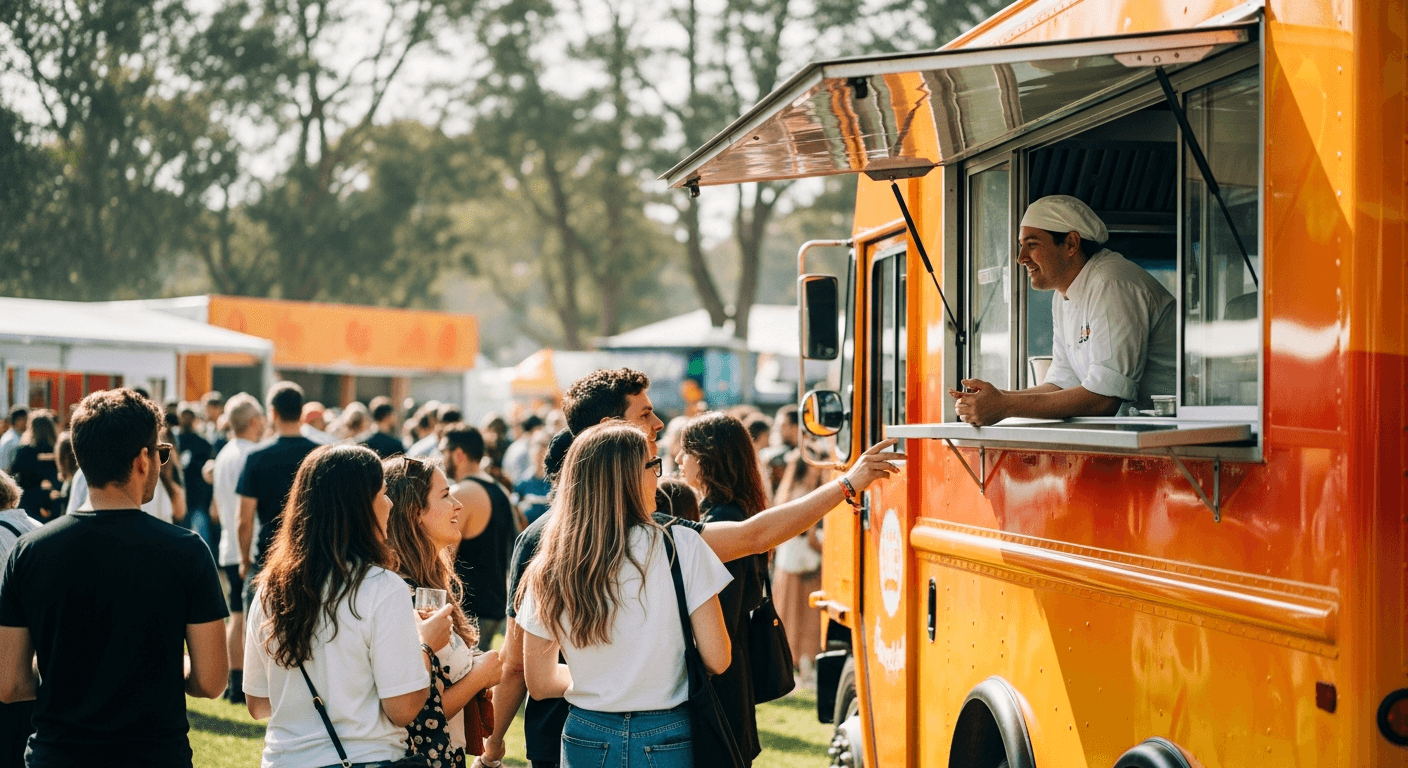
Off-site service can require closer review because catered events and festival pours may not fit a standard location-based submission. Tell the agent where alcohol is served, who is pouring, and whether temporary event spaces need to be scheduled before coverage is bound.
Quotes can separate quickly when carriers view alcohol percentage, late-night operations, entertainment, security, and prior incidents differently. One quote may also include narrower exclusions or different defense treatment, so compare the form language before deciding that the lower premium is the better buy.
Insurance companies are regulated by the New Jersey Department of Banking and Insurance, so you should confirm the insurer and policy form fit your operation before binding. That is especially important when a lease, venue, or client asks for specific certificate wording.
U.S. businesses that sell, serve, or distribute alcohol should review liquor liability insurance. That usually includes bars, restaurants, breweries, wineries, liquor stores, caterers, hotels, and event venues, especially when alcohol service is part of normal operations rather than an occasional event.
Sources
- 1.New Jersey Department of Banking and Insurance(New Jersey insurance companies are regulated by the New Jersey Department of Banking and Insurance.)
Updated July 16, 2026