







































Updated July 5, 2026

Car Insurance in Jersey City
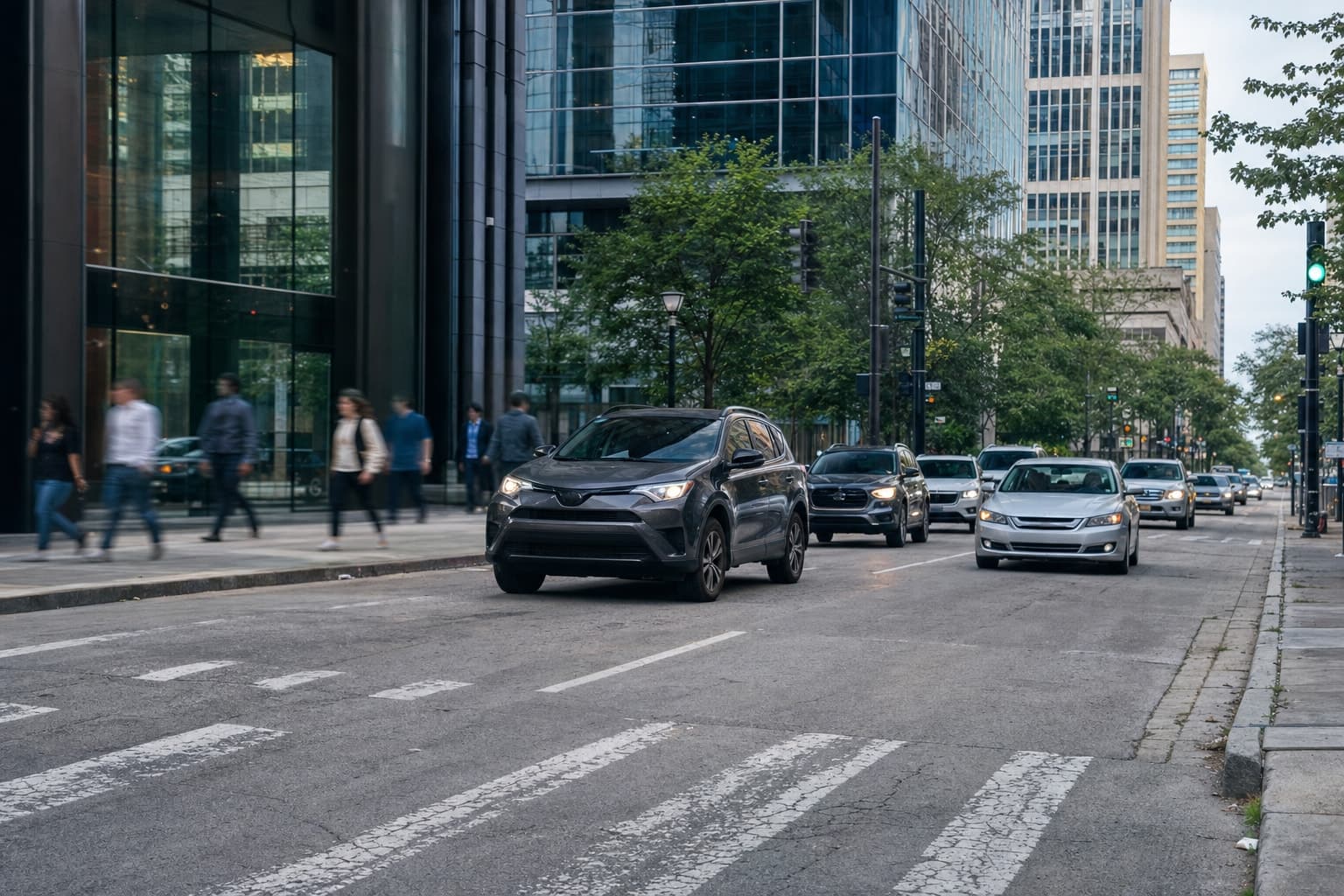
Density is the sharpest difference here. A car insurance in Jersey City quote usually turns less on long highway mileage and more on where your car sits, how often you move it, and whether your week mixes short neighborhood trips with crowded approaches to the Holland Tunnel, Route 139, and the Turnpike Extension. That changes what you should review before you buy. If you park on the street in Downtown, the Heights, Journal Square, or Bergen-Lafayette, ask how your deductible feels for low-speed body damage, broken glass, and theft-related claims, not just major crashes. If you keep a newer vehicle in a garage and drive less often, the conversation can shift toward protecting the car's value without overbuying extras you may not use. Review liability, uninsured and underinsured motorist protection, rental reimbursement, and towing based on how you actually park, commute, and replace a vehicle after a loss. Then compare quotes using the same limits and deductibles so the differences are real.
New Jersey has a moderate climate risk rating. Top hazards: Hurricane (High), Flooding (High), Nor'easter (High), Severe Storm (Moderate). The state's expected annual loss from natural hazards is $1.6B, which influences car insurance premiums and may affect coverage availability in high-risk areas.
What Car Insurance Covers
Car insurance in New Jersey is built around a few core protections. Liability is the foundation because it may respond when you are responsible for injuries or damage to others in an accident, and state requirements should be checked carefully since minimums and coverage choices can vary by policy and use. Collision is designed for damage to your own vehicle after a crash. Comprehensive can help cover non-collision losses such as theft, weather, and other covered events that matter in a state with high storm and flooding exposure. Uninsured motorist coverage is especially relevant because roughly one in seven drivers on the road has no coverage, which means a claim can involve another driver who may not have enough protection. Medical payments coverage can help with medical expenses after an accident, and rental car coverage can help keep you mobile while your vehicle is being repaired, depending on your policy. Coverage details, endorsements, and limits vary by carrier, so the policy language matters as much as the label on the coverage. The New Jersey Department of Banking and Insurance regulates the market, and that makes it important to confirm the exact coverages, deductibles, and exclusions before you bind a policy.
Coverage Included

Liability
Can help pay for injuries and property damage you cause to others in an accident, coverage most states require drivers to carry.
Collision
Can help pay to repair or replace your car after a crash with another vehicle or object, regardless of fault.

Comprehensive
Typically covers damage to your car from events other than collisions, such as theft, hail, fire, flooding, or hitting an animal.

Uninsured Motorist
May pay for your injuries and, in some states, car damage when an at-fault driver has no insurance or too little.

Medical Payments
Can help cover medical bills for you and your passengers after an accident, no matter who was at fault.
Rental Reimbursement
May pay for a rental car while your vehicle is in the shop for repairs after a covered claim.
Car Insurance Cost in Jersey City
Average Cost in New Jersey
$120 - $300
per month
In New Jersey, car insurance premiums typically run $120 - $300 per month, which tends to run 24% above the national range of $110 - $230 per month.
- Driving record and age
- Vehicle make, model, and year
- Location and commute distance
- Credit-based insurance score
- Coverage limits and deductibles
Contact CPK Insurance for a personalized quote.
Prices shown are general estimates, not guaranteed rates or quotes. Your actual premium will depend on the insurer, coverage selected, personal details, location, claims history, and other underwriting factors. Learn about our pricing methodology.
Premiums in New Jersey tend to run higher than in many other states, so you should expect to pay more here than in several other states. New Jersey also has a competitive market with many carriers, which means a quote can vary widely from one to another even for the same driver. Crash frequency and claim severity in the state mean carriers are pricing for real loss exposure. The top crash causes included impaired driving, reckless driving, failure to yield, running red lights or stop signs, and weather conditions, which is why carriers weigh your driving record so heavily when setting your rate. Weather exposure is another factor because coastal storms and flooding create added comprehensive coverage pressure in many parts of the state, especially in coastal and low-lying areas. Premiums may also reflect where you live and drive, such as dense corridors around Newark, Jersey City, Trenton, or Camden versus less congested areas. If you want to reduce your premium, the strongest levers are usually choosing the right deductible, keeping claims clean, and comparing quotes from multiple carriers in the state market.
Industries & Insurance Needs in Jersey City
Work patterns in Hudson County can change how you use your car, and that should shape the quote. The county has 14,194 business establishments, with retail trade at 14.7%, accommodation and food services at 12.1%, and health care and social assistance at 11.3%. So many drivers here use their vehicles around shift work, customer-facing jobs, and irregular hours rather than a simple weekday office commute. That matters because late closings, early openings, split shifts, and frequent short trips can change where you park, when you drive, and how often your car sits unattended near busy commercial areas. If your schedule includes restaurant work, retail management, home health visits, or rotating clinical hours, tell the agent exactly when and why you drive. You want the policy built around real use, not a generic commute pattern that leaves gaps when a claim adjuster reviews the loss details.
What Makes Jersey City Different
Density is the one factor that changes the buying calculus most. In many places, the main question is how much road time you log. Here, the better question is how concentrated your exposure is during parking, merging, and short urban trips. A vehicle that moves only a few miles can still face frequent claim opportunities if it is parked on the street, boxed into tight spaces, or used at peak times around tunnel and turnpike approaches. That is why a local comparison should focus less on broad mileage assumptions and more on claim friction: how fast you could absorb a deductible, whether you can be without the car for several days, and whether your liability limits still make sense if another driver's injuries or property damage exceed a basic threshold. If you lease or finance, confirm the lender's physical damage requirements. If you own the car outright, decide whether collision and comprehensive still fit the vehicle's value and your savings, then quote both ways before renewing.
Our Recommendation for Jersey City
Start with your parking reality. If the car lives on the street most nights, ask for side-by-side quotes with at least two deductible choices so you can see whether a lower out-of-pocket burden is worth the premium difference. Next, match liability limits to your household finances. Many drivers here have earnings and assets that make bare-minimum thinking risky after a serious claim. If your car is newer, leased, or expensive to repair, review collision, comprehensive, rental reimbursement, and glass handling together rather than one by one. If you drive less because you use transit part of the week, do not assume the lowest-premium structure is automatically the right one, low mileage does not erase parking and congestion exposure. Finally, give the quote request a precise use profile, including commute pattern, overnight parking, other household drivers, and whether the car is used for any work-related errands. Cleaner underwriting details usually produce a more dependable comparison.
Get Car Insurance in Jersey City
Enter your ZIP code to compare car insurance rates from carriers in Jersey City, NJ.
Car insurance starting at $59/mo
FAQ
Frequently Asked Questions
Jersey City drivers should compare liability limits, deductibles, and parking-related coverages first. Here, street parking and dense traffic can make collision, comprehensive, rental reimbursement, and glass claims more relevant than a simple mileage estimate suggests.
Jersey City street parking can change the value of collision and comprehensive because many losses start while the car is parked or maneuvering in tight spaces. Review deductible options carefully so a smaller claim does not become a budget problem.
Hudson County has 14,194 business establishments, with large shares in retail, food service, and health care, so many local drivers work irregular hours. Tell the agent when and why you drive, because shift patterns can change real exposure.
Jersey City households often have more income and assets to protect after a serious crash. That makes it worth reviewing whether your current liability limits still fit your financial picture.
Jersey City drivers should decide that by comparing the car's value, your savings, and your parking setup. If the vehicle is older but still costly to replace, dense parking conditions can still justify physical damage coverage.
In New Jersey, your policy is usually built from liability, collision, comprehensive, uninsured motorist, medical payments, and rental reimbursement options. Liability can help cover injuries or damage you cause to others, while collision and comprehensive focus on your own vehicle. Medical payments can help with accident-related medical costs, and rental reimbursement can help you stay mobile while repairs are underway.
The state is regulated by the New Jersey Department of Banking and Insurance, and coverage requirements should be confirmed on your specific policy. Personal auto quotes should be reviewed separately because needs vary by driver, vehicle, and use. Commercial auto minimums may apply differently, so confirm current requirements with a participating licensed provider.
Monthly cost varies widely in New Jersey. Your actual quote depends on coverage limits, deductibles, claims history, location, vehicle type, and policy endorsements, so two drivers in the same city can still receive different prices.
Sources
- 1.U.S. Census Bureau, County Business Patterns, Hudson County(The county has 14,194 business establishments, with retail trade at 14.7%, accommodation and food services at 12.1%, and health care and social assistance at 11.3%.)
Updated July 5, 2026





