Updated July 16, 2026

Homeowners Insurance in Jersey City
Jersey City buyers often shop in a tighter local market than they expect. Carrier appetite can narrow quickly by building type, renovation status, prior claims, and whether the home is a brownstone, condo unit, or attached rowhouse. The fastest path is usually a quote request built around the property details you can document. That means having your square footage, roof age, electrical and plumbing updates, and any condo or association documents ready before you compare options. Local home values also raise the stakes, since a median home value of $534,500 leaves less room for underinsurance when repair costs climb. Replacement-cost assumptions deserve a line-by-line look, because a generic estimate can fall short of what local construction actually costs. If your household budget is already carrying a lot, that matters too, so many owners need a policy structure that protects equity without adding optional endorsements they are unlikely to use. The right starting point is a quote built around how the home is actually occupied and maintained.
New Jersey has a moderate climate risk rating. Top hazards: Hurricane (High), Flooding (High), Nor'easter (High), Severe Storm (Moderate). The state's expected annual loss from natural hazards is $1.6B, which influences homeowners insurance premiums and may affect coverage availability in high-risk areas.
What Homeowners Insurance Covers
Your homeowners policy is built around core protections, and local risk shapes how you should structure them. Dwelling coverage pays to repair or rebuild the home itself after a covered loss. Local construction costs and labor rates mean replacement cost can be meaningfully different from the price you paid for the house in places like Trenton, Montclair, or Red Bank.
Personal property coverage helps replace belongings after covered theft or fire. Liability coverage matters if someone is injured on your property, and additional living expenses coverage can help with temporary housing if a covered loss makes the home unlivable.
Standard policies generally exclude flood damage, so flood coverage is usually handled separately through NFIP or private flood insurers. That exclusion is critical because New Jersey faces high hurricane, flooding, and nor'easter risk. Recent severe weather events have included flash flooding, coastal storm surge, and nor'easters that caused widespread property damage. Wind or hurricane deductibles may also apply separately in coastal areas, so the deductible structure can differ from a standard all-peril claim.
Other structures coverage and medical payments coverage are also part of the typical policy structure, but the exact terms depend on the carrier and endorsements you choose. Because the New Jersey Department of Banking and Insurance regulates the market, policy language and endorsements should be reviewed carefully before you bind coverage.
Coverage Included

Dwelling
Repairs or rebuilds your home itself, the walls, roof, floors, built-in appliances, and attached structures like a garage, after a covered loss. Set this limit to the full cost of rebuilding, not market value.
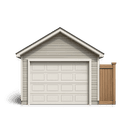
Other Structures
Detached structures on your property, such as a fence, shed, detached garage, or gazebo. Usually set at about 10 percent of your dwelling limit [2].

Personal Property
Your belongings, furniture, clothing, electronics, and appliances, generally written at 50 to 70 percent of your dwelling limit [2]. High-value items like jewelry and art carry special limits.

Additional Living Expenses
Also called loss of use. Pays your added living costs, hotel stays, meals, and a temporary rental, while a covered loss makes your home uninhabitable. Usually set at about 20 percent of your dwelling limit.

Liability
Covers you if someone is injured on your property, or you damage someone else's property, and you are found responsible. The standard $100,000 limit [2] is often raised to $300,000 or $500,000.

Medical Payments
Pays small medical bills, commonly $1,000 to $5,000, if a guest is hurt at your home regardless of fault, without a formal liability claim.
Homeowners Insurance Cost in Jersey City
Average Cost in New Jersey
$90 - $240
per month
In New Jersey, homeowners insurance premiums typically run $90 - $240 per month, which tends to run 8% below the national range of $110 - $250 per month.
- Home replacement cost, age, and construction type
- Roof age, material, and condition
- ZIP code and local weather risk (wind, hail, wildfire, hurricane)
- Coverage limits and endorsements
- All-peril and percentage wind/hail deductibles
- Claims history and insurance score where allowed
Typical range for many standard homeowners profiles; lower-risk homes fall below it and coastal, wildfire, or older-roof homes can run well above. Final pricing depends on property details, location, underwriting, and selected coverage.
Prices shown are general estimates, not guaranteed rates or quotes. Your actual premium will depend on the insurer, coverage selected, personal details, location, claims history, and other underwriting factors. Learn about our pricing methodology.
The cost of homeowners insurance in New Jersey is shaped by both property values and the state's exposure to weather losses. New Jersey is a higher-cost market overall, meaning you can expect to pay more for coverage than you would in many other states.
That combination usually means some homes can be priced competitively while others, especially in higher-risk coastal or storm-exposed locations, can see much higher quotes. Local construction costs and labor rates have a high impact, and rebuilding needs can be higher than many owners expect.
Claims history in the area, local crime rates, age and condition of the dwelling, and credit-based insurance score all affect pricing. Your credit-based insurance score is a rating factor derived from elements of your credit history, and carriers use it alongside claims and property data to help set your premium. The market is large, so quote comparisons can vary widely by underwriting appetite. Coastal homes may also face separate wind or hurricane deductibles, which can change the out-of-pocket cost even if the monthly premium looks reasonable. When comparing costs, look at the full package: premium, dwelling limit, deductible, endorsements, and whether flood coverage must be purchased separately.
What Affects Homeowners Insurance Rates in Jersey City
Coverage decisions here can move more dollars than buyers expect. Higher property values do not automatically mean the same thing as rebuilding cost, but they do signal that underinsuring the structure or skipping key endorsements can leave a larger financial gap after a serious loss. Affordability still matters for many owners balancing mortgage payments, taxes, and maintenance. That is why a useful quote review focuses on tradeoffs: higher deductibles versus lower premiums, replacement cost versus actual cash value where available, and whether scheduled personal property or water backup coverage fits the way you live. Instead of shopping on premium alone, ask the agent to show which line items are driving the price and which changes would reduce cost without cutting into the protections you are most likely to use.
What Makes Jersey City Different
In a dense urban housing market, a homeowners policy has to fit not just your house or unit, but also the way your property connects to neighboring structures, associations, contractors, and building rules. That affects how you review dwelling limits, liability, loss assessment, and responsibility for common elements or shared walls. It also affects claims handling after a loss, because repairs often involve access issues, permits, association coordination, and contractors working around occupied neighboring properties. Hudson County has 14,194 business establishments, with retail trade at 14.7%, accommodation and food services at 12.1%, and health care and social assistance at 11.3%. Roughly one in three local businesses is retail or food service, so a lot of owners here keep nontraditional schedules and prefer handling quotes through documents rather than phone tag. Pull your property records together early and request a quote that reflects how the building is actually owned, occupied, and maintained.
Our Recommendation for Jersey City
Your ownership form sets the direction for the review, so begin there. If you own a detached or attached house, take it one step at a time. Confirm the dwelling valuation method first, then ask how ordinance or law treatment works, and finally request pricing on detached structures and water backup so you can see what each adds. If you own a condo, the association may cover the building shell while your unit policy handles interior improvements, fixtures, appliances, and loss assessment. Request a side-by-side comparison of the master policy and your unit policy rather than relying on assumptions about where one ends and the other begins. For older homes, have the year and scope of electrical, plumbing, roof, and heating updates ready, because incomplete renovation details can slow underwriting or produce a quote that does not match the real risk. If you work long hours or travel often, ask how vacancy, short-term occupancy changes, or delayed maintenance reporting could affect a claim. Before you bind, sit down with the declarations page alongside your closing documents or association paperwork and flag anything that seems vague or boilerplate.
Get Homeowners Insurance in Jersey City
Enter your ZIP code to compare homeowners insurance rates from carriers in Jersey City, NJ.
Home insurance starting at $50/mo
FAQ
Frequently Asked Questions
Having your roof age, square footage, update history, and ownership documents ready helps the quote move faster and land closer to your real exposure. If the home is a condo or attached property, include association paperwork or shared-structure details so the quote matches the actual risk.
Jersey City condo owners usually should. The local housing mix makes it important to check where the master policy stops and your responsibility starts, especially for interior improvements, fixtures, appliances, and loss assessment after a shared-building claim.
Jersey City has a median home value of $534,500. At that level, even a modest shortfall in dwelling limits or related endorsements can translate into thousands of dollars out of pocket after a major loss. Ask for a line-by-line review of valuation assumptions before binding.
Hudson County has 14,194 business establishments, with large shares in retail, food service, and health care. Many of those owners work evenings and weekends, so a document-based quote process can fit more easily into a full schedule than repeated phone calls.
When monthly costs are already tight, the goal is keeping the coverage that does real work at claim time and trimming endorsements that rarely pay off in your situation. Review deductible options and optional endorsements one by one instead of choosing the lowest premium first.
A standard policy typically includes dwelling, personal property, liability, additional living expenses, other structures, and medical payments, but whether a specific loss is covered depends entirely on your policy terms, the carrier, and the endorsements you select.
You should aim for enough dwelling coverage to rebuild your home at current local construction costs, which matters because labor and materials can raise replacement cost above the home's market value.
Yes, mortgage lenders usually require it, even though New Jersey does not legally require every homeowner to buy a policy before taking ownership of the property.
Sources
- 1.U.S. Census Bureau, ACS 5-Year Estimates, table B25077(Jersey City has a median home value of $534,500.)
- 2.U.S. Census Bureau, County Business Patterns, Hudson County(Hudson County has 14,194 business establishments, with retail trade at 14.7%, accommodation and food services at 12.1%, and health care and social assistance at 11.3%.)
Updated July 16, 2026