Updated July 16, 2026

Homeowners Insurance in Paterson
Paterson is a tighter insurance shopping market than many larger New Jersey cities. Your options can narrow faster based on house condition, prior claims, and how complete your application looks. Getting your property details organized before you compare quotes can save you time and frustration.
New Jersey has a moderate climate risk rating. Top hazards: Hurricane (High), Flooding (High), Nor'easter (High), Severe Storm (Moderate). The state's expected annual loss from natural hazards is $1.6B, which influences homeowners insurance premiums and may affect coverage availability in high-risk areas.
What Homeowners Insurance Covers
Your homeowners policy is built around core protections, and local risk shapes how you should structure them. Dwelling coverage pays to repair or rebuild the home itself after a covered loss. Local construction costs and labor rates mean replacement cost can be meaningfully different from the price you paid for the house in places like Trenton, Montclair, or Red Bank.
Personal property coverage helps replace belongings after covered theft or fire. Liability coverage matters if someone is injured on your property, and additional living expenses coverage can help with temporary housing if a covered loss makes the home unlivable.
Standard policies generally exclude flood damage, so flood coverage is usually handled separately through NFIP or private flood insurers. That exclusion is critical because New Jersey faces high hurricane, flooding, and nor'easter risk. Recent severe weather events have included flash flooding, coastal storm surge, and nor'easters that caused widespread property damage. Wind or hurricane deductibles may also apply separately in coastal areas, so the deductible structure can differ from a standard all-peril claim.
Other structures coverage and medical payments coverage are also part of the typical policy structure, but the exact terms depend on the carrier and endorsements you choose. Because the New Jersey Department of Banking and Insurance regulates the market, policy language and endorsements should be reviewed carefully before you bind coverage.
Coverage Included
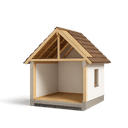
Dwelling
Repairs or rebuilds your home itself, the walls, roof, floors, built-in appliances, and attached structures like a garage, after a covered loss. Set this limit to the full cost of rebuilding, not market value.
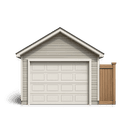
Other Structures
Detached structures on your property, such as a fence, shed, detached garage, or gazebo. Usually set at about 10 percent of your dwelling limit [2].

Personal Property
Your belongings, furniture, clothing, electronics, and appliances, generally written at 50 to 70 percent of your dwelling limit [2]. High-value items like jewelry and art carry special limits.

Additional Living Expenses
Also called loss of use. Pays your added living costs, hotel stays, meals, and a temporary rental, while a covered loss makes your home uninhabitable. Usually set at about 20 percent of your dwelling limit.

Liability
Covers you if someone is injured on your property, or you damage someone else's property, and you are found responsible. The standard $100,000 limit [2] is often raised to $300,000 or $500,000.

Medical Payments
Pays small medical bills, commonly $1,000 to $5,000, if a guest is hurt at your home regardless of fault, without a formal liability claim.
Homeowners Insurance Cost in Paterson
Average Cost in New Jersey
$90 - $240
per month
In New Jersey, homeowners insurance premiums typically run $90 - $240 per month, which tends to run 8% below the national range of $110 - $250 per month.
- Home replacement cost, age, and construction type
- Roof age, material, and condition
- ZIP code and local weather risk (wind, hail, wildfire, hurricane)
- Coverage limits and endorsements
- All-peril and percentage wind/hail deductibles
- Claims history and insurance score where allowed
Typical range for many standard homeowners profiles; lower-risk homes fall below it and coastal, wildfire, or older-roof homes can run well above. Final pricing depends on property details, location, underwriting, and selected coverage.
Prices shown are general estimates, not guaranteed rates or quotes. Your actual premium will depend on the insurer, coverage selected, personal details, location, claims history, and other underwriting factors. Learn about our pricing methodology.
The cost of homeowners insurance in New Jersey is shaped by both property values and the state's exposure to weather losses. New Jersey is a higher-cost market overall, meaning you can expect to pay more for coverage than you would in many other states.
That combination usually means some homes can be priced competitively while others, especially in higher-risk coastal or storm-exposed locations, can see much higher quotes. Local construction costs and labor rates have a high impact, and rebuilding needs can be higher than many owners expect.
Claims history in the area, local crime rates, age and condition of the dwelling, and credit-based insurance score all affect pricing. Your credit-based insurance score is a rating factor derived from elements of your credit history, and carriers use it alongside claims and property data to help set your premium. The market is large, so quote comparisons can vary widely by underwriting appetite. Coastal homes may also face separate wind or hurricane deductibles, which can change the out-of-pocket cost even if the monthly premium looks reasonable. When comparing costs, look at the full package: premium, dwelling limit, deductible, endorsements, and whether flood coverage must be purchased separately.
What Affects Homeowners Insurance Rates in Paterson
Paterson buyers often feel the budget tradeoff more directly than owners in higher-income markets. The city’s median household income is $53,766, so a homeowners quote review should test how deductible changes affect both premium and out-of-pocket risk after a loss. A lower premium can look attractive until you compare it against what you could realistically absorb for a roof, water, or fire claim before insurance can help pay. Local home values also make it worth reviewing whether the dwelling limit tracks the home you are actually insuring rather than defaulting to an old estimate from a prior policy term. Ask each quote to show the same deductible, the same settlement basis, and the same key endorsements. That gives you a cleaner comparison and helps you decide whether you are saving money or just accepting more retained risk.
What Makes Paterson Different
In a smaller local market, carriers can be more selective about homes that show deferred maintenance, outdated systems, or incomplete application details. That affects how smoothly you can move from quote to bind. Two similar houses can get very different responses once key property details are reviewed. The real question is whether your dwelling limit and loss settlement terms would actually be enough to repair or rebuild the property you own. If you are buying, renewing, or remarketing, lead with documentation so you get comparable offers instead of a mix of exclusions, inspection contingencies, or declined submissions.
Our Recommendation for Paterson
Start with the parts of the file that underwriters use to screen a home quickly. That means confirming your roof age, heating type, electrical service, plumbing material, and occupancy, along with whether any renovations were permitted and completed. If your current policy is up for renewal, compare the declarations page against the home as it stands now. Look closely at your dwelling limit, water-related endorsements, personal property valuation, and deductible structure to see whether each one still fits your situation. Passaic County has 12,356 business establishments, which tells you that home-based work and side income are common enough here that carriers are used to asking about them. If you run any business activity from the house, disclose it and ask whether separate coverage should be reviewed. Bring photos, update records, and your current policy to a quote request so the comparison is based on facts, not assumptions.
Get Homeowners Insurance in Paterson
Enter your ZIP code to compare homeowners insurance rates from carriers in Paterson, NJ.
Home insurance starting at $50/mo
FAQ
Frequently Asked Questions
Paterson carriers often use those details to decide appetite and inspection needs, especially in a tighter local market. If you have update dates and clear photos ready, you are more likely to get comparable quotes instead of delays or revised terms.
Paterson has a median home value of $335,400, which means a typical rebuild budget here may need to account for materials and labor costs at that level. A low premium matters less if the policy assumptions no longer match the house.
The right deductible depends on what your household budget could actually absorb out of pocket after a covered loss. Local household income levels make the better deductible the one you can realistically pay, not just the one that produces the lowest quote.
Passaic County has 12,356 business establishments, so home-based work and side income are common enough to disclose clearly. If clients visit, inventory is stored, or equipment is used for income, ask whether separate business coverage should be reviewed.
A standard policy typically includes dwelling, personal property, liability, additional living expenses, other structures, and medical payments, but whether a specific loss is covered depends entirely on your policy terms, the carrier, and the endorsements you select.
You should aim for enough dwelling coverage to rebuild your home at current local construction costs, which matters because labor and materials can raise replacement cost above the home's market value.
Yes, mortgage lenders usually require it, even though New Jersey does not legally require every homeowner to buy a policy before taking ownership of the property.
No. Standard homeowners insurance excludes flood damage, which means you would need a separate flood policy through NFIP or a private flood insurer for that protection. This is a common gap for Jersey Shore and inland riverfront properties alike, so it is worth checking your flood zone before you bind coverage.
Sources
- 1.U.S. Census Bureau, ACS 5-Year Estimates, table B25077(The city’s median home value is $335,400.)
- 2.U.S. Census Bureau, ACS 5-Year Estimates, table B19013(The city’s median household income is $53,766.)
- 3.U.S. Census Bureau, County Business Patterns, Passaic County(Passaic County has 12,356 business establishments.)
Updated July 16, 2026