







































Updated July 16, 2026

On-Hook Towing Insurance in Paterson
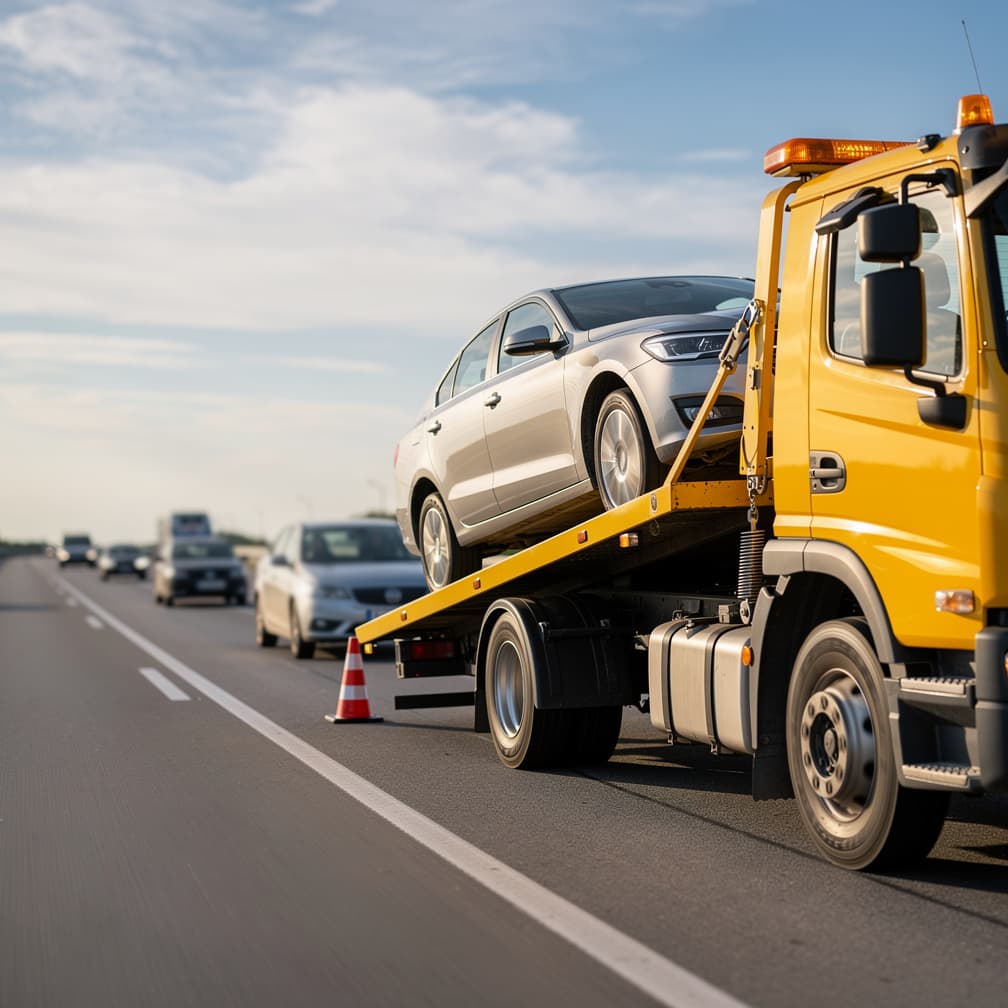
A local tow operator in Paterson often works from a tight yard, a shared industrial bay, or a small storefront office, then runs short, frequent trips between nearby lots and commercial clients. That rhythm should shape how you review your on-hook policy. You are looking at repeated hook-ups in tight quarters, curbside loading under traffic pressure, narrow access points, and handoffs where a customer or lot owner may inspect the vehicle closely before and after the tow. In a city where many households are budget conscious, a damage dispute over any visible component can escalate quickly because the owner may not have much room for an out-of-pocket loss. Your quote should match the vehicles you actually move, where you pick them up, whether you store them briefly, and how often you tow for local businesses that expect fast documentation. Bring your real call volume, equipment, and service area to the quote review so limits and exclusions are tested against actual operations, not a generic towing profile.
On-Hook Towing Insurance Risk Factors in Paterson
Paterson's top risk factors include Flooding, Hurricane damage, Coastal storm surge, and Wind damage.
New Jersey has a moderate climate risk rating. Top hazards: Hurricane (High), Flooding (High), Nor'easter (High), Severe Storm (Moderate). The state's expected annual loss from natural hazards is $1.6B, which influences on-hook towing insurance premiums and may affect coverage availability in high-risk areas.
What On-Hook Towing Insurance Covers
If your work includes apartment-complex removals, municipal towing, highway breakdowns, dealer transfers, or post-collision recovery, the exposure changes with each handoff, each loading surface, and each type of vehicle you move. Your policy review should focus on the real points where damage allegations start.
For many operators, the first issue is how vehicles are handled in confined spaces. Narrow parking rows, angled curbside pickups, low-clearance garages, and crowded roadside shoulders can all increase the chance of contact during hookup or unloading. If your drivers regularly reposition vehicles before attachment, use dollies, or winch units with existing body damage, you want those operating details disclosed up front so the quote is built around actual handling conditions.
The next issue is vehicle mix. A towing business that mostly moves standard passenger cars presents a different claim profile from one that also handles luxury vehicles, modified trucks, electric vehicles, or units with pre-existing suspension or body issues. You should ask how the insurer wants specialty tows described, whether premium units should be scheduled differently, and how claim documentation is expected when damage is alleged after transport.
You should also review where your on hook coverage ends and where your other policies begin. A New Jersey towing operation often needs clean coordination between this coverage, garagekeepers, auto liability, physical damage, and any inland marine or equipment coverage already in place. Before you buy, ask how each policy is expected to respond at every stage of the tow so there are no gaps in protection.
Coverage Included

Collision on Hook
Covers damage to towed vehicles from collisions during transport.
Comprehensive on Hook
Covers theft, fire, and weather damage to vehicles being towed.
Loading & Unloading
Covers damage during the process of loading and unloading vehicles.
Winching Coverage
Covers damage to vehicles during winching and recovery operations.

Multiple Vehicle
Covers all vehicles on multi-car carriers and rollback flatbeds.
Industries & Insurance Needs in Paterson
Passaic County has 12,356 business establishments, with retail trade at 15.1%, health care and social assistance at 12.1%, and other services at 10.9%, so a local tow company often serves exactly the kinds of clients that generate frequent short-haul, access-sensitive work. Retail sites need lot enforcement and customer-vehicle removals. Health care locations can create urgent clearance needs and tighter access around active drop-off areas. Service businesses and repair-related operations often expect quick relocation, delivery, or disabled-vehicle handling with clear proof of coverage. That mix matters because your on-hook exposure is shaped by repetition and setting, not just by rare major recoveries. If a meaningful share of your revenue comes from commercial accounts, ask for a quote review that reflects private-property towing, vendor contract requirements, certificate requests, and the types of passenger vehicles you move most often. A policy review should follow your account mix, because a shop-heavy book of business creates different claim patterns than mostly roadside dispatches.
What Affects On-Hook Towing Rates in Paterson
Paterson's median household income is $53,766, so even a modest vehicle-damage allegation can become a harder-fought claim if the owner depends on that car for work and cannot absorb repair delays or disputed charges. That does not set your premium by itself, but it does change how carefully you should review deductibles, claims handling expectations, and documentation procedures after each tow. If your operation handles older vehicles, apartment-complex removals, or after-hours pickups, ask how the policy responds when pre-existing damage is disputed or a customer says the tow created new damage. Clear photo protocols, signed condition reports when possible, and limits that fit the vehicles you actually handle matter more here than chasing a bare minimum option. Use the quote process to test how your insurer expects you to document condition at pickup and release, because that is often where a manageable claim either stays small or becomes expensive.
What Makes Paterson Different
What matters is how often your drivers handle vehicles in tight spaces where owners, tenants, and property representatives are nearby and ready to question any new scrape or suspension issue. That makes condition disputes more immediate and more personal than they might be on longer-distance work. It also means your on-hook review should focus on the moments between arrival and drop-off: how your drivers approach, load, and verify each vehicle's condition. If you also serve county commercial accounts, the surrounding business base can add repeat vendor work that depends on thorough condition logs and certificates that go out without delay. Consider buying for frequent urban handling, not an abstract towing class code. Ask your agent to review the kinds of pickups you do most, the vehicle values you see, and whether your limits still make sense if several disputed damage claims hit in a short period.
Our Recommendation for Paterson
Look at your real dispatch pattern first, then break out each service type so the quote addresses them individually rather than treating every call the same. Then review the vehicles you tow most often, since mixed vehicle profiles can change the limit you should carry and what exclusions need attention. Tight urban work also makes documentation discipline part of the buying decision. You should be ready to show how your drivers log vehicle condition and timing at every stage. If a commercial client asks for proof of coverage, confirm that your policy setup supports fast certificate requests without slowing down jobs.
Get On-Hook Towing Insurance in Paterson
Enter your ZIP code to compare on-hook towing insurance rates from carriers in Paterson, NJ.
Business insurance starting at $25/mo
FAQ
Frequently Asked Questions
Describe whether work is mostly private-property removals, roadside calls, shop transfers, or commercial-account towing. That detail helps the insurer review how often your drivers handle vehicles in tight spaces, where on-hook damage disputes are more likely to start.
Paterson has a median household income of $53,766, which means a disputed scratch can become a financial crisis for the vehicle owner. When money is tight, owners tend to fight harder over damage claims, so realistic limits and solid documentation are worth reviewing before you bind coverage.
Passaic County has 12,356 business establishments, a base large enough to support steady repeat vendor work for operators who land those accounts. If your roster includes commercial clients, your quote should reflect their vendor requirements and the volume of short-haul tows those relationships generate.
Passaic County is led by retail trade at 15.1%, health care and social assistance at 12.1%, and other services at 10.9%. Retail and health care operations tend to need lot enforcement and time-sensitive relocations, so ask your agent whether your limits account for the higher claim frequency those pickups can bring.
Yes. Private property removals and similar jobs can involve tighter spaces, faster pickups, and more condition disputes. A quote works better when the insurer sees the full service mix before binding.
Compare quotes using the same truck list, driver information, service categories, and claim history each time. Then review deductibles, covered operations, and how each policy coordinates with your other coverages before choosing.
Yes. Roadside operators still need to review this exposure because many claims start during hookup, loading, transport, or unloading on routine calls. Short-distance towing does not remove the need to match coverage to actual handling conditions.
Insurance oversight runs through the New Jersey Department of Banking and Insurance. That agency sets the rules for how policies are sold and serviced in the state, so your coverage documents and any complaint or claim questions are handled under its framework.
Sources
- 1.U.S. Census Bureau, ACS 5-Year Estimates, table B19013(Paterson has a median household income of $53,766, so a vehicle owner may be less able to absorb repair delays or disputed damage costs.)
- 2.U.S. Census Bureau, County Business Patterns, Passaic County(Passaic County has 12,356 business establishments, so many local tow operators rely on repeat commercial accounts that expect proof of coverage and fast paperwork.; Passaic County is led by retail trade at 15.1%, health care and social assistance at 12.1%, and other services at 10.9%.)
Updated July 16, 2026





