







































Updated July 16, 2026

Builders Risk Insurance in Albuquerque
Albuquerque property values change how you set a builders risk limit before you argue over deductible options. With a median home value of $266,700, your policy often needs a closer look at the finished value, delay-related exposures, and whether your limit still works if material pricing or finish selections move during the job. That matters on infill homes in Nob Hill, custom work in the Northeast Heights, and renovation projects near Downtown, where the replacement target can drift away from the original budget faster than owners expect. A deductible that looks manageable on paper can still drain a draw schedule if a smaller loss hits at the wrong week, and a lean limit may fall short of the amount actually at risk once framing, mechanicals, and stored materials are on site. Start by matching the policy to the current completed value, then ask how temporary storage, theft-sensitive materials, and delay-related costs are treated before binding coverage.
Builders Risk Insurance Risk Factors in Albuquerque
Local job sites often combine new work with remodel activity, partial occupancy, or tight material staging, and that changes how builders risk should be reviewed. Here, the practical issue is not just weather in the abstract. It is whether the policy terms fit a project where materials may sit off site, trades rotate through smaller urban lots, or an owner wants work phased around an occupied structure. Those details affect how you review covered property, transit or storage extensions, security expectations, and the point when installation value starts to build quickly. If your project includes higher-value finishes or long-lead equipment, ask whether those items need special scheduling or tighter reporting during the build. For renovation work, confirm how existing structure is treated, because a policy written around new construction assumptions can leave a gap where old and new portions meet. A short coverage review before the first draw usually costs less than fixing a mismatch after a loss.
New Mexico has a moderate climate risk rating. Top hazards: Wildfire (Very High), Drought (High), Flash Flooding (High), Severe Storm (Moderate). The state's expected annual loss from natural hazards is $340M, which influences builders risk insurance premiums and may affect coverage availability in high-risk areas.
What Builders Risk Insurance Covers
The most useful builders risk review focuses on where loss can happen during the build, not on a generic list of covered property. Start with the job site itself. Ask whether the policy is being structured for new construction, a major remodel, or an addition, because each setup can change how existing structures, temporary works, and partially installed materials are handled.
Then move to property flow. Many projects rely on staged deliveries, yard storage, or materials held off site until crews are ready. If cabinets, mechanical equipment, windows, or finish materials sit in storage before installation, you should ask how those items are treated before they reach the project and after they arrive. The same goes for materials in transit, especially if long delivery routes or remote sites are part of the job.
Weather and site security deserve direct attention. Projects here can face wind, wildfire conditions, hail, and flash-flood exposure, so you should review how the policy addresses water damage, debris removal, temporary protection, and the practical steps expected to secure the site. If the job includes scaffolding, fencing, construction forms, or temporary structures, ask whether those items need to be scheduled or specifically endorsed. If a lender, owner, or upstream contractor is involved, confirm exactly which interests need to be named and whether soft costs, delay-related expenses, or ordinance-related rebuilding issues should be reviewed. When coverage follows your draw schedule, staging plan, and site controls, you reduce gaps that surface only after a loss.
Coverage Included

Structure Coverage
Covers the building or structure under construction.

Materials on Site
Covers building materials stored at the construction site.

Materials in Transit
Covers materials being transported to the job site.
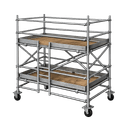
Temporary Structures
Covers scaffolding, fencing, and temporary buildings.

Soft Costs
Covers additional expenses from construction delays due to covered losses.

Equipment Coverage
Covers permanently installed fixtures and equipment.
What Makes Albuquerque Different
Local income levels shape how much gap you can realistically absorb. Albuquerque's median household income is $65,604, meaning a typical household has limited cash reserves to cover an unexpected deductible or a change-order-driven limit shortfall mid-project. On a smaller residential build or a light commercial renovation, even a modest uncovered loss can interrupt the next draw, delay subcontractor payments, or push the owner to cut scope elsewhere. Run the policy against the project's cash flow, not just the construction contract, so a timing mismatch does not quietly become a payroll problem. Ask what happens if stored materials are hit, if a partial loss slows completion, or if the final completed value rises before the job is done.
Our Recommendation for Albuquerque
Figure the completed value at what it would actually cost to rebuild at the current stage, then weigh that against the contract, lender requirements, and any owner-supplied materials. On a remodel, get a clear explanation of how existing structure, newly installed work, and temporary protection are handled, because those lines blur quickly on occupied or phased projects. When materials will be stored off-site, confirm the sublimit and reporting expectations before they are delivered. For custom residential work, check whether upgraded finishes, appliances, or specialty systems create a value spike late in the build that your original limit does not capture. For small commercial jobs, review whether delay-related costs matter enough to discuss soft cost coverage. If several parties have money in the project, make sure the named insured and loss payee structure matches the contract set before the first certificate request goes out.
Get Builders Risk Insurance in Albuquerque
Enter your ZIP code to compare builders risk insurance rates from carriers in Albuquerque, NM.
Business insurance starting at $25/mo
FAQ
Frequently Asked Questions
Albuquerque projects should set the limit at the realistic cost to complete or rebuild the job as planned, not just the first budget draft. With a median home value of $266,700 locally, a limit set too low leaves you paying the difference out of pocket if the property is damaged near completion.
Albuquerque renovation work often needs a closer review of existing structure, phased work, and owner occupancy. If old and new portions of the property interact during the job, ask how the policy treats that boundary before work starts.
Bernalillo County has 16,332 business establishments, meaning a typical project touches multiple parties who each want their financial interest documented before releasing funds. That makes named insured, loss payee, and certificate details worth checking before the first draw.
Bernalillo County's establishment mix includes professional, scientific, and technical services at 13.3%, health care and social assistance at 12.9%, and retail trade at 12.1%. Those sectors frequently involve tenant buildouts and equipment installations that carry replacement values well above the base structure, which is why the policy review matters.
Albuquerque buyers can escalate a regulatory question to the New Mexico Office of Superintendent of Insurance if a filing, form, or complaint issue needs state guidance. For a purchase decision, start by comparing the project terms against the contract requirements.
Buyers usually get better results by starting with the contract, project budget, plans, and lender requirements. That lets the quote reflect the real named parties, values, storage arrangements, and timeline before the underwriter asks for revisions.
The state regulates insurance through the New Mexico Office of Superintendent of Insurance. If you are reviewing policy language, filing questions, or complaint options, that is the state regulator overseeing the insurance market.
Projects here often need a closer review of weather and site conditions, including wildfire and flash-flood exposure. Ask how temporary protection, debris removal, water damage scenarios, and site-security expectations are handled for your specific job.
Sources
- 1.U.S. Census Bureau, ACS 5-Year Estimates, table B25077(Albuquerque has a median home value of $266,700, which makes completed value and deductible choices worth reviewing carefully on local projects.)
- 2.U.S. Census Bureau, ACS 5-Year Estimates, table B19013(Albuquerque has a median household income of $65,604, so many owners and small developers have less room to absorb a deductible surprise or uninsured delay cost.)
- 3.U.S. Census Bureau, County Business Patterns, Bernalillo County(Bernalillo County has 16,332 business establishments, which often means more counterparties asking for clear insurance documentation on commercial projects.; Bernalillo County's leading sectors are professional, scientific, and technical services at 13.3%, health care and social assistance at 12.9%, and retail trade at 12.1%, which often shapes tenant improvement and equipment-related builders risk questions.)
- 4.New Mexico Office of Superintendent of Insurance(The New Mexico Office of Superintendent of Insurance is the state's insurance regulator.)
Updated July 16, 2026





