Updated July 16, 2026

Builders Risk Insurance in Las Cruces
Coverage here often turns on project economics and stakeholder expectations, because many jobs are built to a tighter finished value and a more local lender, owner, or contractor circle. With a median home value of $217,400, many residential builds, additions, and investor renovations in Las Cruces can look modest on paper. A budget that feels small can still leave you short if the policy limit tracks an outdated number instead of the real replacement cost of the work in progress. Local buyers also operate in a county with 3,836 business establishments. That many businesses in one county means even modest commercial jobs can involve landlords, tenants, lenders, and trades who want certificates, named insured language, or proof that materials on site are covered. Before you request terms, line up the construction budget, change order process, storage locations, and who needs to be scheduled.
Builders Risk Insurance Risk Factors in Las Cruces
Las Cruces's top risk factors include Wildfire risk, Drought conditions, Power shutoffs, and Air quality events.
New Mexico has a moderate climate risk rating. Top hazards: Wildfire (Very High), Drought (High), Flash Flooding (High), Severe Storm (Moderate). The state's expected annual loss from natural hazards is $340M, which influences builders risk insurance premiums and may affect coverage availability in high-risk areas.
What Builders Risk Insurance Covers
The most useful builders risk review focuses on where loss can happen during the build, not on a generic list of covered property. Start with the job site itself. Ask whether the policy is being structured for new construction, a major remodel, or an addition, because each setup can change how existing structures, temporary works, and partially installed materials are handled.
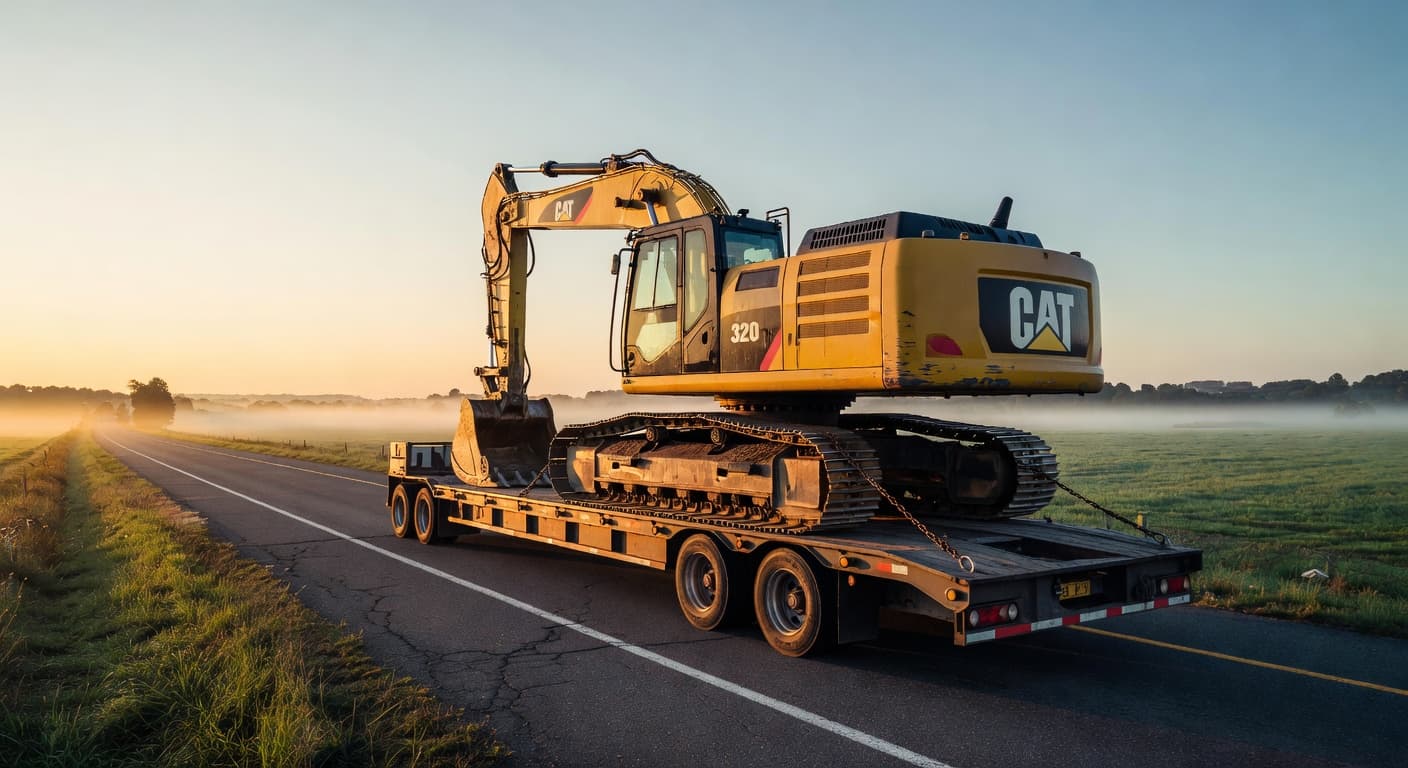
Then move to property flow. Many projects rely on staged deliveries, yard storage, or materials held off site until crews are ready. If cabinets, mechanical equipment, windows, or finish materials sit in storage before installation, you should ask how those items are treated before they reach the project and after they arrive. The same goes for materials in transit, especially if long delivery routes or remote sites are part of the job.
Weather and site security deserve direct attention. Projects here can face wind, wildfire conditions, hail, and flash-flood exposure, so you should review how the policy addresses water damage, debris removal, temporary protection, and the practical steps expected to secure the site. If the job includes scaffolding, fencing, construction forms, or temporary structures, ask whether those items need to be scheduled or specifically endorsed. If a lender, owner, or upstream contractor is involved, confirm exactly which interests need to be named and whether soft costs, delay-related expenses, or ordinance-related rebuilding issues should be reviewed. When coverage follows your draw schedule, staging plan, and site controls, you reduce gaps that surface only after a loss.
Coverage Included

Structure Coverage
Covers the building or structure under construction.

Materials on Site
Covers building materials stored at the construction site.

Materials in Transit
Covers materials being transported to the job site.
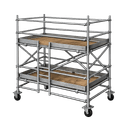
Temporary Structures
Covers scaffolding, fencing, and temporary buildings.

Soft Costs
Covers additional expenses from construction delays due to covered losses.

Equipment Coverage
Covers permanently installed fixtures and equipment.
Industries & Insurance Needs in Las Cruces
Doña Ana County business mix is the useful local signal here. Health care and social assistance accounts for 16% of establishments, retail trade 13.3%, and construction 12.1%, so a lot of local building activity can involve tenant improvements, medical office updates, storefront work, and contractor-driven remodels rather than only ground-up projects. That matters because builders risk terms should match the job type. A retail interior build-out may need closer review of existing structure exposure, temporary storage, and opening timelines tied to a lease. A clinic or care-related renovation can raise questions about phased work, partial occupancy, and protection for installed materials while operations continue nearby. Because construction already represents 12.1% of county establishments, you should also expect more than one party to have a financial interest in the same project file. Ask early who needs to be included, what property is supplied by others, and whether the form fits renovation, tenant improvement, or new construction.
What Makes Las Cruces Different
In this market, many buyers are not trying to insure a landmark tower or a sprawling industrial campus. They are protecting a custom home, an addition, a rental renovation, or a smaller commercial improvement where every budget line matters and one missing coverage detail can erase the savings from a leaner setup. The local median household income is $55,176, which means owners and small investors may feel real pressure to trim limits, shorten the policy term, or skip soft cost review when carrying costs eat into thinner margins. Even on a smaller project, the completed value, materials exposure, and stakeholder list deserve the same scrutiny as a larger job. Treat your policy as part of the project budget, not an afterthought. If the numbers are tight, ask which terms are essential to the way the job is financed, staged, and supplied.
Our Recommendation for Las Cruces
Start with the budget version you would hand to a lender or partner, not the rough estimate you discussed before permits or bids tightened. On smaller local jobs, the biggest issue is often not whether you can get a policy, but whether the completed value, materials breakdown, and project timeline still match the work after revisions. If the project includes owner-supplied fixtures, appliances, or specialty finishes, ask how those items should be valued and documented before they arrive on site. If you are renovating an existing structure, ask whether the form addresses only new work or also contemplates damage involving existing property, because that distinction can matter more on infill and remodel projects. For commercial work, confirm whether the lease, loan, or construction contract requires specific insured parties, loss payee wording, or proof of coverage before funds are released. Then request a free, no-obligation quote using the most current contract sum, schedule, and site controls.
Get Builders Risk Insurance in Las Cruces
Enter your ZIP code to compare builders risk insurance rates from carriers in Las Cruces, NM.
Business insurance starting at $25/mo
FAQ
Frequently Asked Questions
Las Cruces residential projects often need the completed value reviewed carefully. With a local median home value of $217,400, smaller builds and renovations can be underreported if the policy follows an early budget instead of the current cost to complete. A modest-looking project can still carry enough replacement cost to matter at claim time.
Doña Ana County has 3,836 business establishments, so even modest commercial jobs can involve multiple stakeholders. Confirm certificates, insured parties, and contract requirements before materials are delivered or work starts.
Las Cruces tenant improvement work often needs different review points than ground-up jobs. County industry mix shows health care and social assistance at 16% and retail trade at 13.3%, so your policy may need to account for phased renovations and firm opening deadlines. That means partial occupancy and existing structure issues a ground-up build never faces.
Las Cruces remodels can involve existing buildings, partial occupancy, and owner-furnished materials, so the policy form should match the actual job. Construction makes up 12.1% of establishments in the county, and remodel work is common. With that much remodeling activity, gaps in coverage for existing structures get exposed quickly.
Las Cruces owners should still ask for a full review of completed value, term length, and who must be included. The local median household income is $55,176, so budget pressure is real, but trimming key terms can create a larger gap later. Saving a few dollars per month on limits or term length can cost far more if a loss occurs and the policy comes up short.
Buyers usually get better results by starting with the contract, project budget, plans, and lender requirements. That lets the quote reflect the real named parties, values, storage arrangements, and timeline before the underwriter asks for revisions.
The state regulates insurance through the New Mexico Office of Superintendent of Insurance. If you are reviewing policy language, filing questions, or complaint options, that is the state regulator overseeing the insurance market.
Projects here often need a closer review of weather and site conditions, including wildfire and flash-flood exposure. Ask how temporary protection, debris removal, water damage scenarios, and site-security expectations are handled for your specific job.
Sources
- 1.U.S. Census Bureau, ACS 5-Year Estimates, table B25077(With a median home value of $217,400, many residential builds, additions, and investor renovations here can look modest on paper, so it is easy to understate completed value, soft costs, or the value of owner-furnished materials.)
- 2.U.S. Census Bureau, County Business Patterns, Doña Ana County(Local buyers also operate in a county with 3,836 business establishments, so even smaller commercial projects can involve landlords, tenants, lenders, and trades that want certificates, named insured language, or evidence that materials on site are actually contemplated.; Health care and social assistance accounts for 16% of establishments, retail trade 13.3%, and construction 12.1%, so a lot of local building activity can involve tenant improvements, medical office updates, storefront work, and contractor-driven remodels rather than only ground-up projects.)
- 3.U.S. Census Bureau, ACS 5-Year Estimates, table B19013(The local median household income is $55,176, so owners and small investors often watch carrying costs closely and may be tempted to trim limits, shorten the policy term, or skip soft cost review.)
Updated July 16, 2026