







































Updated July 16, 2026

Builders Risk Insurance in Santa Fe
High property values are the sharpest difference here. A small valuation miss can leave a large uninsured gap by the time materials arrive and draws start moving. For builders risk insurance in Santa Fe, that reality shows up on custom homes in the foothills, high-finish remodels near the Plaza, and additions where the owner expects completed value to match a premium local market. The city's median home value is $411,500, so the completed value on a build or major renovation often deserves a harder look before you bind coverage. When your worksheet is light on finish allowances, owner-supplied materials, site security details, or soft cost needs, the policy can be built around a number that no longer matches the job. Before you request terms, line up the construction budget, signed contract, change order process, and any lender insurance requirements so the limit, valuation method, and named insured structure track the project you are actually building.
Builders Risk Insurance Risk Factors in Santa Fe
Santa Fe projects still need the hazard conversation handled carefully, but the local issue is less about naming a single peril and more about how a partially built structure sits between delivery, storage, and installation. Materials may arrive in phases, specialty finishes may be ordered well before installation, and a renovation can leave parts of the structure exposed while other areas remain occupied. That changes what should be scheduled, when coverage should start, and whether temporary storage, transit, scaffolding, or ordinance-related delays need to be reviewed. If your job includes owner-furnished items, detached storage, or a phased remodel, ask for those facts to be reflected clearly in the submission instead of assuming a standard form matches the site. A tighter project narrative usually does more for claim readiness than a rushed quote built on a generic description.
New Mexico has a moderate climate risk rating. Top hazards: Wildfire (Very High), Drought (High), Flash Flooding (High), Severe Storm (Moderate). The state's expected annual loss from natural hazards is $340M, which influences builders risk insurance premiums and may affect coverage availability in high-risk areas.
What Builders Risk Insurance Covers
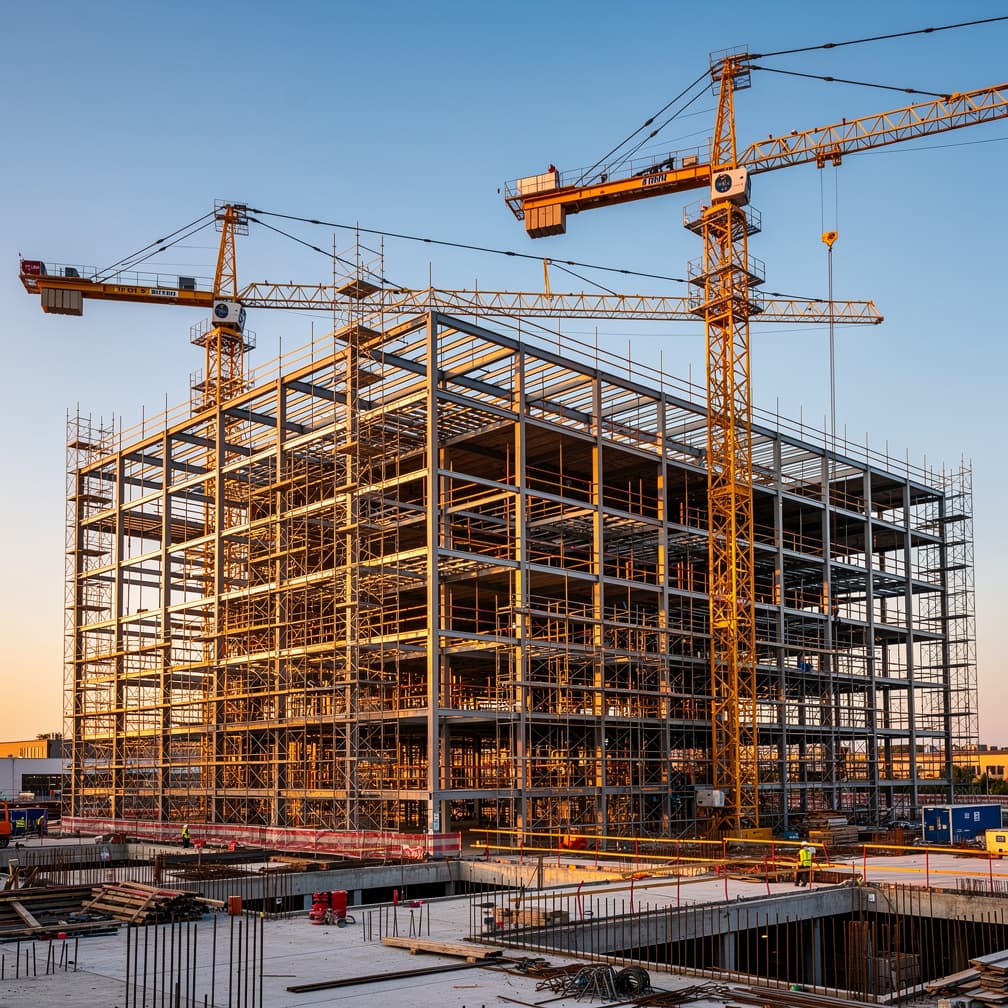
The most useful builders risk review focuses on where loss can happen during the build, not on a generic list of covered property. Start with the job site itself. Ask whether the policy is being structured for new construction, a major remodel, or an addition, because each setup can change how existing structures, temporary works, and partially installed materials are handled.
Then move to property flow. Many projects rely on staged deliveries, yard storage, or materials held off site until crews are ready. If cabinets, mechanical equipment, windows, or finish materials sit in storage before installation, you should ask how those items are treated before they reach the project and after they arrive. The same goes for materials in transit, especially if long delivery routes or remote sites are part of the job.
Weather and site security deserve direct attention. Projects here can face wind, wildfire conditions, hail, and flash-flood exposure, so you should review how the policy addresses water damage, debris removal, temporary protection, and the practical steps expected to secure the site. If the job includes scaffolding, fencing, construction forms, or temporary structures, ask whether those items need to be scheduled or specifically endorsed. If a lender, owner, or upstream contractor is involved, confirm exactly which interests need to be named and whether soft costs, delay-related expenses, or ordinance-related rebuilding issues should be reviewed. When coverage follows your draw schedule, staging plan, and site controls, you reduce gaps that surface only after a loss.
Coverage Included

Structure Coverage
Covers the building or structure under construction.

Materials on Site
Covers building materials stored at the construction site.

Materials in Transit
Covers materials being transported to the job site.
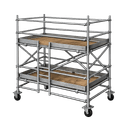
Temporary Structures
Covers scaffolding, fencing, and temporary buildings.

Soft Costs
Covers additional expenses from construction delays due to covered losses.

Equipment Coverage
Covers permanently installed fixtures and equipment.
What Affects Builders Risk Rates in Santa Fe
Santa Fe’s median household income is $70,110, which can translate into stronger expectations around finish quality, custom selections, and upgrade decisions during the build. For insurance, that means the original budget can drift if allowances are thin or owner changes are common, and the completed value on the policy may need to be revisited before a gap opens. This is especially important on custom residential work where cabinetry, tile, fixtures, and specialty materials are not fully locked at the first quote stage. Rather than focusing only on premium, review whether the limit can keep pace with change orders, whether soft costs need to be included, and how the policy handles materials that are purchased early but installed later. A cheaper-looking quote can become the expensive option if the valuation assumptions are stale by mid-project.
What Makes Santa Fe Different
In many places, review starts and ends with square footage and a rough construction budget. Around Santa Fe, that shortcut can break down faster because the county economy supports a broad mix of property uses and project types, from storefront improvements to office build-outs to residential work tied to professional households and service demand. Santa Fe County has 4,957 business establishments, with retail trade at 15.6%, professional and technical services at 13.5%, and health care and social assistance at 11.3%. That density of retail and office tenants means a fair share of local construction happens inside leased spaces where landlords require specific named insured language and proof of coverage before tenant work begins. When your project is a commercial interior build, mixed-use renovation, or custom residence with business-use elements, ask for the policy terms to be matched to occupancy, contract responsibilities, and who bears the risk of loss at each stage.
Our Recommendation for Santa Fe
Projects with custom finishes, owner-furnished materials, or a renovation phase where part of the structure stays in use need those details on the table early. Review whether the policy should address temporary storage, transit, theft-sensitive materials, and soft costs tied to delays, especially if long-lead items are part of the schedule. On commercial work, confirm that the named insureds and loss payable interests match the contract and lender requirements instead of relying on a certificate request at the end. If you are comparing quotes, do not compare premium alone. Look at valuation basis, covered property language, exclusions that matter to your site, and how change orders are expected to be handled during the build.
Get Builders Risk Insurance in Santa Fe
Enter your ZIP code to compare builders risk insurance rates from carriers in Santa Fe, NM.
Business insurance starting at $25/mo
FAQ
Frequently Asked Questions
If your completed value is understated, the policy limit may lag behind the actual build cost once upgrades, change orders, and stored materials are added. A median home value of $411,500 means even a modest finish upgrade can push the replacement cost well past a limit that looked adequate on paper.
Santa Fe remodels can fit builders risk, but do not expect a simple new-build worksheet to capture what is actually at stake. If the structure stays partially occupied or the owner supplies finishes, ask for occupancy, phasing, and material handling to be reviewed up front.
The county's concentration of retail and professional services means you are more likely to encounter lease agreements, tenant improvement requirements, and lender conditions that dictate how the policy must be structured before binding.
Bring the current budget, contract, draw schedule, site address, change order process, and any owner-furnished material list. That gives the underwriter a cleaner basis for setting limits and reviewing valuation assumptions.
Santa Fe policyholders can look to the **New Mexico Office of Superintendent of Insurance** for regulatory oversight. That is most useful when you need to confirm complaint channels, licensing, or general consumer guidance while your project coverage is being reviewed.
Buyers usually get better results by starting with the contract, project budget, plans, and lender requirements. That lets the quote reflect the real named parties, values, storage arrangements, and timeline before the underwriter asks for revisions.
The state regulates insurance through the New Mexico Office of Superintendent of Insurance. If you are reviewing policy language, filing questions, or complaint options, that is the state regulator overseeing the insurance market.
Projects here often need a closer review of weather and site conditions, including wildfire and flash-flood exposure. Ask how temporary protection, debris removal, water damage scenarios, and site-security expectations are handled for your specific job.
Sources
- 1.U.S. Census Bureau, ACS 5-Year Estimates, table B25077(The city’s median home value is $411,500, so the completed value on a build or major renovation often deserves a harder look before you bind coverage.)
- 2.U.S. Census Bureau, ACS 5-Year Estimates, table B19013(Santa Fe’s median household income is $70,110, which can translate into stronger expectations around finish quality, custom selections, and upgrade decisions during the build.)
- 3.U.S. Census Bureau, County Business Patterns, Santa Fe County(Santa Fe County has 4,957 business establishments, with retail trade at 15.6%, professional, scientific, and technical services at 13.5%, and health care and social assistance at 11.3%, so local projects often involve tenant requirements, lender conditions, or owner expectations that make the insurance structure more specific.)
- 4.New Mexico Office of Superintendent of Insurance(Santa Fe policyholders can look to the New Mexico Office of Superintendent of Insurance for regulatory oversight.)
Updated July 16, 2026





