







































Updated July 16, 2026

Car Insurance in New York
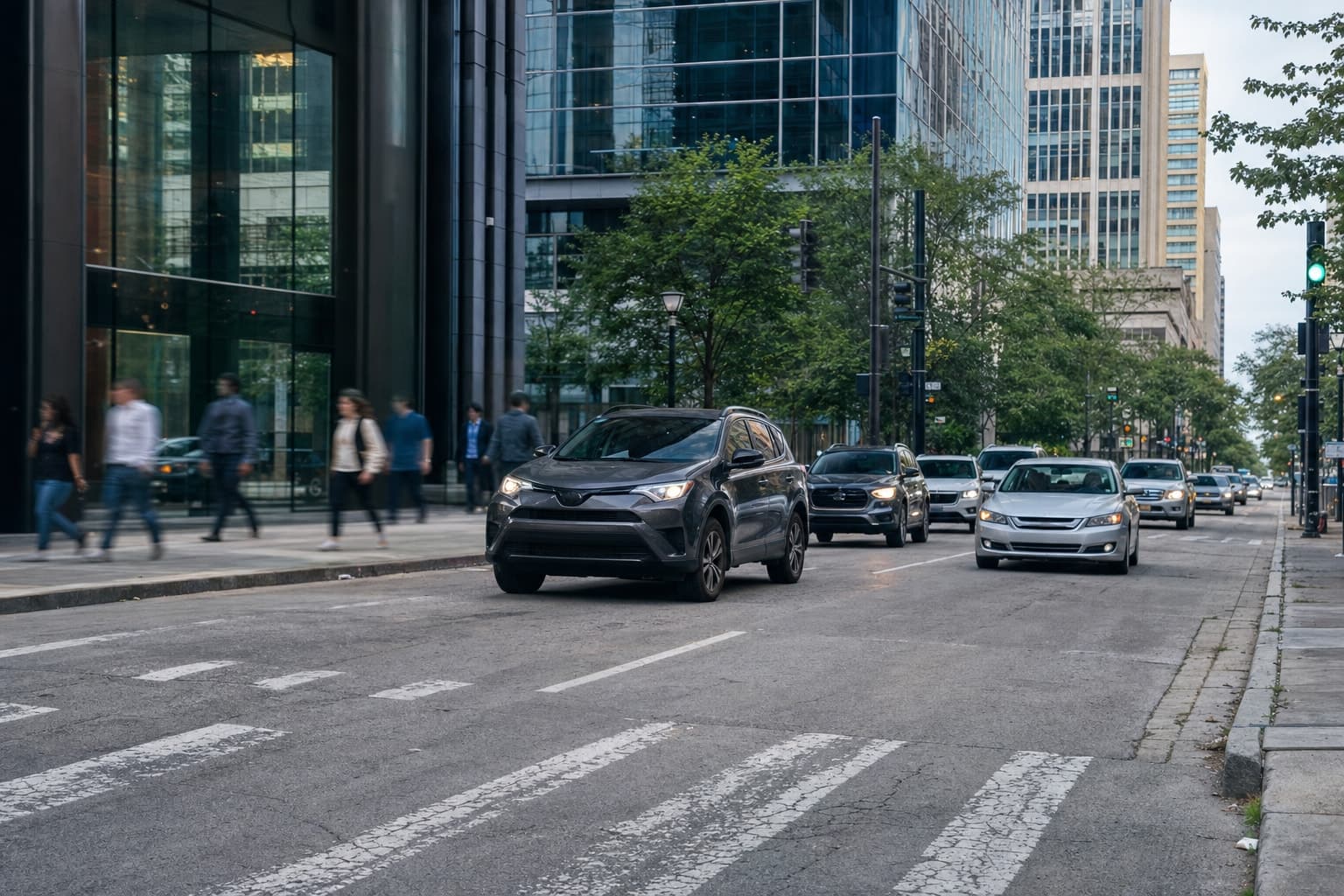
Driving in New York City means dealing with tight parking, stop-and-go traffic, and shared household driving. A quote that looks fine on paper can feel thin after a sideswipe, broken glass claim, or repair delay that leaves you without transportation. That is why city buyers usually need to review their policy with the way the vehicle is actually used. Before you bind coverage, take stock of who drives the car, where it is usually parked, whether you rely on it for daily access, and how much out-of-pocket repair cost you could absorb without disrupting your month.
New York has a high climate risk rating. Top hazards: Hurricane (High), Flooding (High), Winter Storm (High), Severe Storm (Moderate). The state's expected annual loss from natural hazards is $3.8B, which influences car insurance premiums and may affect coverage availability in high-risk areas.
What Car Insurance Covers
Car insurance in New York is built around the same core protections, but the way you choose them should reflect state conditions and your driving pattern. Liability coverage can help pay for injuries and damage you cause to others, while collision coverage helps repair or replace your own vehicle after an auto accident. Comprehensive coverage is the part many New York drivers rely on for non-collision losses tied to weather and theft risks, which is relevant in a state with high hurricane risk, winter storms, and elevated motor vehicle theft activity. Uninsured motorist coverage is especially important here because the state's uninsured driver rate is 5.6%, so you are not depending only on other drivers to carry enough protection. Medical payments coverage can help with injury-related expenses after a crash, and rental reimbursement coverage can help keep you mobile while your car is being repaired, subject to the policy terms you select. Coverage requirements vary by policy type, so the right personal policy still depends on your vehicle, commute, and local exposure. A quote should also reflect your deductible and chosen limits, because those two choices can materially change the premium and the protection level.
Coverage Included

Liability
Can help pay for injuries and property damage you cause to others in an accident, coverage most states require drivers to carry.

Collision
Can help pay to repair or replace your car after a crash with another vehicle or object, regardless of fault.

Comprehensive
Typically covers damage to your car from events other than collisions, such as theft, hail, fire, flooding, or hitting an animal.

Uninsured Motorist
May pay for your injuries and, in some states, car damage when an at-fault driver has no insurance or too little.

Medical Payments
Can help cover medical bills for you and your passengers after an accident, no matter who was at fault.

Rental Reimbursement
May pay for a rental car while your vehicle is in the shop for repairs after a covered claim.
Car Insurance Cost in New York
Average Cost in New York
$130 - $350
per month
In New York, car insurance premiums typically run $130 - $350 per month, which tends to run 41% above the national range of $110 - $230 per month.
- Driving record and age
- Vehicle make, model, and year
- Location and commute distance
- Credit-based insurance score
- Coverage limits and deductibles
Contact CPK Insurance for a personalized quote.
Prices shown are general estimates, not guaranteed rates or quotes. Your actual premium will depend on the insurer, coverage selected, personal details, location, claims history, and other underwriting factors. Learn about our pricing methodology.
The state-specific average premium range for this product is above the national average because statewide pricing pressure is higher than in many markets. Your quote will still vary by coverage limits, deductibles, claims history, location, and policy endorsements. In New York, location can matter a lot because dense driving areas, storm exposure, and local theft risk can all affect the premium. The state's crashes in 2023 and average claim cost of $15,912 also help explain why insurers price carefully here. When a single claim can run that high, your own coverage choices and driving record have a direct effect on what you pay. Winter storm and hurricane risk can push comprehensive coverage pricing higher for some drivers, especially if the vehicle is parked outdoors or used in areas with more severe weather exposure. On the other hand, a clean driving record, lower annual mileage, and a higher deductible may reduce the premium, depending on the carrier. With 880 active insurance companies in the state, comparing a car insurance quote from multiple carriers is especially useful because pricing can differ widely even when the coverage labels look similar. The right fit still depends on your limits and the way you use the car.
What Makes New York Different
The real issue is not how often you drive but how often your vehicle sits exposed to other people, other cars, and tight spaces while you are not behind the wheel. A practical policy review in the city should zero in on claim scenarios that actually interrupt your routine, like a parked car hit overnight, a cracked windshield, a garage scrape, or a repair that takes longer than expected. New York median household income is $79,713, which means a surprise deductible or rental bill can still strain a budget that looks comfortable on paper. That usually argues for matching coverage to your cash flow, not just to the vehicle's age. If a claim would force you to borrow, delay repairs, or go without transportation, ask for a quote that compares higher and lower deductibles, rental reimbursement, and physical damage coverage before you decide.
Our Recommendation for New York
Start with how the car is actually being used this month, not how you hoped to use it when you first bought it. Street parking most nights means you should look closely at comprehensive and glass-related claim exposure. When more than one person drives the vehicle, make sure every regular driver is disclosed before you request quotes. If you depend on the car for commuting children, medical visits, or weekend travel outside the boroughs, it is worth testing whether rental reimbursement belongs in the policy rather than treating it as optional. Your deductible should sit at a level you could pay without missing rent, utilities, or other fixed bills. If you have savings and want to lower the premium, compare one step higher rather than jumping to the highest option by default. If you run into a billing, cancellation, or claims handling issue you cannot resolve with the insurer, the New York State Department of Financial Services is the state regulator to know.
Get Car Insurance in New York
Enter your ZIP code to compare car insurance rates from carriers in New York, NY.
Car insurance starting at $59/mo
FAQ
Frequently Asked Questions
City drivers often keep collision longer than suburban drivers do, because dense parking and frequent low-speed contact can still generate repair bills worth claiming. Compare the car's value, your deductible, and whether you could replace or repair it quickly without disrupting daily transportation.
When your car lives at the curb most nights, your deductible, comprehensive, collision, and rental reimbursement choices matter more as a group than they do separately. Ask for side-by-side quotes so you can see what a lower deductible changes in a likely claim.
Your deductible should sit around what you can actually absorb in a bad month. The city's median household income is $79,713, so the real question is whether a sudden repair bill would force you to delay other essentials.
Tighter spaces mean more chances for minor but disruptive claims, even when your car is just parked. Review your policy around who drives, where the car sits, and how hard it would be to manage repairs or alternate transportation after a claim.
In New York, liability coverage can help protect you if you cause injuries or damage to others, collision coverage helps repair your car after an auto accident, and comprehensive coverage applies to non-collision losses like weather or theft. Medical payments coverage can help with injury-related expenses, and rental reimbursement coverage can help you stay mobile while your car is being repaired.
New York requires drivers to carry minimum liability limits of 25/50/10, along with personal injury protection and uninsured motorist coverage. For a personal policy, it is still important to compare the coverages and limits you need rather than assuming one standard quote fits every driver.
New York premiums average $130 to $350 per month, but your quote will depend on coverage limits, deductibles, claims history, location, and policy endorsements. Dense driving areas, weather exposure, and vehicle type can also affect where you fall in that range.
Many drivers start with liability coverage, then add collision and comprehensive if they want protection for their own vehicle after an accident or weather-related loss. In a state with winter storms, flooding, hurricane risk, and a high crash count, those extra coverages can be especially relevant for drivers with newer or higher-value vehicles.
Sources
- 1.U.S. Census Bureau, ACS 5-Year Estimates, table B19013(New York median household income is $79,713, so many households have enough income to protect but still feel the strain of an unexpected deductible, rental bill, or out of pocket repair cost.)
- 2.New York State Department of Financial Services(If you run into a billing, cancellation, or claims handling issue you cannot resolve with the insurer, the New York State Department of Financial Services is the state regulator to know.)
Updated July 16, 2026





