








































Updated July 5, 2026

Builders Risk Insurance in Rochester
You often buy or finance projects here one property at a time: a house rehab in Maplewood, a duplex update in the 19th Ward, a small retail build-out on a neighborhood corridor, or a mixed-use renovation where materials sit on site between trades. Builders risk insurance in Rochester should be reviewed around that operating reality. The key question is not abstract replacement cost. It is whether the policy tracks the actual value moving through the job, the renovation scope, the storage setup, and who has a financial interest before the work is complete. Rochester's median home value is $120,600, so many local residential jobs start from tighter property values than buyers see in higher-priced markets, and that can lead owners to understate completed value or skip soft-cost discussions that still matter if a loss interrupts the schedule. If your project budget is modest, ask for a quote built from the construction contract, change-order process, and draw schedule, not just the current property value. That gives you a cleaner way to review limits, covered property, and any vacancy or partial-occupancy issues before work starts.
Builders Risk Insurance Risk Factors in Rochester
Rochester's top risk factors include Flooding, Hurricane damage, Coastal storm surge, and Wind damage.
New York has a high climate risk rating. Top hazards: Hurricane (High), Flooding (High), Winter Storm (High), Severe Storm (Moderate). The state's expected annual loss from natural hazards is $3.8B, which influences builders risk insurance premiums and may affect coverage availability in high-risk areas.
What Builders Risk Insurance Covers
Projects in this state often create coverage questions that do not show up on a simple ground-up build. A townhouse renovation in a dense neighborhood can involve existing structure exposure, shared walls, limited space, and materials that arrive in phases because there is nowhere to stockpile them. A suburban addition or commercial fit-out may raise different issues, especially if the owner keeps part of the property in use while construction continues.
As you review terms, focus on where property is located before it becomes part of the work. If key materials move from supplier to temporary storage to the site, confirm how those stages are addressed and whether sublimits apply. If the project depends on custom windows, millwork, mechanical components, or imported finishes, confirm how delay after a covered property loss could affect the schedule and whether soft cost coverage is worth reviewing.
Renovation work deserves extra scrutiny. If the contract places responsibility on you for damage tied to the work, ask how the policy treats the new construction versus the preexisting building. You should also verify who needs to appear on the policy, such as the owner, lender, general contractor, or development entity, and whether they need insured status or evidence as a loss payee or additional interest. Insurance here is regulated by the State Department of Financial Services, so policy forms and notices should be reviewed with that framework in mind before you finalize the purchase.
Coverage Included

Structure Coverage
Covers the building or structure under construction.

Materials on Site
Covers building materials stored at the construction site.

Materials in Transit
Covers materials being transported to the job site.
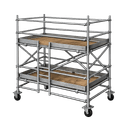
Temporary Structures
Covers scaffolding, fencing, and temporary buildings.

Soft Costs
Covers additional expenses from construction delays due to covered losses.

Equipment Coverage
Covers permanently installed fixtures and equipment.
Industries & Insurance Needs in Rochester
Monroe County's business mix changes how many local projects are small commercial renovations rather than only ground-up work. The county has 17,449 business establishments, with retail trade at 12.7%, health care and social assistance at 11.3%, and professional, scientific, and technical services at 10.7%. That matters because builders risk on these jobs often needs closer attention to tenant improvements, phased turnover, and owner-furnished materials than a simple shell project would. A storefront refresh, clinic alteration, or office reconfiguration can involve existing structures, occupied portions, and delivery timing that create avoidable coverage gaps if the application is too generic. If your job serves a business tenant, bring the lease, construction agreement, and any lender requirements into the quote review. That helps you confirm whose property is being insured, whether temporary storage should be scheduled, and how the policy should treat fixtures, equipment, and delay-sensitive build-outs.
What Makes Rochester Different
Value discipline is what changes the builders risk decision here. In a market where Rochester median household income is $46,628, owners and small investors often keep projects on tight budgets and may be tempted to insure only around purchase price or current assessed value. That is where builders risk decisions can go sideways. The policy should be reviewed against completed value, materials on site, and the real cost to resume work after a covered loss, not just what the property was worth before demolition or renovation began. This matters on smaller rehabs especially, because a modest acquisition price can hide meaningful labor, material, and carrying-cost exposure once the project is underway. If you are borrowing, renovating in phases, or supplying materials yourself, ask for a limit review tied to the full scope of work and planned improvements. That is usually a more useful starting point than anchoring the discussion to the existing structure alone.
Our Recommendation for Rochester
Start your quote review with documents, not estimates from memory. For a local rehab or build-out, have the construction contract, contractor schedule of values, lender requirements, and any major material invoices ready. If the project is a renovation, ask specifically how the policy treats existing structure versus new work, because that line matters more on older houses and occupied commercial spaces. If materials will be stored off site or delivered in stages, raise that before binding, not after a loss. On business property, confirm whether the owner, tenant, general contractor, and lender should be named based on who carries the financial risk during construction. If the job may open in phases, ask how partial occupancy affects the builders risk form and when another policy should take over. If you want a cleaner comparison, request side-by-side options that show limits, deductibles, covered property, and soft-cost treatment in plain language, then match them to the draw schedule before work begins.
Get Builders Risk Insurance in Rochester
Enter your ZIP code to compare builders risk insurance rates from carriers in Rochester, NY.
Business insurance starting at $25/mo
FAQ
Frequently Asked Questions
Rochester projects usually need limits reviewed against completed value, not just acquisition cost. Local home values can make owners underestimate labor, materials, and restart costs once renovation is underway, so tie limits to the full scope of work.
Rochester rehab work often creates the sharper coverage questions because existing structure, staged materials, and phased work can all affect how the policy should be written. Bring the scope of work and change-order process into the quote review.
Monroe County has 17,449 business establishments, so many local jobs involve tenant improvements and occupied commercial property. Bring the lease, construction contract, lender terms, and any owner-furnished material list so the quote matches the actual project.
Monroe County's leading sectors include retail trade at 12.7%, health care and social assistance at 11.3%, and professional, scientific, and technical services at 10.7%, so many projects involve phased turnover, fixtures, and existing occupied space.
Rochester borrowers should compare the lender's insurance requirements against the quote before binding. If wording or named-insured questions come up, the New York State Department of Financial Services is the state's insurance regulator, but policy review should start with your project documents.
Brownstone renovations often need closer review of existing structure issues, occupied premises, and how materials move through constrained sites. Ask the quote to distinguish the new work from the preexisting building and to address transit or temporary storage if the site has limited room for stockpiling.
Construction lenders often set insurance requirements in the loan package, so review those documents before shopping. The practical step is to match the quote to the lender's required interests, project value, and policy term before the first draw closes.
Projects here commonly involve an owner, development entity, lender, and general contractor, but the contract decides whose interests must appear. Check whether each party needs insured status, loss payee treatment, or simple evidence of coverage before you finalize the policy.
Sources
- 1.U.S. Census Bureau, ACS 5-Year Estimates, table B25077(Rochester's median home value is $120,600, so many local residential jobs start from tighter property values than buyers see in higher-priced markets.)
- 2.U.S. Census Bureau, County Business Patterns, Monroe County(Monroe County has 17,449 business establishments.; Monroe County's leading sectors are retail trade at 12.7%, health care and social assistance at 11.3%, and professional, scientific, and technical services at 10.7%.)
- 3.U.S. Census Bureau, ACS 5-Year Estimates, table B19013(Rochester median household income is $46,628.)
- 4.New York State Department of Financial Services(The New York State Department of Financial Services is the state's insurance regulator.)
Updated July 5, 2026





