Updated July 16, 2026

Commercial Auto Insurance in Syracuse
Onondaga County has 11,263 business establishments. In practical terms, when that many companies compete locally, contract and vendor expectations around proof of coverage, driver lists, and vehicle schedules tend to tighten before work starts. Many companies here are not running long-haul fleets. They run mixed-use vehicles that move between appointments across the county in a single day. If your operation adds hired vehicles, employee drivers, or personal cars used for errands, your quote should match that real use instead of treating every unit the same. A contractor heading from Liverpool to DeWitt has a different exposure than a retailer making short delivery runs near downtown or a care provider sending staff to homes throughout the area. Before you request terms, it helps to have a clear picture of each vehicle, its primary driver, parking arrangements, and whether employees ever use their own cars for business tasks.
Commercial Auto Insurance Risk Factors in Syracuse
Syracuse's top risk factors include Flooding, Hurricane damage, Coastal storm surge, and Wind damage. Flooding can cause significant vehicle damage, make sure comprehensive coverage is included.
New York has a high climate risk rating. Top hazards: Hurricane (High), Flooding (High), Winter Storm (High), Severe Storm (Moderate). The state's expected annual loss from natural hazards is $3.8B, which influences commercial auto insurance premiums and may affect coverage availability in high-risk areas.
What Commercial Auto Insurance Covers
In New York, commercial auto insurance is built around several core protections. Liability, collision, and comprehensive form the foundation, while medical payments and uninsured motorist protection round out the standard structure. The right endorsements can extend that protection to hired and non-owned vehicle use. The state requires minimum liability for commercial vehicles, and all commercial vehicles must be registered with the New York DMV, so coverage and registration need to line up before a vehicle is put into service. If your routes include heavy traffic corridors, liability coverage matters that much more, because your policy may need to respond to bodily injury and property damage claims that can arise from a vehicle accident. Collision can help repair your covered vehicle after a crash, while comprehensive can help address damage from theft, vandalism, weather, or other non-collision events. In New York, that matters because hurricane, flooding, and winter storm exposure mean you are more likely to file a comprehensive claim, so choosing the right deductible becomes a real financial decision. Uninsured and underinsured motorist coverage may be required, which is relevant even in a state with a relatively low uninsured driver rate. Medical payments can help cover medical costs for you or your passengers after a crash, but exact limits and deductible choices vary by carrier. Coverage for rental vehicles, employee-owned vehicles, or short-term borrowed vehicles is not automatic. It typically depends on specific endorsements being added to the policy.
Coverage Included

Bodily Injury Liability
Covers injuries you cause to others in an accident

Property Damage Liability
Covers damage you cause to others' property
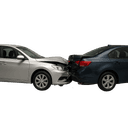
Collision Coverage
Pays for damage to your vehicle in an accident

Comprehensive Coverage
Covers theft, vandalism, weather, and animal damage

Medical Payments
Covers medical costs for your drivers and passengers

Uninsured Motorist
Protection when the other driver lacks insurance
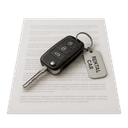
Hired & Non-Owned Auto
Covers rented or employee-owned vehicles used for work
Commercial Auto Insurance Cost in Syracuse
Average Cost in New York
$180 - $600
per month
Businesses in New York typically see commercial auto insurance premiums of $180 - $600 per month, which tends to run 42% above the national range of $140 - $410 per month.
- Fleet size and vehicle types
- Driver records and experience
- Coverage limits and deductibles
- Business industry and use
- Annual mileage and operating radius
- Claims history
Rates based on small business averages. Your actual premium may vary.
Prices shown are general estimates, not guaranteed rates or quotes. Your actual premium will depend on the insurer, coverage selected, business details, location, claims history, and other underwriting factors. Learn about our pricing methodology.
New York pricing is higher than the national average, which means commercial auto insurance cost in this state tends to reflect heavier claims pressure and a more expensive market. Fleet size and vehicle types matter, so a single company car in Manhattan will not price the same as a small fleet of delivery vans operating across suburban counties and upstate routes. Driver records and experience are also major factors, and New York's 2023 crash data shows 298,000 total crashes and an average claim cost of $15,912. When claims cost that much, a single at-fault accident on a driver's record can push your premium up significantly at renewal. Business use also affects pricing, since annual mileage, operating radius, claims history, coverage limits, and deductibles all influence the final premium. Weather risk is another New York-specific factor, because hurricanes, flooding, and winter storms can create comprehensive claims that are more common than in milder states. Because New York's market is dense and claims pressure is real, two quotes with the same monthly price can carry very different limits and endorsements. Always compare both.
Industries & Insurance Needs in Syracuse
Onondaga County's business mix changes what a strong commercial auto review looks like. Retail trade accounts for 13.8% of establishments, other services 10.9%, and health care and social assistance 10.8%, so a large share of local vehicle use centers on short-route deliveries, mobile service calls, and staff driving to customer or patient locations rather than interstate freight. That affects what you should ask an agent to review. A florist, restaurant supplier, repair company, salon owner with mobile staff, or home care business may need closer attention on driver eligibility, hired and non-owned auto exposure, loading and unloading routines, and whether one vehicle is doing several jobs during the week. If your business sits in one of those common county sectors, build your quote around route pattern, cargo or equipment left in the vehicle, and who is behind the wheel on busy days, not just the year, make, and model.
What Makes Syracuse Different
In this market, many businesses are not operating a uniform fleet with one predictable route type. They combine various vehicles and trip purposes that shift day to day. That creates gaps if your policy setup assumes every vehicle is used the same way. The county's broad small-business base means insurers and counterparties often expect cleaner documentation, especially when a vehicle schedule changes during the year or a personal vehicle starts doing business errands. What matters is whether your coverage follows how work is actually dispatched. If your operation flexes between office visits, customer stops, and field work, a review of symbol selection, driver assignments, and hired and non-owned auto exposure before renewal can help.
Our Recommendation for Syracuse
A practical approach is to document each vehicle alongside its real job. Say plainly during quoting how each unit is used instead of grouping everything under a generic business-use description. Review who can drive, including part-time staff and any employee who may step into a vehicle during busy periods. If your team ever rents a vehicle, borrows one, or uses personal cars for deposits, pickups, or home visits, hired and non-owned auto coverage may be worth a look. For businesses serving cost-sensitive households, Syracuse's median household income is $45,845. Many of your customers have limited room to absorb price increases or service delays, so an at-fault crash can quickly turn into a collection and continuity problem if a vehicle is down and you do not have the right physical damage, rental reimbursement, or downtime planning built into the policy review.
Get Commercial Auto Insurance in Syracuse
Enter your ZIP code to compare commercial auto insurance rates from carriers in Syracuse, NY.
Business insurance starting at $25/mo
FAQ
Frequently Asked Questions
Even a few vehicles deserve a close look when mixed use is common. Different exposures can arise across a small set of units, and quoting them correctly depends on capturing those distinctions.
With this many companies bidding and delivering locally, certificates, contract requirements, and cleaner vehicle documentation often matter earlier in the sales process. If you bid jobs or deliver for other businesses, it can help to keep driver and vehicle schedules current before requesting proof of coverage.
Businesses in common county sectors should review who drives, how often stops happen, and whether employees use personal cars. **Retail trade is 13.8% of county establishments, with health care and social assistance at 10.8%**. These sectors rely heavily on frequent short-route business driving, which means stop density and driver turnover can have an outsized effect on your exposure.
The key question is whether business use of a personal vehicle creates a gap that a standard personal auto policy may not address. That question matters most when your operation relies on flexibility instead of a fully titled company fleet.
It can help to weigh deductibles against real cash flow, not just premium preference. With median household income at $45,845, many local customers feel financial pressure quickly. If delayed payments after an accident strain your operations, vehicle downtime and out-of-pocket repair tolerance deserve a careful review.
For New York businesses, it can include liability, collision, comprehensive, medical payments, and uninsured motorist protection, plus hired auto or non-owned auto coverage when those endorsements are added.
New York requires minimum liability of $25,000/$50,000/$10,000 for commercial vehicles, and all commercial vehicles must be registered with the New York DMV.
The state-specific average premium range is $180 to $600 per month per vehicle, but your rate varies based on fleet size, vehicle type, driver records, mileage, limits, and claims history.
Sources
- 1.U.S. Census Bureau, County Business Patterns, Onondaga County(Onondaga County has 11,263 business establishments, so local buyers often run into tighter contract and vendor expectations around proof of coverage, driver lists, and vehicle schedules before work starts.; Retail trade accounts for 13.8% of establishments, other services 10.9%, and health care and social assistance 10.8%, so a large share of local vehicle use centers on short-route deliveries, mobile service calls, and staff driving to customer or patient locations rather than interstate freight.)
- 2.U.S. Census Bureau, ACS 5-Year Estimates, table B19013(Syracuse's median household income is $45,845, so an at-fault crash can quickly turn into a collection and continuity problem if a vehicle is down and you do not have the right physical damage, rental reimbursement, or downtime planning built into the policy review.)
Updated July 16, 2026