








































Updated July 16, 2026

Commercial Truck Insurance in Syracuse
A lot of trucking work here starts in practical places like small warehouse bays, contractor yards, and food distributor loading docks serving stops across the county and beyond. When you review commercial truck insurance in Syracuse, start by mapping how your units actually move through local delivery loops, scheduled service calls with tools on board, or mixed-use weeks that split time between hauling and jobsite work. Your operating pattern matters because a box truck serving storefronts does not present the same exposure as a dump truck rotating between supply houses and active sites, even if both are garaged in the same area. Onondaga County has 11,263 business establishments, which means your trucks are likely making frequent business-to-business pickups where contract penalties and tight schedules leave little room for downtime.
Commercial Truck Insurance Risk Factors in Syracuse
Syracuse's top risk factors include Flooding, Hurricane damage, Coastal storm surge, and Wind damage.
New York has a high climate risk rating. Top hazards: Hurricane (High), Flooding (High), Winter Storm (High), Severe Storm (Moderate). The state's expected annual loss from natural hazards is $3.8B, which influences commercial truck insurance premiums and may affect coverage availability in high-risk areas.
What Commercial Truck Insurance Covers
Your policy is built around the way your truck actually operates, not just the vehicle itself. For freight haulers, the core protection usually starts with motor carrier liability coverage, which addresses third-party injury or property damage exposures tied to trucking operations. New York's commercial auto minimums are listed at the state minimum split limits, but many trucking risks require higher limits because federal freight minimums and shipper expectations can exceed basic state auto requirements. Your policy may also include physical damage coverage, which can help with repair or replacement after collision or other covered damage, and cargo insurance, which may apply to goods in transit rather than the tractor alone. Trailer interchange is relevant if you use non-owned trailers under an interchange agreement, and bobtail or non-trucking liability may matter when a truck is being driven without a dispatch load. Coverage terms vary by carrier, endorsements, deductibles, and freight type, so a policy for a refrigerated route out of Albany may look different from one for a flatbed operation serving Long Island or Western New York.
Coverage Included

Motor Carrier Liability
Can help cover injuries and property damage your truck causes to others, a coverage federal regulators require most for-hire carriers to maintain.
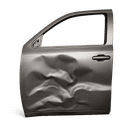
Physical Damage
Can help pay to repair or replace your own truck after an accident, fire, theft, or vandalism.
Cargo Coverage
May pay for damage to or theft of the freight you are hauling while it is in your care.
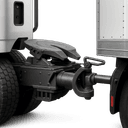
Trailer Interchange
Can help cover damage to trailers you haul under an interchange agreement but do not own.

Bobtail Coverage
May provide liability protection when you drive your tractor without a trailer attached, such as after dropping off a load.

Non-Trucking Liability
Can help cover accidents that happen when you use your truck for personal errands rather than dispatched work.
Commercial Truck Insurance Cost in Syracuse
Average Cost in New York
$550 - $1,700
per month
Businesses in New York typically see commercial truck insurance premiums of $550 - $1,700 per month, which tends to run 48% above the national range of $400 - $1,125 per month.
- Radius of operation
- Commodities hauled and cargo value
- Number and value of power units
- Driver motor vehicle records and CDL experience
- DOT safety record, inspections, and FMCSA scores
- Liability limits and physical damage deductibles
Contact CPK Insurance for a personalized quote.
Prices shown are general estimates, not guaranteed rates or quotes. Your actual premium will depend on the insurer, coverage selected, business details, location, claims history, and other underwriting factors. Learn about our pricing methodology.
For New York trucking risks, cost depends on your coverage limits, deductibles, claims history, location, risk profile, and policy endorsements. That higher pricing environment reflects several New York factors including dense traffic in the downstate corridor, elevated theft and motor vehicle theft activity, a high overall crime index, and weather exposure from hurricanes, flooding, and winter storms. New York recorded 298,000 crashes in 2023, which means carriers scrutinize your loss history and vehicle use closely when setting your rate. The average claim cost of $15,912 means a single at-fault incident can drive up your renewal premium significantly, making it critical to report and manage claims carefully. Freight type matters too, because cargo coverage, trailer interchange, or higher-limit liability can all move the premium. The quote you receive can change materially depending on whether you run one tractor, a small fleet, or a mixed local-haul operation.
Industries & Insurance Needs in Syracuse
Onondaga County’s business mix changes what many local truck policies need to contemplate. Retail trade accounts for 13.8% of county establishments, other services except public administration 10.9%, and health care and social assistance 10.8%, so a lot of truck use here supports store replenishment, field service, equipment transport, and scheduled deliveries tied to care operations rather than only long-haul freight. That matters because the insurance conversation often turns on cargo type, loading and unloading routines, time-of-day driving, and whether your truck also carries tools, service inventory, or customer property. A contractor with a flatbed, a supplier with a box truck, and a medical route operator can all need very different endorsements and limits even if each runs mostly local miles. Ask for the quote to separate liability, physical damage, cargo, hired and non-owned auto, and any equipment-related needs so you can see where your actual operation changes the policy design.
What Makes Syracuse Different
Many trucking risks in this market are not built around one simple terminal-to-terminal pattern. They are built around repeated stops for retailers, service businesses, and care-related customers, with drivers backing into alleys and loading behind occupied buildings where a delay can ripple through the whole day. What matters is how each vehicle is used, what is left in the truck between stops, and whether the same unit shifts between delivery, service, and hauling duties. Syracuse also has a median household income of $45,845, meaning a single uncovered loss could equal what many local households earn in a year. Before renewal, review deductibles, rental reimbursement options if available, and any gap between contract requirements and what your current policy actually schedules.
Our Recommendation for Syracuse
Start by looking at each truck individually rather than treating the fleet as a single exposure. One unit may handle retail deliveries, another may carry tools to service calls, and a third may be used for heavier hauling, so each use class and coverage need deserves its own check. This is where you typically find trucks that are underinsured or carrying endorsements that overlap and add cost without value. If you work with local commercial customers, keep copies of lease requirements, shipper agreements, and certificate requests ready during the quote process so liability limits can be reviewed against real contracts. If drivers take trucks home, park at different lots, or cross county lines routinely, bring that up early because garaging and driver assignment can change how the risk is evaluated. Before you bind anything, confirm the policy matches the vehicle type, cargo carried, and the way loading and unloading actually happens on your routes.
Get Commercial Truck Insurance in Syracuse
Enter your ZIP code to compare commercial truck insurance rates from carriers in Syracuse, NY.
Business insurance starting at $25/mo
FAQ
Frequently Asked Questions
Bring the vehicle schedule, VINs, driver list, garaging address, operating radius, cargo details, and any shipper or lease insurance requirements. Having those documents ready lets a broker match your policy to real routes and contracts rather than estimates, which reduces the chance of a coverage gap surfacing later.
Onondaga County has 11,263 business establishments, which translates to dense delivery zones where multiple stops per shift increase the odds of a loading-dock incident. That makes use class, loading routines, and downtime planning worth reviewing closely before you compare limits and endorsements on your policy.
They are usually not reviewed the same way when one truck handles store deliveries and another carries tools to jobsites. Vehicle type, body style, cargo, and how the truck is used during the week can change the coverage review, so each unit needs its own look.
The county is led by retail trade at 13.8%, other services at 10.9%, and health care at 10.8%. Because those sectors rely on scheduled deliveries and recurring service visits, your cargo values, equipment left in the truck, and stop frequency deserve close attention during your review.
Owner-operators often need deductibles that fit real cash flow, not just the lowest premium. With the city's median household income at $45,845, a deductible set too high could force you to absorb a loss you cannot afford to pay out of pocket.
In New York, a trucking policy can be built around motor carrier liability, physical damage, cargo coverage, trailer interchange, bobtail coverage, and non-trucking liability, depending on how your truck is used.
New York commercial auto minimums are listed as $25,000/$50,000/$10,000, but trucking operations may need higher liability limits because freight contracts and federal requirements can go beyond that baseline.
The average premium range is $550 to $1,700 per month per truck, and your final price depends on limits, deductibles, claims history, location, risk profile, and endorsements.
Sources
- 1.U.S. Census Bureau, County Business Patterns, Onondaga County(Onondaga County has 11,263 business establishments, so a lot of local trucking demand comes from business-to-business pickups, vendor deliveries, and time-sensitive service routes where certificates, contract requirements, and downtime planning can affect whether a job starts on schedule.; Retail trade accounts for 13.8% of county establishments, other services except public administration 10.9%, and health care and social assistance 10.8%, so a lot of truck use here supports store replenishment, field service, equipment transport, and scheduled deliveries tied to care operations rather than only long-haul freight.)
- 2.U.S. Census Bureau, ACS 5-Year Estimates, table B19013(Syracuse also has a median household income of $45,845, so for many small operators, an uncovered downtime loss or a poorly matched deductible can hit cash flow quickly.)
Updated July 16, 2026





