







































Updated July 16, 2026

Garage Keepers Insurance in Syracuse
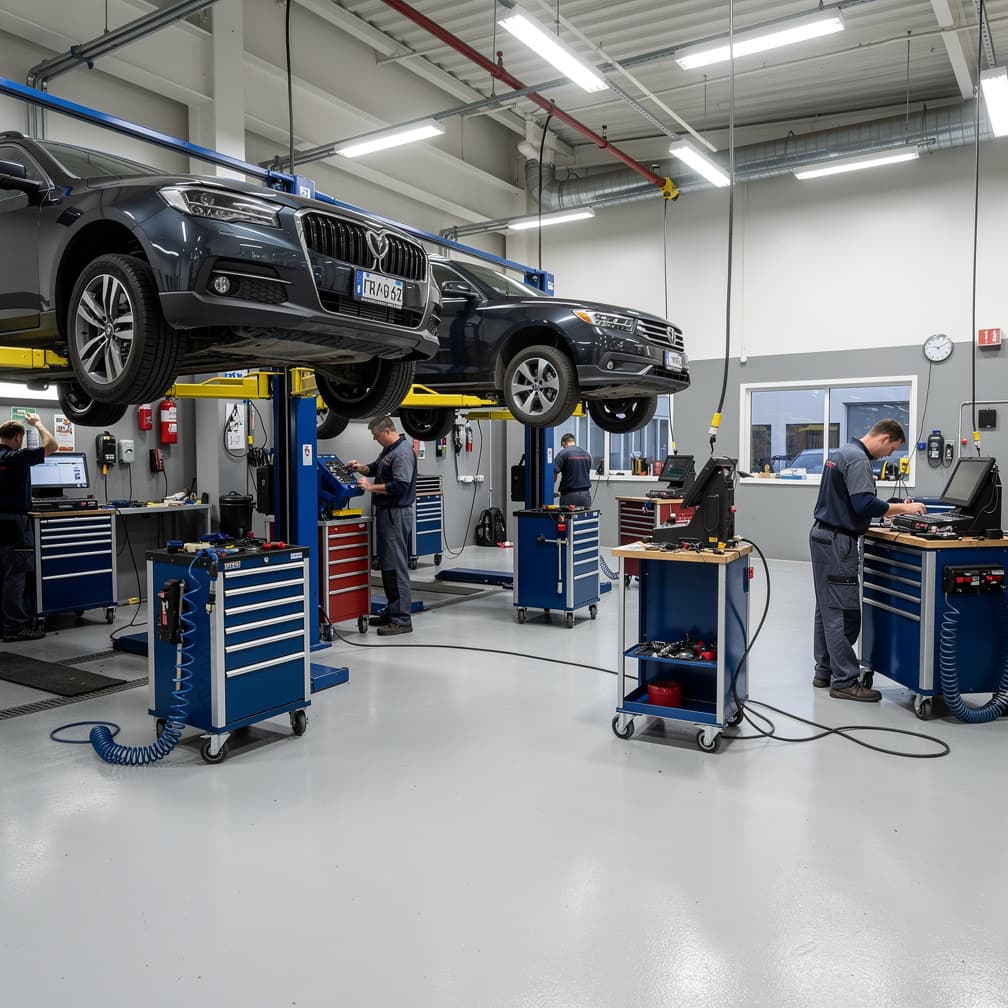
Property managers, lenders, and commercial landlords around Syracuse often want clean proof that customer vehicles in your care have their own coverage path before they hand over keys, approve a lease, or sign off on a service contract. Your policy needs to match how cars are actually held overnight, where overflow parking sits, and which address appears on your certificates. Many operators here work in older commercial corridors and shared lots where a customer car may end up behind the building or at a second storage location during busy weeks. If your paperwork is vague, the next question is usually whether every vehicle-holding location is scheduled and whether employee vehicle movement is part of normal operations. Before you request quotes, map every place customer cars can sit after drop-off, note who has access to the keys, and be ready to show how vehicles are secured after hours.
Garage Keepers Insurance Risk Factors in Syracuse
Local vehicle custody risk often comes down to where cars wait between intake and pickup. Here, many service businesses operate from older sites with tight parking layouts, shared access drives, and limited indoor space, so customer vehicles may rotate between front apron parking, fenced side areas, and nearby overflow spots. That changes the review because a policy should line up with your real storage pattern, not just your mailing address. New York's broader hazard profile also supports a closer look at whether your operation relies on **outdoor storage for multiple days at a time**, especially if weather can leave vehicles exposed before parts arrive or repairs are approved. A useful quote request includes your maximum overnight vehicle count, whether any units are high-value or specialty vehicles, and whether cars are ever kept at a second address. If your setup changes by season or workload, say that up front so limits and location scheduling can be reviewed before a claim tests the wording.
New York has a high climate risk rating. Top hazards: Hurricane (High), Flooding (High), Winter Storm (High), Severe Storm (Moderate). The state's expected annual loss from natural hazards is $3.8B, which influences garage keepers insurance premiums and may affect coverage availability in high-risk areas.
What Garage Keepers Insurance Covers
The coverage conversation that matters is the narrower question of where customer vehicles are most exposed while they are under your control. For many shops, that starts with intake and storage. If a vehicle waits curbside for pickup, sits in a rear lot, or is staged in a shared parking area, your review should focus on how the policy responds to damage while the vehicle is parked, moved, or stored at each location you actually use.
This matters even more if your operation relies on space that is common in New York, such as tight urban lots, basement parking, alley access, stacked parking, or overflow storage away from the main shop. A clean application should identify whether vehicles are indoors, outdoors, fenced, attended, or left in areas where other tenants, delivery traffic, or the public pass close by. If your business uses porters, valets, tow equipment, or service writers who reposition cars during the day, note that clearly so the quote reflects routine handling rather than occasional movement.
You should also review the coverage basis carefully. The main options are Legal Liability, which responds when you are legally responsible for damage to a customer vehicle, and Direct Primary, which may cover damage to a customer vehicle regardless of fault. The practical difference comes down to how a claim gets paid. Legal Liability requires the customer or another party to establish that your business was at fault, which can mean a longer dispute before coverage responds. Direct Primary can pay for damage without that fault determination, which often makes for a faster, simpler claim process but typically comes at a higher premium. The right choice depends on whether you want protection tied more closely to legal responsibility, broader direct loss scenarios, or a different claims trigger based on your contract and operating model. If you pick up and deliver vehicles, road test after repairs, or hold cars while waiting for customer approval, it helps to walk through those steps one by one. That conversation often reveals gaps faster than a checklist does.
Because New York regulates this coverage through the Department of Financial Services, the specific policy wording and endorsements carry real weight. Ask for specimen forms before binding, not after a loss. Read the exclusions around employee use, unattended vehicles, open lots, and off premises storage. Then compare them against your daily workflow.
Coverage Included
Collision Coverage
Covers damage to customers' vehicles from collisions while in your care.

Comprehensive Coverage
Covers theft, vandalism, fire, and weather damage to customers' vehicles.
Specified Perils
Covers only specifically named perils at a lower premium.

Legal Liability
Covers damage you or your employees directly cause to a customer's vehicle.

Direct Primary
Pays regardless of fault, the broadest garage keepers coverage available.
Industries & Insurance Needs in Syracuse
County business mix is one reason this coverage question comes up so often around local auto service operations. Onondaga County has 11,263 business establishments, and its leading sectors by establishment share are retail trade at 13.8%, other services except public administration at 10.9%, and health care and social assistance at 10.8%, so a lot of nearby businesses depend on employee and customer vehicles moving through commercial properties every day. For you, that means more counterparties may ask for proof of coverage before they refer work, lease space, or allow vehicle storage tied to a contract. It also means your customer base may include households watching repair timing and out-of-pocket costs closely, not just fleet accounts. Syracuse median household income is $45,845, so a claim involving a customer's daily-use vehicle can become a service and reputation problem fast if there is confusion about who responds. Bring your lease requirements, vendor agreements, and any referral contract language into the quote review.
What Makes Syracuse Different
Shared commercial property is the main thing that changes the calculus here. What matters is whether every place those vehicles can realistically end up is reflected in the policy review. A car might move from a bay door to a rear lot to overflow and back to a front pickup area without ever leaving the same property. That kind of movement creates documentation issues if your application only describes one parking area or one address. The local buying task is simple but important: match the policy to the actual chain of custody. If customer cars are ever stored off the main service area, held by a related business next door, or parked in a lot controlled by the landlord, raise that before binding coverage. Avoidable gaps tend to start in those shared or informal arrangements.
Our Recommendation for Syracuse
Before you talk limits, build a location worksheet that tells the full story of where customer cars sit and who controls them. For each address, note whether parking is indoor, fenced, open lot, or shared with other tenants, and identify who controls access after hours. Then separate normal operations from exception handling. If cars stay longer while waiting on approvals, parts, or sublet work, note the longest likely hold time and the highest number of vehicles kept overnight at once. Identify who moves customer vehicles, how keys are stored, and whether any employee takes a vehicle across the property or to another scheduled location. If you lease space, pull the insurance section of the lease and any lender or landlord certificate requirements before you ask for quotes. When you request a quote, bring your real storage map and overnight count rather than estimates from memory.
Get Garage Keepers Insurance in Syracuse
Enter your ZIP code to compare garage keepers insurance rates from carriers in Syracuse, NY.
Business insurance starting at $25/mo
FAQ
Frequently Asked Questions
Landlords typically want proof that customer vehicles in your care have a dedicated coverage path, with the correct business name and each vehicle-holding address shown accurately. Bring the lease insurance clause to your quote review so certificates and scheduled locations match.
Yes, because customer vehicle storage patterns affect how the risk is reviewed. If cars sit in a rear lot, side yard, or second area during busy weeks, include that in the application.
Onondaga County has 11,263 business establishments, so your shop likely shares walls, lots, or access roads with neighbors who have their own insurance expectations. Document exactly where customer vehicles are parked and who controls those areas after hours so a neighbor's claim or property issue does not become your coverage problem.
Syracuse households often rely heavily on one daily-use vehicle, and the city's median household income is $45,845. A customer waiting on a repair dispute may not have a backup car, so even a short coverage disagreement can cost you a long-term client. If there is confusion about how a customer's car is covered while in your care, the dispute can affect retention and referrals quickly.
Document every lot or garage you use, including the maximum number of vehicles held at one time, who moves them, and whether any location is leased or shared. That level of detail lets the quote review catch location gaps before they become claim denials.
New York businesses often need both reviewed because they address different exposures. Garage liability generally responds to third party claims arising from your operations, while garage keepers addresses damage to customer vehicles in your care. The practical test is whether customers leave vehicles in your control, on your lot, in your shop, or in overflow storage before pickup. If they do, you likely need both.
New York shops with outdoor parking should review it carefully because weather, tight lots, and repeated vehicle movement can change both loss exposure and claim documentation. Your quote should match where vehicles actually stay after hours.
Valet and parking operators should present a clear handling map, including where keys are stored, who can move vehicles, whether stacking is used, and what happens during after hours drop off or pickup.
Sources
- 1.U.S. Census Bureau, County Business Patterns, Onondaga County(Onondaga County has 11,263 business establishments; Onondaga County's leading sectors by establishment share are retail trade 13.8%, other services except public administration 10.9%, and health care and social assistance 10.8%)
- 2.U.S. Census Bureau, ACS 5-Year Estimates, table B19013(Syracuse median household income is $45,845)
- 3.New York State Department of Financial Services(New York State Department of Financial Services is New York's insurance regulator)
Updated July 16, 2026





