Updated July 16, 2026

On-Hook Towing Insurance in Yonkers
A lot of local operators revisit this coverage when a new apartment complex account starts downtown, a property manager asks for updated certificates before towing begins, or a lender wants the insurance file cleaned up before another truck goes into service. Whose vehicle you move, where you pick it up, how often you load in tight residential streets, and what documentation follows the handoff all become real questions. The work here often mixes private property tows, enforcement pulls, roadside recoveries, and short relocations where damage allegations can turn on a few minutes of loading activity rather than a long haul. Westchester County has 31,152 business establishments, so you are likely towing for commercial accounts and managed properties that want documented procedures before granting authority.
On-Hook Towing Insurance Risk Factors in Yonkers
Yonkers's top risk factors include Flooding, Hurricane damage, Coastal storm surge, and Wind damage.
New York has a high climate risk rating. Top hazards: Hurricane (High), Flooding (High), Winter Storm (High), Severe Storm (Moderate). The state's expected annual loss from natural hazards is $3.8B, which influences on-hook towing insurance premiums and may affect coverage availability in high-risk areas.
What On-Hook Towing Insurance Covers
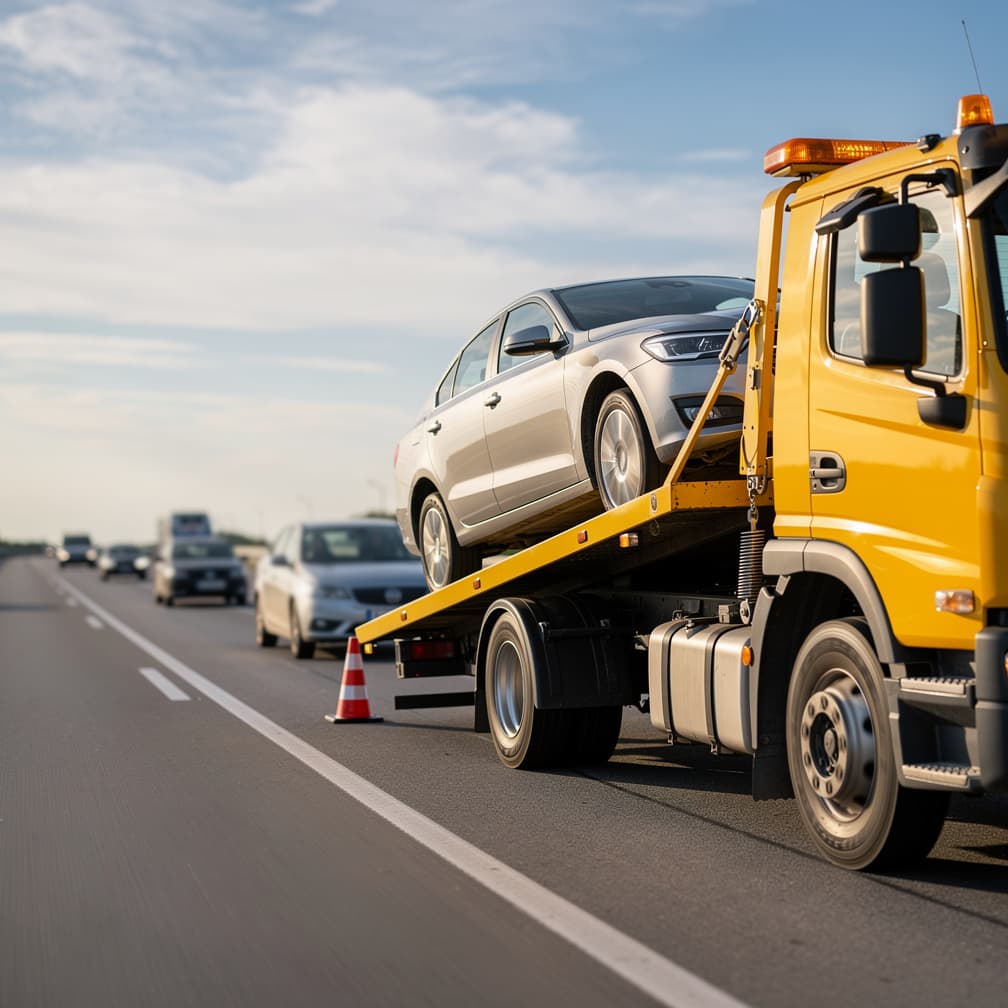
On-hook towing insurance can help pay for damage to a customer's vehicle while it is attached to your tow truck and in your custody for transport. In New York, the most useful review is a close look at where that exposure changes during the workday. A truck assigned to apartment-complex impounds, municipal rotation calls, and narrow-street breakdowns can create a different claim pattern than a flatbed moving disabled vehicles between repair shops or auctions. If your drivers regularly work in parking garages, under low-clearance structures, or on crowded commercial blocks, ask the agent to walk through how loading, securing, bed angle, wheel-lift use, and unloading are described in the policy language.
You should also match the coverage discussion to the kinds of vehicles you actually tow. Luxury vehicles, electric vehicles, lowered cars, commercial vans, and all-wheel-drive units can each change how a loss develops and how expensive it becomes. In practice, that means your quote should reflect whether you use dollies, skates, soft straps, specialty tie-downs, or other equipment that reduces the chance of damage during hookup and transport.
Snow, ice, heavy rain, and flood-prone streets can turn a routine tow into a winching or recovery situation, and that can affect how you describe your operation to underwriting. If part of your book includes police impounds, private property removals, or post-accident recovery, ask for a line-by-line review of where on-hook ends and where other towing-related coverages may need to be considered so there are fewer surprises after a loss.
Coverage Included

Collision on Hook
Covers damage to towed vehicles from collisions during transport.

Comprehensive on Hook
Covers theft, fire, and weather damage to vehicles being towed.
Loading & Unloading
Covers damage during the process of loading and unloading vehicles.
Winching Coverage
Covers damage to vehicles during winching and recovery operations.

Multiple Vehicle
Covers all vehicles on multi-car carriers and rollback flatbeds.
Industries & Insurance Needs in Yonkers
Westchester County’s business mix changes who may call you and what kinds of vehicles you may take into custody. The county’s leading sectors by establishment share are professional, scientific, and technical services at 13.1%, construction at 12%, and health care and social assistance at 11%, so a local tow operator may be dealing with employee vehicles at office properties, contractor pickups and vans at active jobsites, and patient, staff, or visitor vehicles around medical facilities. That matters because on-hook exposure is not just about distance. It is also about loading conditions, vehicle type, site access, and how disputes start after a tow. If your book includes property management contracts, contractor accounts, or calls near medical campuses, ask for a quote review that separates those operating patterns instead of lumping everything into one broad description.
What Makes Yonkers Different
Density at the property level is what changes the calculus here, because it is the steady volume of apartment, condo, mixed-use, and commercial property work where a vehicle is taken into custody in a confined space, moved a short distance, and then questioned by an owner, tenant, vendor, or manager who expects a fast paper trail. Yonkers median household income is $81,816, which tells you owners here have the resources to hire counsel and fight even minor damage claims. You should be ready to show how drivers photograph vehicles before hookup, note pre-existing damage, record keys and wheel-lock issues, and document release procedures. If your current policy review does not start with those handoff controls, you may be describing your risk too loosely for the way local towing work actually happens.
Our Recommendation for Yonkers
Begin with the jobs that generate the most disagreement, not the jobs that happen most often. If you tow for apartment communities, private lots, contractors, or medical-related properties, map the exact sequence from dispatch to hookup to drop and identify where a damage claim would be hardest to defend. Then ask whether your application clearly distinguishes consensual roadside work from private property enforcement, relocations, impounds, and storage-linked operations. Keep sample photos, tow tickets, and release forms ready before you request terms, because underwriters usually price cleaner when they can see how your drivers document custody. If you operate more than one truck type or handle low-clearance, all-wheel-drive, or commercial units, say so plainly instead of relying on a broad class description. Request a quote review using your actual account mix, your common pickup environments, and your current documentation process.
Get On-Hook Towing Insurance in Yonkers
Enter your ZIP code to compare on-hook towing insurance rates from carriers in Yonkers, NY.
Business insurance starting at $25/mo
FAQ
Frequently Asked Questions
Bring tow tickets, sample vehicle photos, dispatch notes, and a breakdown of private property, roadside, and contract work. That helps the quote reflect how custody actually happens here, especially on short moves where loading and handoff details drive disputes.
Apartment and condo accounts often change the exposure because vehicles are picked up in tighter spaces, under property rules, with more handoffs and more owner challenges. The application should describe those accounts separately from standard roadside calls.
Westchester County has 31,152 business establishments, so your contract types and site mix belong in the quote conversation because commercial properties and managed sites want clear certificates before assigning towing authority.
Westchester County's leading sectors are professional services at 13.1%, construction at 12%, and health care and social assistance at 11%, which translates into more office fleets, contractor trucks, and medical-site vehicles on your hook. You should describe vehicle types and pickup environments carefully.
Yonkers has a median household income of $81,816, so owners here have the means to dispute alleged damage or condition issues rather than simply absorbing the cost. Clear pre-hook photos, condition notes, and release records can make your insurance review much more accurate.
New York insurance is regulated by the New York State Department of Financial Services, so your application details, business name, and supporting documents should stay consistent from quote to binding.
New York operations often see different underwriting questions based on where trucks run. City work can involve tighter loading conditions and more disputed damage, while upstate routes may raise more questions about distance, weather, and recovery frequency.
New York tow companies should list impounds and rotation work separately from routine roadside towing whenever possible. That gives the underwriter a clearer picture of scene conditions and documentation practices.
Sources
- 1.U.S. Census Bureau, County Business Patterns, Westchester County(Westchester County has 31,152 business establishments, so commercial accounts, vendors, and property operators often expect clean proof of coverage and clear operating details before they hand over towing authority.; The county’s leading sectors by establishment share are professional, scientific, and technical services at 13.1%, construction at 12%, and health care and social assistance at 11%, so a local tow operator may be dealing with employee vehicles at office properties, contractor pickups and vans at active jobsites, and patient, staff, or visitor vehicles around medical facilities.)
- 2.U.S. Census Bureau, ACS 5-Year Estimates, table B19013(Yonkers median household income is $81,816, so many vehicle owners here have a real financial reason to challenge even minor alleged damage, storage handling, or condition-at-pickup disputes.)
Updated July 16, 2026