
Updated July 16, 2026

Builders Risk Insurance in Charlotte
Professional, scientific, and technical services lead the establishment mix in Mecklenburg County at 13.9%. That concentration tells you a large share of local construction involves office interiors, medical space, and retail build-outs where lenders and landlords expect clear documentation before funds are released. Your policy review often needs to match a tighter draw schedule, higher-value finishes, and renovation work inside occupied or partially occupied properties. Many local projects involve multiple decision-makers, vendor requirements, and delivery timing that can turn a covered loss into a longer delay if the terms do not fit the job. If you are building a custom home, rehabbing a mixed-use space, or finishing a commercial interior here, gather the project address and construction budget along with materials storage details, soft cost needs, and your target completion date before you request quotes. That gives you a cleaner submission and helps you compare whether a policy is designed for ground-up construction, renovation, or tenant improvement work.
Builders Risk Insurance Risk Factors in Charlotte
Charlotte's top risk factors include Flooding, Hurricane damage, Coastal storm surge, and Wind damage.
North Carolina has a high climate risk rating. Top hazards: Hurricane (Very High), Flooding (High), Severe Storm (High), Tornado (Moderate). The state's expected annual loss from natural hazards is $2.8B, which influences builders risk insurance premiums and may affect coverage availability in high-risk areas.
What Builders Risk Insurance Covers
A ground-up residential build near the coast can raise different questions than an infill commercial renovation in Charlotte, Raleigh, or a smaller downtown corridor where buildings sit close together and deliveries are staged off-site. Your policy should track how property moves and where it sits before it becomes part of the work.
For many projects, the practical issue is not the basic structure description. It is whether you need to schedule temporary works, stored materials, items in transit, or soft cost-related endorsements if a covered loss interrupts the timeline. If your framing package is delivered early and held at a separate yard, or specialty fixtures are waiting for installation while another trade finishes, you want those logistics discussed before binding. If you are renovating an older building, ask how the policy distinguishes between covered work and the original structure, and whether debris removal, pollutant cleanup, or ordinance-related rebuilding issues should be reviewed.
North Carolina also has a single named insurance regulator, the North Carolina Department of Insurance. This means the forms and endorsements filed for use here are what you should be comparing, not generic national templates. Hand over the plans, contract, draw schedule, and a list of high-value materials that will be stored away from the site or installed late in the project.
Coverage Included

Structure Coverage
Covers the building or structure under construction.
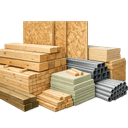
Materials on Site
Covers building materials stored at the construction site.

Materials in Transit
Covers materials being transported to the job site.
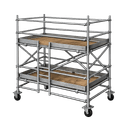
Temporary Structures
Covers scaffolding, fencing, and temporary buildings.

Soft Costs
Covers additional expenses from construction delays due to covered losses.

Equipment Coverage
Covers permanently installed fixtures and equipment.
What Makes Charlotte Different
Tenant improvement and renovation work is the main thing that changes the builders risk decision here. In a market shaped by professional services, health care, and retail occupancy, many projects are not simple ground-up builds on isolated sites. They are interior build-outs, phased renovations, and finish packages inside buildings that stay active around patients, staff, shoppers, or office tenants. That changes what you should ask for in a quote. You may need closer review of existing structure exposure, materials delivered but not yet installed, theft protection at partially open sites, and whether delay-related costs matter if a landlord turnover date or financing milestone slips. Charlotte's median home value is $351,500, which means residential framing, fixtures, and installed materials can carry enough value that underinsuring the completed value creates a real gap if a loss happens late in the build. Before binding coverage, confirm the contract value and change orders, review the site security plan, and clarify who is responsible for insuring owner-furnished materials.
Our Recommendation for Charlotte
Start with the contract set, not the application. If your job is a shell-to-suit build-out, medical office renovation, or custom home, ask the agent to review what property is actually at risk during each phase and whether the completed value still matches the current budget after change orders. If materials are staged away from the site or delivered early because of lead times, raise that before quoting rather than assuming it is automatically included. For residential work, Charlotte's median household income is $78,438, and buyers in this market tend to select higher-end finishes and approve upgrades mid-project. That means your declared values may need to move upward when cabinets, flooring, lighting, or owner selections increase the budget. If the project sits inside an occupied building, ask how the form treats existing structure, temporary protection, and theft of installed materials. When you request quotes, provide the address and scope along with the timeline, total completed value, and any lender or landlord insurance requirements.
Get Builders Risk Insurance in Charlotte
Enter your ZIP code to compare builders risk insurance rates from carriers in Charlotte, NC.
Business insurance starting at $25/mo
FAQ
Frequently Asked Questions
Before you request quotes for a tenant improvement project, pull together the existing structure details, installed materials schedule, and delivery timing. Landlord, lender, and vendor requirements vary by job, so match those specifics to the policy before work begins rather than discovering a gap after a loss.
Use the current construction budget as your starting point, then update it every time a change order moves the number. With a median home value of $351,500, underinsuring late-stage materials and finishes can leave a meaningful gap if a loss happens near completion.
Renovation work inside occupied offices, clinics, or stores needs closer review because the job runs alongside daily operations. Ask whether the quote is being structured for renovation exposure rather than treated like a simple ground-up build.
Mecklenburg County has 36,081 establishments, which translates to more leases, lender draws, and vendor coordination on a typical project. When more parties are involved, the documentation, timing, and project-specific terms in your policy carry real weight during a claim or delay.
Charlotte commercial build-outs often serve the county's leading sectors, with health care at 10.2% of establishments and retail at 10%. Those occupancies tend to involve phased work, specialized finishes, and stricter turnover dates, meaning your policy should be reviewed against the actual use of the space.
The buyer is usually the party the contract makes responsible for insuring the project, often the owner or general contractor. Review the agreement first, then confirm named insureds, lender interests, and property responsibilities before binding.
Off-site materials may be addressed, depending on your policy terms and how the storage arrangement is disclosed. If you use supplier yards or temporary warehouses, list those locations early so the quote reflects them.
Renovation projects are often worth a close review because the key issue is how the policy may treat new work inside or attached to an existing structure. Ask for clear wording on that boundary before you buy.
Sources
- 1.U.S. Census Bureau, County Business Patterns, Mecklenburg County(Professional, scientific, and technical services lead the establishment mix in Mecklenburg County at 13.9%.; Mecklenburg County has 36,081 business establishments.; Mecklenburg County's leading sectors include health care and social assistance 10.2% and retail trade 10%.)
- 2.U.S. Census Bureau, ACS 5-Year Estimates, table B25077(Charlotte's median home value is $351,500.)
- 3.U.S. Census Bureau, ACS 5-Year Estimates, table B19013(Charlotte's median household income is $78,438.)
Updated July 16, 2026