Updated July 16, 2026

On-Hook Towing Insurance in Charlotte
Charlotte is still a relationship market for towing, even with a large metro footprint. You may find fewer local underwriting appetites for on-hook towing insurance in Charlotte than the size of the road network suggests. Carriers want to understand who sends you work, where vehicles are stored between handoff points, and how often you move from routine roadside calls into dealer, fleet, or property-driven tows. Expect proof and paperwork demands early, before a contract starts or a referral source sends steady volume. Mecklenburg County has 36,081 business establishments, which means you are courting accounts that routinely demand certificates, clear limits, and clean descriptions of operations before handing you their customers' vehicles. If your book mixes apartment complexes, repair shops, medical offices, and retail centers, ask for terms built around those handoffs rather than a generic towing template. A submission that lays out your main referral relationships, storage arrangement, operating area, and common vehicle classes tends to earn a more useful response.
On-Hook Towing Insurance Risk Factors in Charlotte
Charlotte's top risk factors include Flooding, Hurricane damage, Coastal storm surge, and Wind damage.
North Carolina has a high climate risk rating. Top hazards: Hurricane (Very High), Flooding (High), Severe Storm (High), Tornado (Moderate). The state's expected annual loss from natural hazards is $2.8B, which influences on-hook towing insurance premiums and may affect coverage availability in high-risk areas.
What On-Hook Towing Insurance Covers
In North Carolina, the real question is how a claim gets argued after the fact. A damaged bumper, scraped wheel, broken air dam, suspension complaint, or drivetrain allegation often turns on your loading method, your release procedure, and whether your file shows the vehicle condition before hookup and after drop-off.
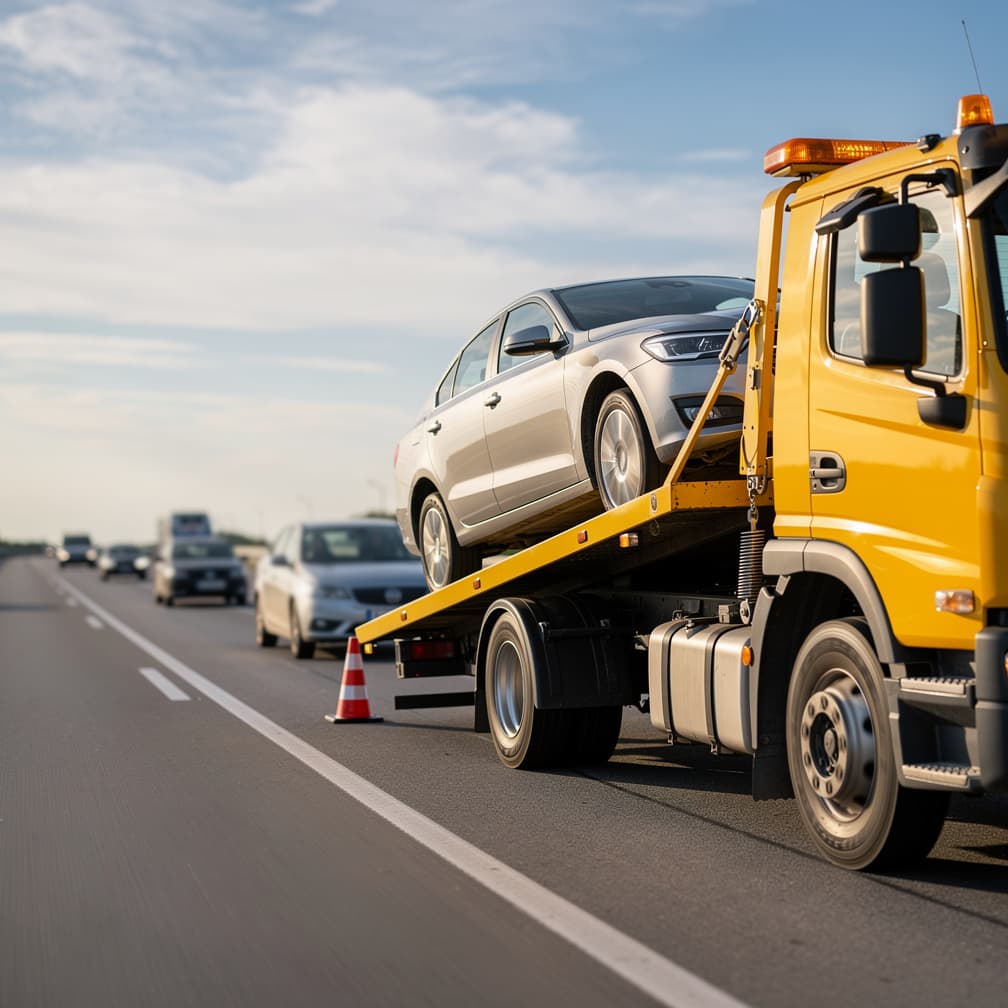
On-hook towing insurance is the part of your policy that can help cover a customer vehicle while it is attached to your truck, in transit, or being unloaded. For that reason, you should review on-hook terms around the parts of the job where disputes actually start. Think about low-clearance vehicles pulled from apartment complexes, all wheel drive units that need the right handling method, police-directed removals where the owner is not present, and after-hours drops where no one signs at delivery. A luxury sedan loaded at the wrong angle invites a bigger payout than a beater pickup hauled the same way. Rain, wind, and storm cleanup can increase emergency calls, reduce visibility, and create rushed loading conditions that turn a straightforward tow into a damage dispute.
You should also compare how your policy coordinates with the rest of your towing program. If you run storage, impounds, recovery, or dealer transport, ask where one coverage responsibility ends and another begins so a claim does not get delayed by avoidable gaps in reporting. Request specimen forms, not just a summary, before you bind.
Coverage Included
Collision on Hook
Covers damage to towed vehicles from collisions during transport.

Comprehensive on Hook
Covers theft, fire, and weather damage to vehicles being towed.
Loading & Unloading
Covers damage during the process of loading and unloading vehicles.
Winching Coverage
Covers damage to vehicles during winching and recovery operations.
Multiple Vehicle
Covers all vehicles on multi-car carriers and rollback flatbeds.
Industries & Insurance Needs in Charlotte
Mecklenburg County's business mix changes who may call you and what kind of vehicle custody questions follow. Professional, scientific, and technical services account for 13.9% of county establishments, health care and social assistance 10.2%, and retail trade 10%, so local towing demand often includes employee lots, customer parking areas, delivery vehicles, and time-sensitive removals tied to operating businesses rather than only breakdowns on the shoulder. That matters for on-hook coverage because the claim dispute is often about condition at pickup, authorization, keys, access constraints, or where the vehicle sits before release. If you serve offices, clinics, shopping centers, or mixed-use properties, ask an agent to review how your policy handles loaded vehicles, documentation expectations, and any differences between routine roadside work and property-directed tows. A short operations summary by account type can help the underwriter match terms to the way you actually take possession of vehicles here.
What Makes Charlotte Different
What shifts the underwriting math is the commercial handoff itself. In a market with dense property management, medical, office, and retail activity, your exposure is often less about a single dramatic recovery and more about repeated custody transfers where someone later questions pre-existing damage, loading method, or release condition. Charlotte's median household income is $78,438, which means a towed sedan or SUV may represent the household's second-largest asset outside of their home. Owners are more likely to scrutinize condition, timing, and paperwork when a car is delayed or damaged. The strongest submissions here usually do not stop at truck schedules. They walk the underwriter through how vehicles are authorized, photographed, moved, stored, and released. If your operation depends on repeat commercial referrals, review whether your limits and documentation habits fit that higher-expectation environment before you renew.
Our Recommendation for Charlotte
Lead with the accounts that drive your busiest handoffs rather than your equipment list. If a large share of your work comes from apartments, retail centers, repair facilities, or office properties, separate those relationships in your submission so the underwriter can see the full chain of custody. That separation tends to produce a cleaner review than blending every tow into one description. Ask specifically whether your current terms fit dealer moves, private property work, after-hours releases, and any heavier units you occasionally accept. Tighten up inconsistent paperwork before you shop for quotes. A simple intake checklist, timestamped photos, and a written release process can matter as much as equipment details when claims involve alleged damage. If you are unsure whether your current form matches your dispatch mix, request a free quote.
Get On-Hook Towing Insurance in Charlotte
Enter your ZIP code to compare on-hook towing insurance rates from carriers in Charlotte, NC.
Business insurance starting at $25/mo
FAQ
Frequently Asked Questions
Charlotte underwriters usually want a clear picture of where your calls originate, how you store vehicles, how far you travel, and what you typically tow. Commercial referral work is common here, so certificates, account descriptions, and documented handoff procedures can matter early in the conversation.
It can, since private property work creates repeated custody transfers. If you tow for apartments, retail centers, or offices, your documentation habits around authorization, condition photos, and release procedures directly influence how claim disputes play out.
When a metro area packs tens of thousands of businesses into one county, commercial accounts tend to impose stricter proof and paperwork requirements than roadside calls. If your work depends on property managers or business accounts, ask for terms reviewed around those handoffs, not only roadside volume.
Household vehicles often carry real financial weight. With median household income at $78,438, owners may closely question damage, delays, or storage handling. Solid intake photos, timestamps, and signed releases give underwriters confidence that you can defend a claim rather than simply pay it.
Yes, because Mecklenburg County's leading sectors include professional services at 13.9%, health care at 10.2%, and retail at 10%. When one in three local jobs sits in those three categories, your pickup locations, authorization chains, and dispute risk all shift accordingly.
Yes. Private property impounds create some of the most common damage disputes in the state, especially when the owner is not present at pickup or release. Photo documentation, tow tickets, and clear policy terms are especially important before you rely on a quote for this work.
Weather can turn a routine tow into a disputed damage file by changing visibility, footing, and loading conditions. If you handle storm response or flood-related disablements, ask how those scenarios are documented and reviewed under your policy terms.
Buyers should provide a truck schedule, driver list, service area, contracts, and a clear breakdown of towing, impound, recovery, and transport work. Time-stamped photos and condition reports also help an underwriter understand how you manage claims.
Sources
- 1.U.S. Census Bureau, County Business Patterns, Mecklenburg County(Mecklenburg County has 36,081 business establishments, so a lot of your work can come from commercial accounts that want certificates, clear limits, and clean descriptions of operations before they trust you with customer vehicles.; Professional, scientific, and technical services account for 13.9% of county establishments, health care and social assistance 10.2%, and retail trade 10%, so local towing demand often includes employee lots, customer parking areas, delivery vehicles, and time-sensitive removals tied to operating businesses rather than only breakdowns on the shoulder.)
- 2.U.S. Census Bureau, ACS 5-Year Estimates, table B19013(Charlotte's median household income is $78,438, so the vehicles you tow may represent a meaningful household asset, and owners are more likely to scrutinize condition, timing, and paperwork when a car is delayed or damaged.)
Updated July 16, 2026