Updated July 5, 2026

Dealer Open Lot Insurance in Durham
You often run a local dealership here from a compact frontage lot, a leased side street parcel, or a small overflow space that keeps your sales line from looking crowded. Inventory may move between reconditioning, display, and off-site storage in the same week, while shoppers arrive from nearby neighborhoods, work campuses, and regional corridors expecting to compare several units quickly. Dealer open lot insurance in Durham should be reviewed around that operating pattern, not as a generic lot policy. If vehicles rotate between addresses, sit tightly parked, or spend part of the week at a secondary location, your quote should match where each unit is actually kept and how often it moves. Documentation matters too. A landlord, lender, or floorplan partner may want clear evidence of covered inventory values and listed locations before they are comfortable with your setup. Start by mapping every place vehicles are stored, how keys are controlled, and which units stay overnight away from the main line, then request a quote built around those details.
Dealer Open Lot Insurance Risk Factors in Durham
Durham's top risk factors include Flooding, Hurricane damage, Coastal storm surge, and Wind damage.
North Carolina has a high climate risk rating. Top hazards: Hurricane (Very High), Flooding (High), Severe Storm (High), Tornado (Moderate). The state's expected annual loss from natural hazards is $2.8B, which influences dealer open lot insurance premiums and may affect coverage availability in high-risk areas.
What Dealer Open Lot Insurance Covers
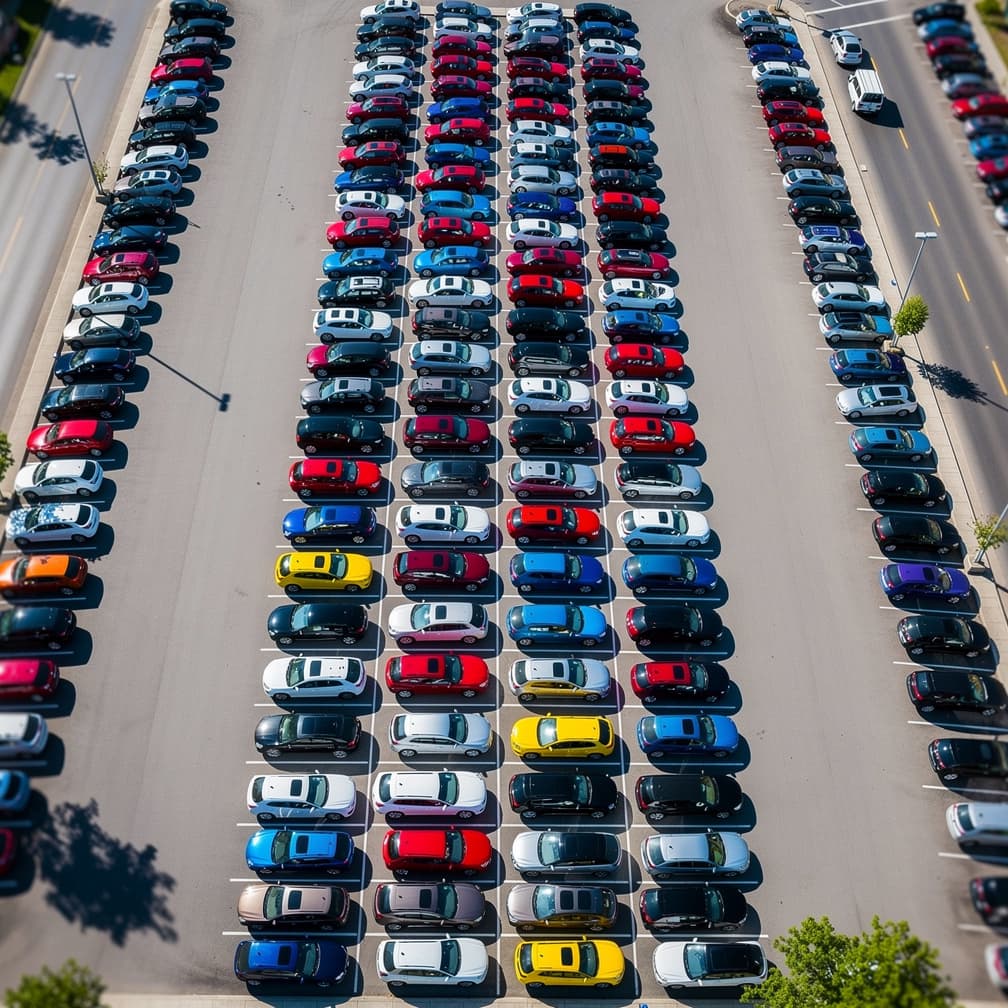
A coastal lot, an inland overflow yard, and a paved urban location can present very different loss patterns even when the vehicle count looks similar on paper. That is why you want the policy review to follow your operations: primary display area, back lot, service-adjacent parking, temporary storage, transport between owned locations, and any place units sit before sale.
Ask specifically how the policy treats vehicles kept at more than one address. If you rotate inventory between a main lot and a secondary storage site, that should be disclosed up front so the schedule and location details match reality. The same goes for units parked offsite during construction, lot resurfacing, or seasonal overflow. A claim gets harder to resolve when the insurer learns after the fact that inventory regularly sits somewhere not clearly described in the application.
Buyers should also review how the policy responds to weather-driven losses, because the state faces several natural hazard patterns that can affect outdoor inventory. Your deductible, limits, and storage practices should be tested against the hazards most relevant to your county and your exact lot layout. If water can pool near lower rows, if trees border the property, or if wind can turn unsecured objects into projectiles, those are underwriting details worth raising early.
You should also confirm how the policy handles ordinary dealership movement. Vehicles may be repositioned for merchandising, moved to detail, taken to a nearby storage area, or prepared for customer demonstrations. Those routine handling steps need to line up with the policy terms you are buying. Before you finalize coverage, walk the lot and write down every place a unit can sit, every person who can move it, and every circumstance where it leaves the main premises.
Coverage Included

Weather Damage
Covers hail, wind, flood, and storm damage to lot inventory.
Theft Protection
Covers vehicles stolen from your lot.
Fire Damage
Covers fire and explosion damage to inventory vehicles.

Vandalism
Covers intentional damage to vehicles on your lot.
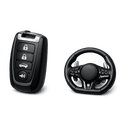
Test Drive Coverage
Covers vehicles during customer and employee test drives.
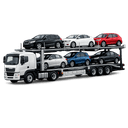
Transit Coverage
Covers vehicles being moved between lot locations.
Industries & Insurance Needs in Durham
Durham County business mix can change how an independent dealer thinks about inventory and buyer traffic. The county has 8,121 business establishments, so a small lot may be selling into a market where business-use vehicles, commuter cars, and practical replacement units all matter to different buyers. The same county data shows leading sectors are professional, scientific, and technical services at 16.2%, health care and social assistance at 12.3%, and retail trade at 11.4%, so your inventory plan may need to balance higher-mileage daily drivers with cleaner late-model units that appeal to salaried households and shift-based workers. That matters for coverage review because concentration risk is not only about unit count. It is also about whether similar-value vehicles are parked together, whether overflow storage holds your most financeable inventory, and whether your reported values stay current as stock mix changes. Before binding, compare your peak on-lot values against your normal mix and ask for each storage address to be scheduled correctly.
What Makes Durham Different
Buyer mix is the main thing that changes the calculus here. Durham median household income is $79,234, so many shoppers are not only looking for the lowest possible price point. They may also compare trim level, financing fit, mileage, and condition more closely before committing. For a dealer, that can translate into carrying a narrower but higher-value mix, or keeping your most marketable units front-line ready while older inventory sits elsewhere. That difference matters because dealer open lot coverage is sensitive to where value accumulates, not just how many vehicles you own. If your strongest units are clustered on one pad, or if overflow storage holds vehicles that would be hardest to replace after a loss, your limits and location schedule deserve a closer review. The practical move is to line up your current inventory values by address, identify where your highest-value units spend the night, and make sure the quote reflects that concentration.
Our Recommendation for Durham
Start with a location-by-location inventory worksheet, even if your operation feels small. List every address where vehicles are parked, which units are sale-ready, which are awaiting service, and which ones move between spaces during the month. That helps an underwriter see your real exposure instead of a simplified snapshot. Next, review how tightly vehicles are parked and whether your highest-value units are grouped together, because concentration at one address can change how much limit you should consider. If you lease space, ask for the exact insurance wording the property owner wants before you finalize coverage, rather than trying to amend documents later. It is also worth checking that your reported inventory values keep pace with seasonal buying shifts and any move toward newer or cleaner units. Before you buy, request a quote that schedules each active storage location clearly and matches your actual overnight storage pattern.
Get Dealer Open Lot Insurance in Durham
Enter your ZIP code to compare dealer open lot insurance rates from carriers in Durham, NC.
Business insurance starting at $25/mo
FAQ
Frequently Asked Questions
Durham dealers should usually review both addresses with the agent if inventory is stored at each location. A quote works better when every active storage site is scheduled clearly, especially if vehicles rotate between the sales line and overflow during the week.
Durham County has 8,121 business establishments, which points to a broad local buyer base and varied vehicle demand. That makes it smart to review not just unit count, but where your highest-value or fastest-selling inventory is parked overnight.
Durham median household income is $79,234, so some dealers may carry a tighter mix of cleaner or higher-value units. If that is your model, review whether your limits still fit the value concentrated at each storage address.
Durham County's leading sectors are professional, scientific, and technical services at 16.2%, health care and social assistance at 12.3%, and retail trade at 11.4%. That can support mixed demand, so your coverage review should track changing inventory values, not just vehicle totals.
Dealerships often may if sale inventory stays at that yard overnight or during overflow periods. The key issue is whether the address is disclosed and scheduled correctly, so ask the insurer to review every storage location before the policy is issued.
Lots should be reviewed around the state's leading natural hazards, because outdoor inventory can be affected differently by drainage, wind exposure, and surrounding debris. Ask how your deductible and storage practices fit your exact property layout.
Insurance is regulated by the North Carolina Department of Insurance, so it is smart to compare policy wording and complaint-handling expectations with that state framework in mind before you choose a quote.
Dealers often can, depending on the specific policy terms. The policy should reflect each address where inventory is stored or rotated. If vehicles move between a main lot and a secondary site, disclose that pattern before the policy is issued.
Sources
- 1.U.S. Census Bureau, County Business Patterns, Durham County(Durham County has 8,121 business establishments.; Durham County's leading sectors are professional, scientific, and technical services at 16.2%, health care and social assistance at 12.3%, and retail trade at 11.4%.)
- 2.U.S. Census Bureau, ACS 5-Year Estimates, table B19013(Durham median household income is $79,234.)
Updated July 5, 2026