Updated July 5, 2026

Builders Risk Insurance in Raleigh
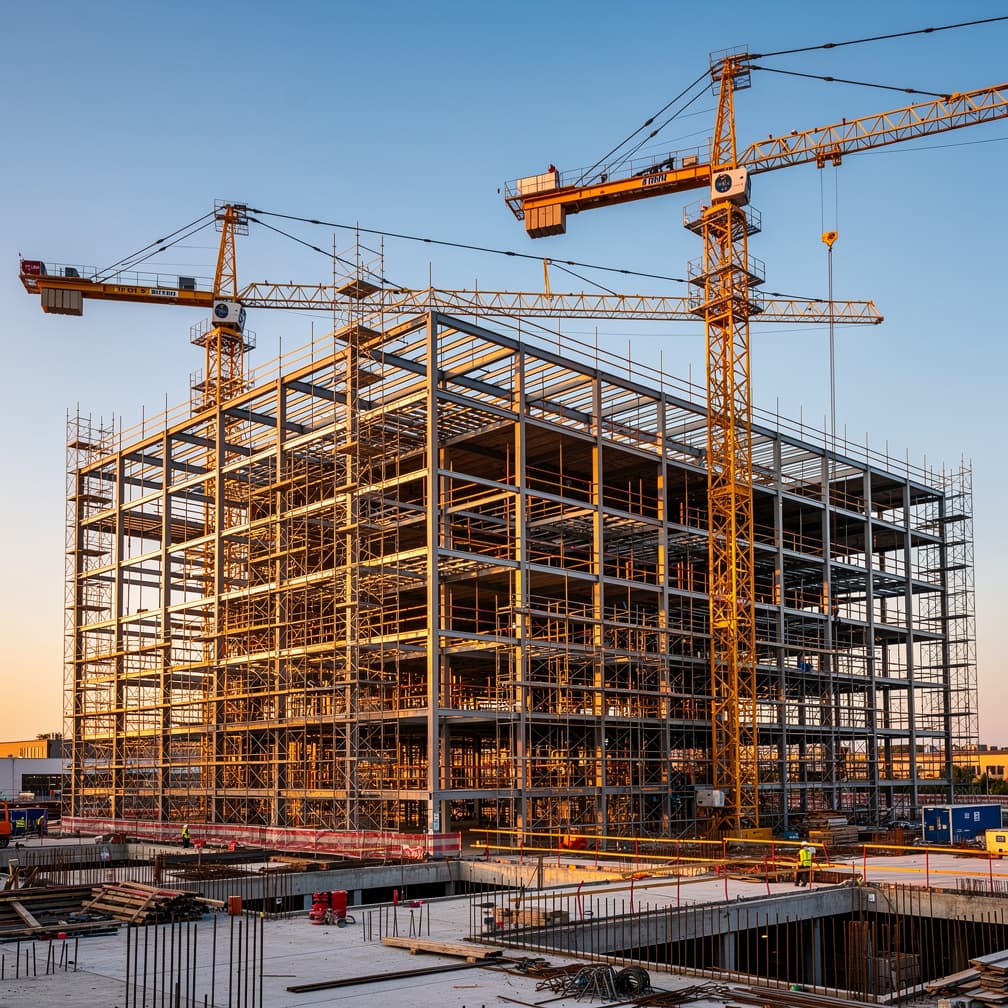
Raleigh is a tighter local market than Charlotte or the coast, and that changes how you place a course of construction policy. Fewer carriers may want every project type, local lenders and owners often want clean proof of coverage before funds release, and underwriters usually look closely at who controls the site, where materials sit, and how quickly you can document values. That is why builders risk insurance in Raleigh works best when your submission is specific from the start, especially for infill homes, higher value custom work, and occupied renovations near established neighborhoods. The city’s median home value is $377,800, so even a single dwelling project can carry enough completed value that soft assumptions on materials, change orders, or theft controls create avoidable gaps. Raleigh’s median household income is $82,424, so owners commissioning additions or rebuilds may choose upgraded finishes and custom selections that need to be scheduled accurately before a loss happens. Bring your construction budget, draw schedule, site security details, and any lender insurance requirements into the quote conversation early.
Builders Risk Insurance Risk Factors in Raleigh
Raleigh's top risk factors include Flooding, Hurricane damage, Coastal storm surge, and Wind damage.
North Carolina has a high climate risk rating. Top hazards: Hurricane (Very High), Flooding (High), Severe Storm (High), Tornado (Moderate). The state's expected annual loss from natural hazards is $2.8B, which influences builders risk insurance premiums and may affect coverage availability in high-risk areas.
What Builders Risk Insurance Covers
A ground-up residential build near the coast can raise different questions than an infill commercial renovation in Charlotte, Raleigh, or a smaller downtown corridor where buildings sit close together and deliveries are staged off-site. Your policy should track how property moves and where it sits before it becomes part of the work.
For many projects, the practical issue is not the basic structure description. It is whether you need to schedule temporary works, stored materials, items in transit, or soft cost-related endorsements if a covered loss interrupts the timeline. If your framing package is delivered early and held at a separate yard, or specialty fixtures are waiting for installation while another trade finishes, you want those logistics discussed before binding. If you are renovating an older building, ask how the policy distinguishes between covered work and the original structure, and whether debris removal, pollutant cleanup, or ordinance-related rebuilding issues should be reviewed.
North Carolina also has a single named insurance regulator, the North Carolina Department of Insurance. This means the forms and endorsements filed for use here are what you should be comparing, not generic national templates. Hand over the plans, contract, draw schedule, and a list of high-value materials that will be stored away from the site or installed late in the project.
Coverage Included

Structure Coverage
Covers the building or structure under construction.
Materials on Site
Covers building materials stored at the construction site.

Materials in Transit
Covers materials being transported to the job site.
Temporary Structures
Covers scaffolding, fencing, and temporary buildings.

Soft Costs
Covers additional expenses from construction delays due to covered losses.

Equipment Coverage
Covers permanently installed fixtures and equipment.
Industries & Insurance Needs in Raleigh
Wake County has 33,076 business establishments, so local construction does not happen in isolation. Projects often depend on landlord requirements, lender draw conditions, vendor contracts, and owner agreements that ask for clear evidence of coverage before materials are delivered or work starts. The county business mix also matters: professional, scientific, and technical services account for 17.1% of establishments, retail trade 10.9%, and health care and social assistance 10.8%. That points to steady demand for office build-outs, storefront work, and occupied renovations where a delay can affect tenants, patients, staff access, or opening dates. If your job touches an occupied building or a tenant improvement schedule, ask for the quote to match the actual contract structure, including who is named, what property is in transit or temporary storage, and how delay-related exposures are handled under the policy terms.
What Makes Raleigh Different
Submission quality is what changes the calculus here. In a market with plenty of renovation, infill, and higher finish residential work, underwriters often make decisions based on how clearly your project is described, not just on the address and completed value. A vague application can leave too much room around existing structure values, owner supplied materials, temporary storage, fencing, water damage controls, and who bears the risk of loss under the contract. That matters more on local jobs where the project may be small in footprint but expensive in finishes or tied to a lender draw schedule. If you are building a custom home, converting space for a tenant, or renovating an occupied property, treat the insurance submission like part of the preconstruction package. Spell out the scope, construction type, security, timeline, and any phase turnover. The cleaner the file, the easier it is to compare terms, exclusions, and valuation methods before work is underway.
Our Recommendation for Raleigh
Start with the contract set, not the application alone. Review who must be insured, who owns materials before installation, and whether the project includes existing structure, temporary works, or owner furnished items that need to be declared. For a custom residential build, confirm that the completed value reflects current finish selections and not an early budget that is already outdated. For a renovation or tenant improvement, ask specifically how the policy treats the part of the building that already exists, because that line is where misunderstandings often start. If a lender is involved, request sample evidence wording early so you are not revising the policy at closing or first draw. It is also worth checking where materials will be stored and who is responsible for site security after hours. Before binding, compare valuation, covered causes of loss, theft limitations, water damage conditions, and the planned completion date against the actual construction schedule.
Get Builders Risk Insurance in Raleigh
Enter your ZIP code to compare builders risk insurance rates from carriers in Raleigh, NC.
Business insurance starting at $25/mo
FAQ
Frequently Asked Questions
Raleigh custom home projects should verify completed value, owner furnished materials, and lender requirements before binding. With the local median home value at $377,800, understated values can become a real problem once upgraded finishes, appliances, or change orders are added.
Raleigh renovation projects often need a clear review of existing structure exposure, because the new work and the preexisting building are not always treated the same way. Ask how the policy handles occupied space, partial turnover, and materials stored for phased work.
Wake County has 33,076 business establishments, so many projects involve leases, lender draws, vendor contracts, or tenant deadlines that require prompt proof of coverage. Bring those documents into the quote process so named insureds and project interests match the paperwork.
Raleigh tenant improvement submissions quote more cleanly when you provide the lease requirements, scope of work, construction budget, timeline, and whether the space stays occupied during construction. That helps you compare terms for materials, theft, water damage, and phased completion.
Wake County’s leading sectors include professional, scientific, and technical services at 17.1%, retail trade at 10.9%, and health care and social assistance at 10.8%. That makes office build-outs, storefront work, and occupied interior renovations worth documenting carefully before coverage starts.
The buyer is usually the party the contract makes responsible for insuring the project, often the owner or general contractor. Review the agreement first, then confirm named insureds, lender interests, and property responsibilities before binding.
Off-site materials may be addressed, depending on your policy terms and how the storage arrangement is disclosed. If you use supplier yards or temporary warehouses, list those locations early so the quote reflects them.
Renovation projects are often worth a close review because the key issue is how the policy may treat new work inside or attached to an existing structure. Ask for clear wording on that boundary before you buy.
Sources
- 1.U.S. Census Bureau, ACS 5-Year Estimates, table B25077(The city’s median home value is $377,800, so even a single dwelling project can carry enough completed value that soft assumptions on materials, change orders, or theft controls create avoidable gaps.)
- 2.U.S. Census Bureau, ACS 5-Year Estimates, table B19013(Raleigh’s median household income is $82,424, so owners commissioning additions or rebuilds may choose upgraded finishes and custom selections that need to be scheduled accurately before a loss happens.)
- 3.U.S. Census Bureau, County Business Patterns, Wake County(Wake County has 33,076 business establishments, so local construction does not happen in isolation.; The county business mix also matters: professional, scientific, and technical services account for 17.1% of establishments, retail trade 10.9%, and health care and social assistance 10.8%.)
Updated July 5, 2026