







































Updated July 16, 2026

Builders Risk Insurance in Bismarck
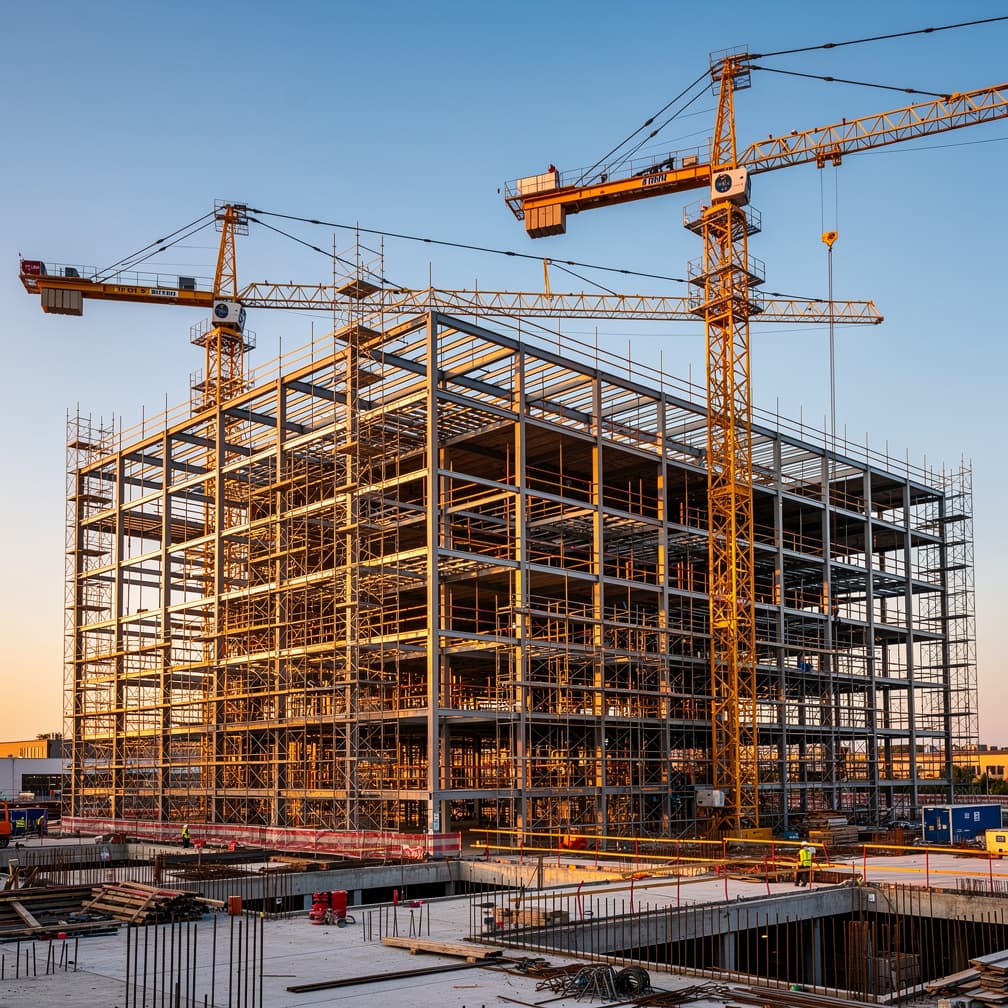
Burleigh County has 3,201 business establishments. That volume of commercial activity means owners, lenders, and landlords around Bismarck often expect a cleaner insurance package before funds are released, a lease is signed, or a project is allowed to move from bid to build. When you shop for builders risk insurance here, your policy details can affect whether a job starts on schedule or stalls while documents are revised. On a ground-up home, a commercial buildout, or a major remodel, you usually need your named insured, project address, and construction value lined up early so the certificate and policy language match the contract set. Soft-cost discussion should happen at the same stage. If your build involves a bank draw schedule, owner-supplied materials, or phased occupancy, ask for those details to be reviewed before binding. That way you are not fixing paperwork after materials arrive on site.
Builders Risk Insurance Risk Factors in Bismarck
Bismarck's top risk factors include Severe weather, Property crime, Flooding, and Vehicle accidents.
North Dakota has a high climate risk rating. Top hazards: Severe Storm (Very High), Flooding (High), Winter Storm (Very High), Tornado (High). The state's expected annual loss from natural hazards is $480M, which influences builders risk insurance premiums and may affect coverage availability in high-risk areas.
What Builders Risk Insurance Covers
The useful review is not just the structure under construction. The state-specific difference is how often property moves through several stages before it becomes part of the finished job. Materials may sit in a supplier warehouse, a temporary storage location, or a fenced laydown area before crews install them. If your project depends on long-lead items or weather-sensitive delivery windows, ask whether those locations and transit exposures are scheduled the way the job actually operates.
You should also review what happens after a partial installation. Windows, mechanical equipment, electrical components, and interior materials can become more vulnerable once they are delivered or set in place. This is especially true if another trade is not ready to close in the building immediately. A practical quote review looks at the sequence of work, not just the final plans, which helps you see whether the policy terms line up with the points where theft, water intrusion, or weather damage would create the biggest setback.
North Dakota buyers should also check whether the policy is written to match the contract structure. On some jobs, the owner buys the policy and adds the general contractor and key subs where required. On others, the contractor is responsible for arranging coverage that satisfies the owner and lender. The important step is to compare the insurance requirement in the contract against the quote language for named insureds, additional interests, covered property categories, and any limits that apply to temporary works, stored materials, or debris-related costs. If a project includes a renovation, ask how existing structure, installed materials, and the work area are separated so a claim dispute is less likely after a loss.
Coverage Included

Structure Coverage
Covers the building or structure under construction.
Materials on Site
Covers building materials stored at the construction site.

Materials in Transit
Covers materials being transported to the job site.
Temporary Structures
Covers scaffolding, fencing, and temporary buildings.

Soft Costs
Covers additional expenses from construction delays due to covered losses.
Equipment Coverage
Covers permanently installed fixtures and equipment.
Industries & Insurance Needs in Bismarck
Construction accounts for 12.7% of business establishments in Burleigh County, the highest share among the county's leading sectors, ahead of retail trade at 12.2% and other services at 11.7%. So local buyers are operating in a market where construction activity is common enough that counterparties tend to notice missing details quickly. On a builders risk placement, that usually means more scrutiny on project values, renovation versus new-build classification, who is responsible for temporary structures, and whether owner-furnished materials need to be scheduled or at least discussed. In a market with this much construction presence, vague applications stand out for the wrong reason. If you are comparing quotes, give each carrier the same scope of work, completed value, timeline, and financing terms so you can compare actual coverage differences instead of sorting through inconsistent assumptions.
What Makes Bismarck Different
Financing discipline is what changes the calculus here. Bismarck's median household income is $77,608 and median home value is $291,400. Those figures tell you that even residential projects often involve enough money that a lender, owner, or general contractor wants the insurance documents to match the budget and draw process closely. A policy that names the wrong insured, uses the wrong completed value, or ignores owner-purchased materials can slow a closing or hold up a draw request even if the job itself is ready to move. Before you bind, compare the construction contract, loan requirements, and quote side by side and resolve any mismatch while changes are still easy.
Our Recommendation for Bismarck
Start with the paperwork that drives the project, not with a generic application. If you are building or renovating here, pull together your contract amount, completed value, site address, and lender insurance requirements before you request terms. That helps you avoid a policy that fits the building description but not the transaction behind it. If the owner is supplying cabinets, fixtures, or other finish materials, raise that point early and ask how those items should be treated during storage, delivery, and installation. For a remodel, confirm whether the carrier wants the existing structure values separated from the new work so there is less confusion if a loss affects both. If the project will finish in phases, check whether occupancy or turnover could affect the policy period and any needed extensions. The goal is a quote you can hand to a lender, owner, or GC without another round of corrections.
Get Builders Risk Insurance in Bismarck
Enter your ZIP code to compare builders risk insurance rates from carriers in Bismarck, ND.
Business insurance starting at $25/mo
FAQ
Frequently Asked Questions
Bismarck projects move more smoothly when you bring the contract value, project address, construction timeline, financing terms, and named insured details up front. Incomplete submissions are more likely to trigger follow-up questions than faster approvals.
Bismarck residential builds often involve meaningful property values. A careful review of completed value helps the policy align with the budget, lender expectations, and the amount at risk as work progresses.
Burleigh County has a strong construction presence, with construction making up 12.7% of establishments. Owners, lenders, and contractors see these policies often enough that they quickly spot missing insured names, unclear project values, or mismatched terms.
Bismarck remodels often involve owner-selected finishes and staged deliveries, so that issue should be reviewed before binding. If cabinets, flooring, or fixtures are purchased outside the main contract, ask how the policy treats those materials at each stage of the job.
Lenders in this market commonly want the insured name, project address, and completed value to match the loan file before releasing funds or approving draws. Getting those details right up front can keep your financing on track.
The state's insurance department regulates builders risk, which means policy questions, form concerns, and complaint processes go through that office. You can reach the North Dakota Insurance Department at 701-328-2440 or insurance.nd.gov. Your first move should always be to read the policy language itself, but that office is available if you need to escalate an unresolved issue.
Renovation projects often require a careful builders risk review because the job can involve new materials, partially completed work, and an existing structure at the same address. Ask the quote to separate what is being built from property insured under other policies.
Projects here often require that question up front because materials may be stored before installation. Coverage may depend on the policy terms and how the storage location is described, so list each location in the submission instead of assuming it is included.
Sources
- 1.U.S. Census Bureau, County Business Patterns, Burleigh County(Burleigh County has 3,201 business establishments.; Construction accounts for 12.7% of business establishments in Burleigh County, ahead of retail trade at 12.2% and other services at 11.7%.)
- 2.U.S. Census Bureau, ACS 5-Year Estimates, table B19013(Bismarck's median household income is $77,608.)
- 3.U.S. Census Bureau, ACS 5-Year Estimates, table B25077(Bismarck's median home value is $291,400.)
Updated July 16, 2026





