Updated March 31, 2026
CPK Insurance Editorial Team
Reviewed by Licensed Insurance Agents
Car Insurance in Fargo
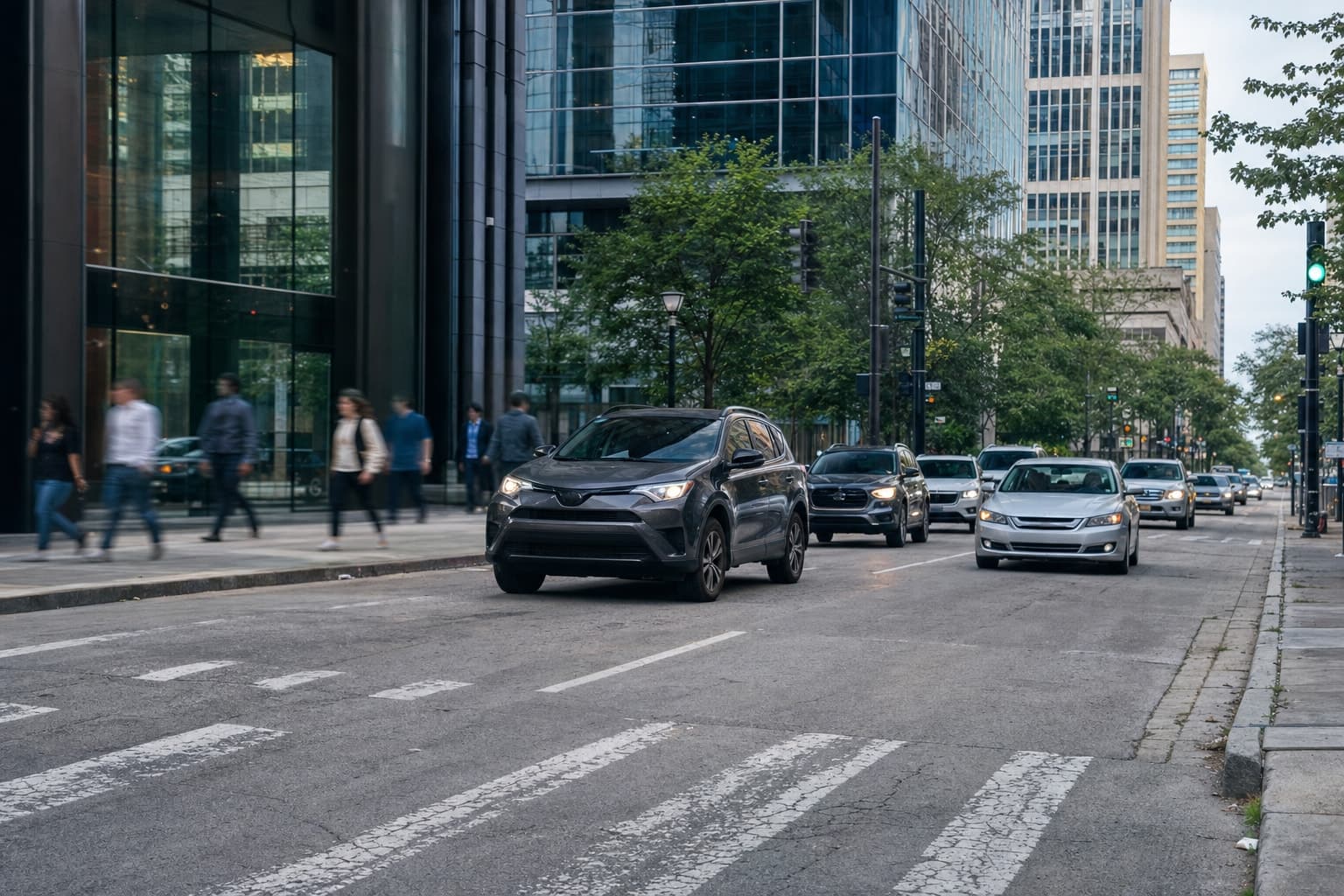
For drivers comparing car insurance in Fargo, the decision is shaped by more than just a commute across town. Fargo’s average commute is 28.5 minutes, and that extra time on the road can affect how you think about liability, collision, comprehensive, uninsured motorist, medical payments, and rental reimbursement coverage. The city also has 2,736 annual crashes and 11 fatal crashes, so even routine trips along busy corridors can turn into a claim. Fargo’s risk profile includes severe weather, flooding, and vehicle accidents, which makes it worth looking closely at how your policy handles different kinds of losses. Local conditions matter too: the city’s cost of living index is 74, median household income is $60,646, and the area has a mix of neighborhoods, parking situations, and driving patterns that can change your premium. If you park outside near open lots, drive daily across town, or rely on one vehicle for work and family errands, the way you structure your deductible and coverage limits can matter just as much as the monthly price.
Car Insurance Risk Factors in Fargo
Fargo’s biggest insurance pressure points line up with its local risk profile. Severe weather and flooding are the most obvious reasons comprehensive coverage deserves attention, especially for drivers who park outdoors or leave a vehicle exposed during storm season. The city’s flood zone percentage is 7, which is not extreme, but it is enough to make water-related losses a real consideration for some neighborhoods and parking areas. Vehicle accidents are another major factor: Fargo recorded 2,736 annual crashes in 2023, and the crash pattern includes running red lights or stop signs, lane departure, speeding, and impaired driving. Those are the kinds of local conditions that make liability coverage, collision coverage, and uninsured motorist coverage worth reviewing closely. With an uninsured driver rate of 6, a claim can also involve another driver who carries limited protection. If you drive through busier intersections, commute longer distances, or spend time on roads with heavier traffic flow, your risk of a claim can look different from a driver with shorter, less frequent trips.
North Dakota has a high climate risk rating. Top hazards: Severe Storm (Very High), Flooding (High), Winter Storm (Very High), Tornado (High). The state's expected annual loss from natural hazards is $480M, which influences car insurance premiums and may affect coverage availability in high-risk areas.
What Car Insurance Covers
In North Dakota, car insurance coverage is shaped by the state’s accident patterns, weather exposure, and the policy options carriers file for local drivers. Liability coverage is the foundation because North Dakota drivers need protection if they cause injuries or damage in an auto accident, and state rules and carrier forms may differ by limits and endorsements. Collision coverage is the part that responds when your own vehicle is damaged in a crash, while comprehensive coverage is the option that can address non-collision losses tied to severe storm, winter storm, tornado, hail, or flooding exposure, all of which are relevant in this state. Uninsured motorist coverage is especially important here because the uninsured driver rate is 6.2, so a claim can involve another driver who may not have enough protection. Medical payments coverage can help with medical expenses after a crash, regardless of fault, and rental car coverage or rental reimbursement coverage can matter if your vehicle is being repaired after a covered loss. North Dakota’s market is regulated by the North Dakota Insurance Department, and coverage requirements may vary by industry and business size for vehicles used in a work setting. That means the right policy in Fargo may not look exactly like the right policy in Bismarck or Minot, especially if your commute, parking situation, or driving frequency changes your risk profile.
Coverage Included

Liability
Protection for liability-related losses and claims

Collision
Protection for collision-related losses and claims

Comprehensive
Protection for comprehensive-related losses and claims

Uninsured Motorist
Protection for uninsured motorist-related losses and claims

Medical Payments
Protection for medical payments-related losses and claims

Rental Reimbursement
Protection for rental reimbursement-related losses and claims
Car Insurance Cost in Fargo
In North Dakota, car insurance premiums are 14% below the national average. This means competitive rates are available.
Average Cost in North Dakota
$86 – $229 per month
per month
- Driving record and age
- Vehicle make, model, and year
- Location and commute distance
- Credit-based insurance score
- Coverage limits and deductibles
Contact CPK Insurance for a personalized quote.
National average: $100 – $233 per month
* Estimates based on industry averages. Actual premiums depend on your specific business details, claims history, and coverage selections. Rates shown are for informational purposes only and do not constitute a quote.
The average premium range for this product in North Dakota is $86 to $229 per month, which sits below the national average based on the state’s premium index of 86. That lower index does not mean every driver gets the same car insurance cost in North Dakota, because pricing still depends on coverage limits, deductibles, claims history, location, policy endorsements, and the vehicle itself. Severe storm exposure is a real pricing factor here, since North Dakota’s climate risk profile shows very high ratings for severe storm and winter storm hazards, plus high ratings for flooding and tornado risk. Those weather risks can make comprehensive coverage in North Dakota more relevant for drivers who park outside or travel long distances on open roads. The state also recorded 14,000 crashes and 110 fatalities in 2023, with reckless driving, drowsy driving, and running red lights or stop signs among the top causes, which can influence premium outcomes for some drivers after a claim or violation. North Dakota’s 220 active insurance companies create a competitive market, and the top carriers in the state include State Farm, Nodak Insurance, Farm Bureau, GEICO, and Progressive. In practical terms, a car insurance quote in North Dakota can move up or down depending on whether you choose higher liability coverage, collision coverage, comprehensive coverage, a lower deductible, or add-ons such as rental reimbursement coverage. Drivers in places like Bismarck, Fargo, Grand Forks, and Minot may see different results because location is part of pricing and local repair access can vary.
Industries & Insurance Needs in Fargo
Fargo’s economy points to steady demand for practical car insurance coverage rather than a one-size-fits-all approach. Healthcare & Social Assistance is the largest local industry at 16.2%, followed by Retail Trade at 9.4%, Mining & Oil/Gas Extraction at 8.6%, Agriculture at 5.8%, and Construction at 5.2%. That mix matters because many workers depend on their vehicles for daily commuting, shift work, or travel between job sites, stores, clinics, and service locations. A nurse, retail manager, field worker, or construction employee may all need different combinations of liability coverage, collision coverage, comprehensive coverage, medical payments coverage, and rental reimbursement coverage based on how often they drive and whether they can go without a vehicle for even a few days. Fargo also has 3,654 business establishments, so the city’s roads see a lot of everyday traffic tied to employment, errands, and service work. That creates a stronger case for reviewing coverage limits carefully, especially if your car is essential for getting to work on time or handling family responsibilities across town.
Car Insurance Costs in Fargo
Fargo’s cost context is shaped by a median household income of $60,646 and a cost of living index of 74, which suggests that many shoppers are trying to balance monthly premium with practical protection. That makes deductible choice especially important. A higher deductible can lower the monthly bill, while a lower deductible can raise it, so the right setup depends on how much cash you want to keep available after a claim. Because Fargo drivers face real accident and weather exposure, some people prefer to keep collision coverage and comprehensive coverage in place even when they are watching budget closely. The local market also reflects the city’s role as a regional hub, where commute length, parking conditions, and vehicle use can influence a car insurance quote. If your vehicle is newer, financed, or expensive to repair, the premium tradeoff may look different than it does for an older car. For shoppers comparing auto insurance in Fargo, the key question is not just what the premium is, but what level of car insurance coverage in Fargo fits the way you actually drive.
What Makes Fargo Different
The single biggest reason Fargo changes the insurance calculus is the combination of frequent driving, local accident exposure, and weather-related loss potential in a city with a 28.5-minute average commute. That means your policy has to do more than satisfy a basic requirement; it has to fit how often your vehicle is on the road, where it is parked, and how much disruption you can absorb after a claim. Fargo’s 2,736 annual crashes, 11 fatal crashes, and 6% uninsured driver rate make liability coverage, collision coverage, and uninsured motorist coverage especially relevant, while the city’s severe weather and flooding risk make comprehensive coverage harder to ignore. Add in a cost of living index of 74 and a median household income of $60,646, and many drivers need a policy that balances premium, deductible, and protection without overcommitting to either extreme. In Fargo, the right answer is usually tied to your commute, parking, and vehicle value more than to a generic citywide average.
Our Recommendation for Fargo
For Fargo drivers, I would start by comparing liability coverage, collision coverage, comprehensive coverage, uninsured motorist coverage, medical payments coverage, and rental reimbursement coverage as separate decisions rather than one bundle. If you park outside, drive across town every day, or rely on your car for work, comprehensive coverage deserves extra attention because of severe weather and flooding risk. If your commute is longer or you spend time on busier roads, collision and uninsured motorist coverage can be important parts of the discussion. I would also compare deductibles carefully: the right deductible is the one you can realistically pay after a claim, not just the one that lowers the quote. Because Fargo’s economy includes many workers who depend on a vehicle for daily life, rental reimbursement coverage can be worth asking about if you cannot easily go without transportation. Before you request a car insurance quote in Fargo, gather your mileage, parking details, and vehicle information so the quote reflects your actual use.
Get Car Insurance in Fargo
Enter your ZIP code to compare car insurance rates from carriers in Fargo, ND.
Business insurance starting at $25/mo
FAQ
Frequently Asked Questions
Drivers who park outside in Fargo often pay close attention to comprehensive coverage because severe weather and flooding are part of the local risk picture. Collision coverage and liability coverage still matter, but comprehensive is the part many shoppers review first when the vehicle is exposed.
Fargo’s average commute is 28.5 minutes, so many drivers spend enough time on the road that liability coverage, collision coverage, and uninsured motorist coverage deserve a close look. More time driving can also make rental reimbursement coverage more useful if your car is in the shop after a covered loss.
Fargo recorded 2,736 annual crashes, and the top causes include running red lights or stop signs, lane departure, speeding, and impaired driving. Those patterns are a reminder to review coverage limits, deductibles, and protection for your own vehicle, not just the minimum needed to drive.
With a median household income of $60,646 and a cost of living index of 74, many Fargo shoppers want a premium that fits the monthly budget without stripping away protection. That is why deductible choice and coverage limits matter so much when comparing a car insurance quote in Fargo.
It depends on how often they drive and whether their vehicle is essential to getting to work. In Fargo’s Healthcare & Social Assistance, Retail Trade, Mining & Oil/Gas Extraction, Agriculture, and Construction sectors, many people rely on their cars daily, so medical payments coverage and rental reimbursement coverage can be worth reviewing along with liability and collision.
A North Dakota policy can combine liability coverage for injuries or damage you cause, collision coverage for your own vehicle after a crash, comprehensive coverage for storm-related or non-collision losses, uninsured motorist coverage, medical payments coverage, and rental car coverage. The right mix depends on how often you drive in places like Fargo, Bismarck, or rural counties.
North Dakota policies are regulated by the North Dakota Insurance Department, and state-specific requirements can vary by vehicle use and situation. If you use a vehicle for work or have a special driving pattern, confirm with the carrier how your policy meets North Dakota car insurance requirements.
The average range is $86 to $229 per month, but your price depends on limits, deductibles, claims history, location, endorsements, and vehicle type. Drivers in storm-prone or high-mileage situations may see different quotes than drivers with limited use.
Liability coverage is the starting point, but collision coverage and comprehensive coverage can be important if you want protection for your own car after a crash or after severe storm, winter storm, hail, or flood-related damage. The right choice depends on vehicle value, parking conditions, and how much risk you want to retain.
Uninsured motorist coverage can help if you are involved in an auto accident with a driver who does not have enough protection, which matters in a state where the uninsured driver rate is 6.2. It is worth reviewing carefully if you drive frequently on highways or rural roads.
Higher deductibles usually reduce the premium, while lower deductibles usually increase it, and higher limits generally raise the price because the insurer is taking on more risk. That tradeoff is important in North Dakota because storm exposure and crash risk can make claim decisions more likely to matter.
Yes, many policies can include medical payments coverage and rental reimbursement coverage, which can help after a covered loss or auto accident. These options are worth considering if you rely on one vehicle for commuting in cities like Bismarck or for travel across rural areas.
Gather your vehicle information, driver details, mileage, and current coverage limits, then compare quotes from multiple carriers active in North Dakota. Look closely at liability, collision, comprehensive, uninsured motorist, medical payments, rental reimbursement, and the deductible before you choose.
The main types of car insurance coverage are liability (bodily injury and property damage), collision (damage to your car in an accident), comprehensive (theft, weather, and non-collision damage), uninsured/underinsured motorist, medical payments or personal injury protection (PIP), and rental car reimbursement. You can customize your policy with the coverages and limits that fit your needs.
There are several ways to reduce your car insurance costs: bundle with homeowners insurance for a multi-policy discount, maintain a clean driving record, raise your deductible, ask about low-mileage discounts, take advantage of safe driver and good student discounts, and compare quotes from multiple carriers. CPK Insurance shops your coverage across many insurers to find you the best rate.
Car insurance rates are determined by your driving record, age, location, vehicle make and model, credit score (in most states), annual mileage, coverage limits, deductibles, and claims history. Younger drivers and those with recent accidents or violations typically pay higher premiums.
Most car insurance policies can be quoted and bound within 24-48 hours for standard risks. An independent agent like CPK Insurance can compare options from multiple carriers and have your policy in place quickly. Certificates of insurance are typically available the same day the policy is bound.
Yes. Bundling auto with homeowners or renters insurance typically saves 15-25% on both policies. Some carriers also discount when you add umbrella liability coverage. An independent agent can shop bundled rates across multiple carriers for the best deal.
No. Standard personal auto insurance does not cover accidents while driving for rideshare platforms like Uber or Lyft, or delivery services like DoorDash. You need a rideshare endorsement or commercial auto policy to fill this gap. Driving for hire without proper coverage can result in a denied claim.
If you carry uninsured/underinsured motorist coverage (UM/UIM), your own policy pays for your injuries and vehicle damage when the at-fault driver has no insurance or insufficient coverage. About 13% of drivers nationwide are uninsured, making UM/UIM one of the most important coverages to carry.
Contact your insurance carrier's claims department immediately — most have 24/7 claims hotlines. Document the incident thoroughly with photos, written descriptions, and witness information. Notify your insurance agent as well. Prompt reporting is important, as delays can complicate or jeopardize your claim.
Updated March 31, 2026
CPK Insurance Editorial Team
Reviewed by Licensed Insurance Agents