
Updated July 16, 2026

Homeowners Insurance in Fargo
Buying a house here often means comparing newer subdivisions on the south and west side with older neighborhoods closer to downtown. Your home might include a finished basement, an attached garage, a backyard shed, or recent updates that change replacement details and deductible choices. A good quote starts with the home's construction era, basement setup, roof age, and the personal property you would realistically need to replace after a loss. The median home value sits at $269,800, which means even small differences in dwelling limits and water backup options can leave you tens of thousands short if you have to rebuild. If you are buying, refinancing, or reviewing before renewal, gather your inspection report, lender requirements, and a room by room inventory so you can compare limits and endorsements on equal footing.
North Dakota has a high climate risk rating. Top hazards: Severe Storm (Very High), Flooding (High), Winter Storm (Very High), Tornado (High). The state's expected annual loss from natural hazards is $480M, which influences homeowners insurance premiums and may affect coverage availability in high-risk areas.
What Homeowners Insurance Covers
In North Dakota, homeowners insurance is built around the same core protections found anywhere, but the way you size them should reflect local rebuilding costs, storm exposure, and lender expectations. Dwelling coverage should be set to the cost to rebuild, not the home's market value, because reconstruction costs are influenced heavily by local labor and construction pricing. A typical policy is built to handle a mid-range rebuild, though your own costs could run higher depending on materials and labor.
Other structures coverage can matter for detached garages, sheds, and fences, especially in rural areas where outbuildings are common. Personal property coverage can help protect belongings inside the home, with a good starting point around 50% to 70% of your dwelling limit, which matters when winter damage, theft, or fire affects furniture, clothing, appliances, and electronics. Liability coverage is important if someone is injured on your property, and medical payments coverage can help with smaller injury claims depending on the policy.
Additional living expenses coverage matters if a severe storm, fire, or wind loss makes your home unlivable while repairs are underway. Standard policies in North Dakota do not include flood damage, so river flooding, spring melt, or other flood exposure requires separate flood insurance through the NFIP or a private flood insurer. Policy terms, endorsements, and exclusions vary by carrier, so confirm exactly what your quote includes before binding.
Coverage Included
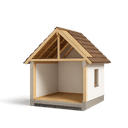
Dwelling
Repairs or rebuilds your home itself, the walls, roof, floors, built-in appliances, and attached structures like a garage, after a covered loss. Set this limit to the full cost of rebuilding, not market value.
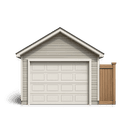
Other Structures
Detached structures on your property, such as a fence, shed, detached garage, or gazebo. Usually set at about 10 percent of your dwelling limit [2].

Personal Property
Your belongings, furniture, clothing, electronics, and appliances, generally written at 50 to 70 percent of your dwelling limit [2]. High-value items like jewelry and art carry special limits.

Additional Living Expenses
Also called loss of use. Pays your added living costs, hotel stays, meals, and a temporary rental, while a covered loss makes your home uninhabitable. Usually set at about 20 percent of your dwelling limit.

Liability
Covers you if someone is injured on your property, or you damage someone else's property, and you are found responsible. The standard $100,000 limit [2] is often raised to $300,000 or $500,000.

Medical Payments
Pays small medical bills, commonly $1,000 to $5,000, if a guest is hurt at your home regardless of fault, without a formal liability claim.
Homeowners Insurance Cost in Fargo
Average Cost in North Dakota
$110 - $260
per month
In North Dakota, homeowners insurance premiums typically run $110 - $260 per month, which tends to run 3% above the national range of $110 - $250 per month.
- Home replacement cost, age, and construction type
- Roof age, material, and condition
- ZIP code and local weather risk (wind, hail, wildfire, hurricane)
- Coverage limits and endorsements
- All-peril and percentage wind/hail deductibles
- Claims history and insurance score where allowed
Typical range for many standard homeowners profiles; lower-risk homes fall below it and coastal, wildfire, or older-roof homes can run well above. Final pricing depends on property details, location, underwriting, and selected coverage.
Prices shown are general estimates, not guaranteed rates or quotes. Your actual premium will depend on the insurer, coverage selected, personal details, location, claims history, and other underwriting factors. Learn about our pricing methodology.
Premiums in North Dakota tend to run below the national average, which can mean more room in your budget for higher dwelling limits or lower deductibles, yet storm exposure can still push prices up for some homes. The biggest cost drivers here are coverage limits and deductibles, claims history, location, policy endorsements, and the home's construction details. Local construction costs and labor rates have a high impact on pricing, which matters when rebuilding after a wind, fire, or winter storm loss, and roof age and material also influence premium because hail, wind, and snow load concerns are part of the local risk picture. Property crime rate and larceny-theft trends can affect personal property coverage pricing in some areas as well. If your home sits in a higher-exposure area near flood-prone ground or in a region with repeated severe weather, your quote may reflect that risk.
With several top names competing, comparing quotes can reveal meaningful differences in deductible options, endorsement pricing, and dwelling limits. Your exact price depends on the home and the coverage choices you make.
What Affects Homeowners Insurance Rates in Fargo
Fargo’s median household income is $66,029, so premium decisions here often come down to balancing monthly budget tolerance against the amount of loss you could realistically absorb yourself. That makes deductible selection more than a price exercise. A higher deductible can reduce premium, but it also means you need enough cash available if roof, siding, or interior water damage happens at the same time as other household expenses. The more useful quote comparison is not just premium, but premium beside deductible, dwelling limit, personal property treatment, and optional endorsements you may actually use. If you are trying to control cost, ask for side by side quotes with more than one deductible and with the same coverage assumptions on each version. That lets you see whether you are saving money efficiently or simply shifting too much risk back onto your household.
What Makes Fargo Different
Local values are high enough that underinsuring the structure or skipping key endorsements can create a real shortfall, but not so high that every buyer automatically chooses the broadest option without comparing tradeoffs. The practical work happens in finding the right balance between lender minimums and full replacement. You want the dwelling limit tied to rebuilding expectations, not just purchase price or an old estimate carried forward from a prior term. You also want to review whether finished basements, garages, decks, and detached structures are being counted accurately, since those details can move the claim outcome even when the premium difference looks modest. For many local households, the practical move is to compare one quote built around bare minimum lender compliance against another built around how the home would actually be repaired and refurnished after a serious loss.
Our Recommendation for Fargo
Start with the replacement side of the policy, not the premium. Ask your agent to walk through each coverage section the way a claim would actually unfold, from dwelling through other structures, personal property, loss of use, and liability. If your house has a basement, ask specifically how water backup is handled and whether the endorsement limit matches the amount of finished space and stored property you would be trying to restore. If you bought several years ago or completed updates, review whether your current limits still match the home as it stands today. You should also compare deductible options on the same coverage form instead of comparing unlike quotes, because a lower premium can come from reduced protection rather than better value. Before you bind or renew, verify roof age, update dates, and any lender conditions so the quote reflects the property accurately from the start.
Get Homeowners Insurance in Fargo
Enter your ZIP code to compare homeowners insurance rates from carriers in Fargo, ND.
Home insurance starting at $50/mo
FAQ
Frequently Asked Questions
Roof age, basement finish, electrical and plumbing updates, and any detached structures all shape how accurately your dwelling limits and endorsements get built. This matters most when an older home has been partially renovated over time and the policy has not caught up to the current condition.
Yes. Local pricing means your dwelling limit, other structures coverage, and deductible may no longer match the property you are actually insuring, so a periodic review is worth the effort.
Fargo homes with below grade finished space may want a water backup review. Standard policy terms may not handle sewer or drain backup the way owners expect, so ask how the endorsement works and what limit applies.
Cass County has 5,923 business establishments, which means a meaningful share of households run some type of business activity from home. If you use part of the house for deliveries, tools, client visits, or side work, ask whether your policy has business property or liability limitations.
Quote comparisons work best when each option uses the same dwelling limit, deductible, and endorsements, so you are weighing real differences in protection rather than just price.
Depending on your specific policy terms and covered perils, homeowners insurance can help cover the dwelling, personal property, liability, additional living expenses, other structures, and medical payments. It is especially relevant for losses tied to fire, wind, theft, and storm damage.
Monthly cost in North Dakota can vary widely based on coverage limits, deductibles, claims history, location, endorsements, and the home's rebuild cost. Your exact price depends on those factors, not just a statewide average.
Mortgage lenders usually require you to carry homeowners insurance even though North Dakota does not legally require every homeowner to buy it. They generally want enough dwelling coverage to protect the home securing the loan.
Sources
- 1.U.S. Census Bureau, ACS 5-Year Estimates, table B25077(Fargo’s median home value is $269,800.)
- 2.U.S. Census Bureau, ACS 5-Year Estimates, table B19013(Fargo’s median household income is $66,029.)
- 3.U.S. Census Bureau, County Business Patterns, Cass County(Cass County has 5,923 business establishments.)
Updated July 16, 2026