








































Updated July 5, 2026

Garage Keepers Insurance in Grand Forks
A tighter market is the first thing that changes this purchase locally. Fewer agencies may regularly place this line, and underwriters often want a clearer picture of how your shop handles customer vehicles before they quote. If you are shopping garage keepers insurance in Grand Forks, that usually means your submission needs to be specific: where cars sit after hours, who has key control, whether you use fenced outdoor storage, and how often vehicles stay overnight during parts delays or backlog. In a market this size, proof expectations also travel fast. Landlords, lenders, dealer partners, and commercial accounts often want certificates that match your actual operations, not a generic package. Grand Forks County has 1,876 business establishments, so local referral relationships matter and a coverage gap can affect more than one account at a time. If your shop serves fleet customers, restaurant delivery vehicles, contractor pickups, or retail commuters, ask for a quote built around custody patterns, lot layout, and after-hours procedures, then compare limits and deductibles before you renew.
Garage Keepers Insurance Risk Factors in Grand Forks
Grand Forks's top risk factors include Severe weather, Property crime, Flooding, and Vehicle accidents.
North Dakota has a high climate risk rating. Top hazards: Severe Storm (Very High), Flooding (High), Winter Storm (Very High), Tornado (High). The state's expected annual loss from natural hazards is $480M, which influences garage keepers insurance premiums and may affect coverage availability in high-risk areas.
What Garage Keepers Insurance Covers
The useful review is not the broad national definition, it is the exact moment your responsibility begins and ends for each vehicle in your care. That usually means looking at your work order language, drop box process, key handling, overnight parking routine, and whether vehicles ever sit off site or in an unfenced overflow area. If a customer leaves a vehicle before you open, or picks it up late, you want the handoff procedure documented so there is less confusion about when the vehicle entered your care.
This also matters for shops that face long repair cycles. A vehicle that stays on your premises while you wait for parts creates a different exposure than a same-day oil change bay. The same is true if your staff moves vehicles between service stalls, detail areas, paint space, or outside storage. Each transfer point is where claims questions often start, so your policy review should match your actual workflow.
North Dakota weather can make storage decisions more important than they look on paper. If you regularly keep vehicles outdoors, ask how your coverage basis, limits, and deductible interact with that practice. Coverage basis is simply how the insurer values a damaged vehicle, whether by its actual cash value, the cost to repair it, or another method. If you store vehicles indoors, review whether your maximum number on site during storms, cold snaps, or backlog periods is still accurate.
Coverage Included
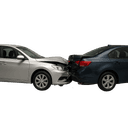
Collision Coverage
Covers damage to customers' vehicles from collisions while in your care.

Comprehensive Coverage
Covers theft, vandalism, fire, and weather damage to customers' vehicles.
Specified Perils
Covers only specifically named perils at a lower premium.

Legal Liability
Covers damage you or your employees directly cause to a customer's vehicle.

Direct Primary
Pays regardless of fault, the broadest garage keepers coverage available.
Industries & Insurance Needs in Grand Forks
The county business mix changes which vehicles you are likely to hold and why that matters for this coverage review. In Grand Forks County, retail trade accounts for 14.6% of establishments, construction 11%, and accommodation and food services 10.6%. That mix points to a steady flow of work trucks, vans, pickups, and employee vehicles that may stay on your premises while parts are sourced or schedules shift. For a repair shop, tire dealer, service garage, or body operation, that means the question is not just how many vehicles you touch. It is whether you regularly keep customer units overnight, stack them tightly during busy weeks, or move them between indoor bays and outdoor spaces. If a meaningful share of your book comes from contractors, restaurants, or retail operators, ask for your quote to reflect the types of vehicles you store, the busiest days on your lot, and any seasonal overflow procedures.
What Makes Grand Forks Different
Small-market visibility is what changes the calculus here. In a larger metro, a coverage issue can stay isolated to one location or one account. Here, word moves faster among landlords, lenders, vendors, and business owners who know which shops handle commercial vehicles, dealer overflow, or after-hours drop-offs. That makes documentation more important. Your application should match your real operation, including where customer vehicles are parked, who can move them, and whether any units are left outside the building envelope overnight. The local household income figure, $63,838, also hints at a practical buying environment where customers may keep vehicles longer and delay repairs, so your lot can hold units waiting on approval, payment, or scheduling. If that happens in your shop, review not only limits but also how your policy treats the vehicles in your care during those waiting periods, then make sure your certificates and lease requirements line up with that reality.
Our Recommendation for Grand Forks
Start with the operational details an underwriter cannot see from your storefront. Map where customer vehicles are kept during business hours, after closing, and during overflow days. Separate employee parking from customer storage on your site diagram if you have one. If you service contractor pickups, delivery vans, or higher-use personal vehicles, note how often they stay overnight and who is authorized to road test or reposition them. In a smaller local market, that level of detail can make the difference between a clean quote comparison and a policy that leaves assumptions untested. You should also review any lease language, lender requirements, and dealer or fleet contract terms before binding coverage, because certificate requests often expose gaps late in the process. If your operation changes with staffing, parts delays, or seasonal backlog, ask your agent to review whether your current limits, deductibles, and storage assumptions still fit before the next renewal cycle.
Get Garage Keepers Insurance in Grand Forks
Enter your ZIP code to compare garage keepers insurance rates from carriers in Grand Forks, ND.
Business insurance starting at $25/mo
FAQ
Frequently Asked Questions
Grand Forks is a tighter local market, so insurers often want a clearer operational picture before they quote. Be ready to show where customer vehicles are stored, who controls keys, how overnight storage works, and whether any units sit outside after hours.
Grand Forks County does affect the review because retail trade is 14.6% of establishments, construction 11%, and accommodation and food services 10.6%. That mix can mean more pickups, vans, and work vehicles on your lot, so storage patterns and movement procedures deserve closer review.
Grand Forks businesses should gather a site layout, lease requirements, current certificates, key-control procedures, and a realistic count of vehicles kept overnight. Grand Forks County has 1,876 business establishments, so proof of coverage often needs to satisfy several local counterparties, not just one.
Grand Forks can make that issue more important if vehicles stay on your premises while owners decide on repairs or payment. With median household income at $63,838, ask your agent to review how your policy fits vehicles that remain in your care longer than planned.
Repair shops should not assume business auto coverage answers every loss involving a customer's vehicle. If customers leave vehicles overnight, outside, or for multi-day repairs, ask for a garagekeepers quote built around those custody periods.
Winter conditions often change how long vehicles stay on site and where they are stored. If snow, ice, or delayed parts increase overnight parking or overflow storage, your quote should reflect those seasonal conditions.
Body shops should describe indoor versus outdoor storage, late drop-off procedures, key control, road testing, and peak vehicle counts. Those details usually matter more than a generic class code when you compare quotes.
Towing and impound operators usually need a closer review because vehicles may stay longer, arrive after-hours, and sit in fenced outdoor areas. Ask for the quote to reflect actual custody time and lot security procedures.
Sources
- 1.U.S. Census Bureau, County Business Patterns, Grand Forks County(Grand Forks County has 1,876 business establishments, so local referral relationships matter and a coverage gap can affect more than one account at a time.; In Grand Forks County, retail trade accounts for 14.6% of establishments, construction 11%, and accommodation and food services 10.6%.)
- 2.U.S. Census Bureau, ACS 5-Year Estimates, table B19013(The local household income figure, $63,838, also hints at a practical buying environment where customers may keep vehicles longer and delay repairs, so your lot can hold units waiting on approval, payment, or scheduling.)
Updated July 5, 2026





