Updated July 16, 2026

On-Hook Towing Insurance in Grand Forks
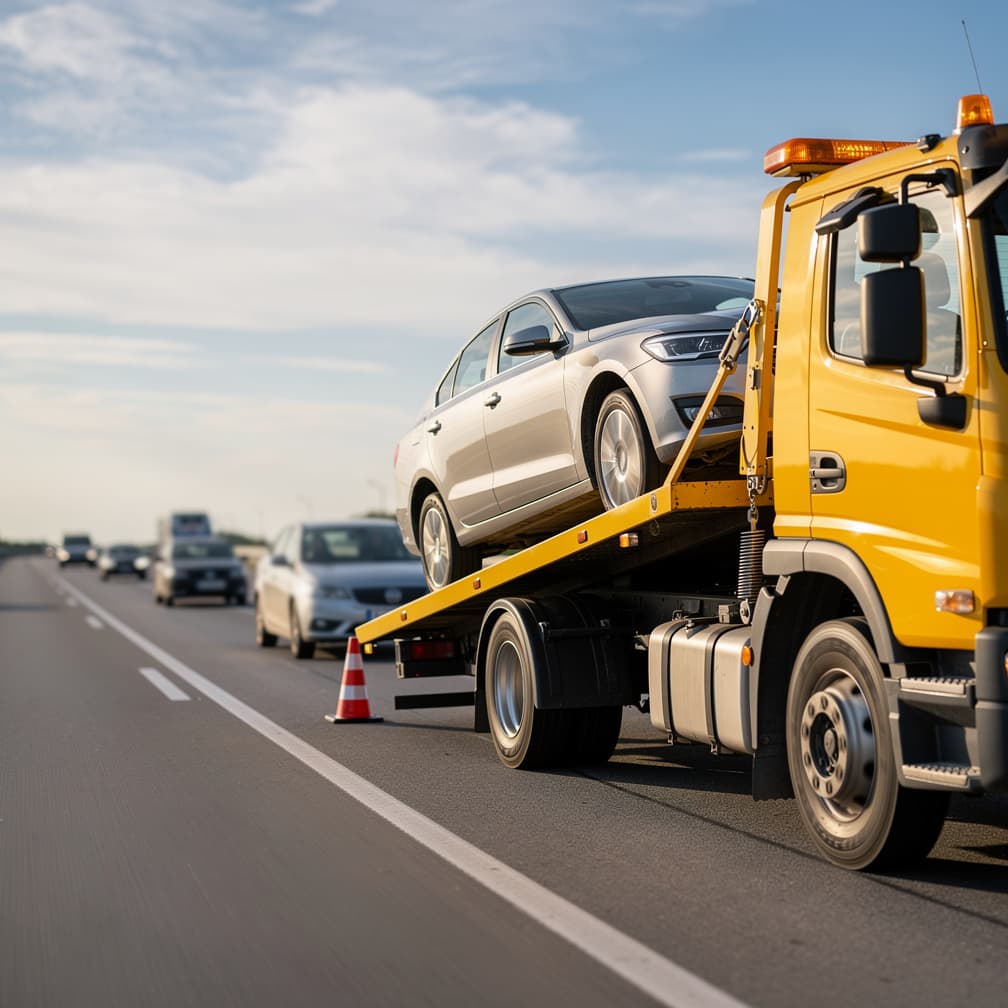
If you run a tow truck in this market, you probably already know the rhythm: short hauls, tight lots, and repeat commercial pickups all day. That stop-and-go pattern changes how you should review on-hook towing insurance here. What drives your exposure is not how many trucks you run but how often customer vehicles are loaded, repositioned, stored briefly, or shuffled between a retail center, a repair shop, a restaurant, and an apartment complex before lunch. Grand Forks County has 1,876 business establishments, which means roughly 1,876 potential property managers and vendors who may ask for your certificate before they hand you a vehicle. More frequent custody changes can raise the chance of a loading or unloading dispute, even on a short route. If your book includes private-property tows, dealer moves, body shop transfers, or roadside calls that end at a nearby lot, ask for the quote to be reviewed around where damage could happen: winching, hookup, transport, drop-off, or while a vehicle is still in your care.
On-Hook Towing Insurance Risk Factors in Grand Forks
Grand Forks's top risk factors include Severe weather, Property crime, Flooding, and Vehicle accidents.
North Dakota has a high climate risk rating. Top hazards: Severe Storm (Very High), Flooding (High), Winter Storm (Very High), Tornado (High). The state's expected annual loss from natural hazards is $480M, which influences on-hook towing insurance premiums and may affect coverage availability in high-risk areas.
What On-Hook Towing Insurance Covers
In North Dakota, the difference is usually not the basic idea of on-hook coverage. It is the situations that make a claim more likely to be disputed or more expensive. If your drivers work winter roadside calls, ditch pull-outs, or long-distance tows between smaller communities, you should review how the policy responds to damage allegations tied to securement, shifting during transport, low-visibility loading, and unloading on snow-packed or uneven surfaces. For example, if your call volume shows a high number of ditch recoveries after storms, your policy should reflect that specific exposure rather than a generic towing label.
A practical review starts with your service mix. A flatbed moving disabled pickups on open highways presents a different exposure from a wheel-lift unit handling tight apartment impounds or post-accident recovery in poor weather. If you do both, ask for each activity to be described clearly in the submission so the quote is built around real operations instead of a simplified label. That can help avoid surprises if a claim happens during a type of tow that was never explained well at binding.
You should also look closely at territory, vehicle types, and handoff points. North Dakota jobs can involve long travel distances, remote pickup locations, and transfers at repair shops, storage lots, or law enforcement-directed destinations. Those operational details matter because a claim often turns on exactly when the vehicle was attached, how it was being moved, and who had care, custody, or control at that moment. The North Dakota Insurance Department reviews and approves policy forms and rate filings, which means the language in your endorsement and the premium you pay have gone through a state regulatory process. That review gives you a formal complaint avenue if a claim dispute arises, so keeping your policy forms, endorsements, and claim reporting process organized lets you act on it quickly before you put a truck back on the road.
Coverage Included
Collision on Hook
Covers damage to towed vehicles from collisions during transport.
Comprehensive on Hook
Covers theft, fire, and weather damage to vehicles being towed.
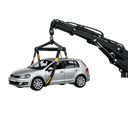
Loading & Unloading
Covers damage during the process of loading and unloading vehicles.
Winching Coverage
Covers damage to vehicles during winching and recovery operations.
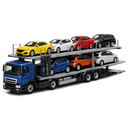
Multiple Vehicle
Covers all vehicles on multi-car carriers and rollback flatbeds.
Industries & Insurance Needs in Grand Forks
Commercial turnover is the local demand driver. In Grand Forks County, the leading sectors by establishment share are retail trade at 14.6%, construction at 11%, and accommodation and food services at 10.6%. That mix matters to a towing buyer because each sector creates a different pattern of vehicle custody. Retail and restaurant locations can generate parking enforcement and customer-vehicle incidents in tighter lots. Construction activity can mean pickups from job sites, contractor vehicles, and equipment-adjacent exposures where the scene is less controlled than a paved service drive. The practical step is to separate your routine consensual tows from private-property, commercial account, and job-site work when you request terms. If those jobs are blended together, the quote may miss where an on-hook claim is most likely to start, which is often during hookup, maneuvering, or unloading rather than during the drive itself.
What Makes Grand Forks Different
In a market where a tow company may serve apartments, retailers, restaurants, repair facilities, and contractors within a compact service area, your exposure is shaped less by distance and more by how often you take possession of a vehicle and hand it back. For your policy, you should focus on operational detail: who authorizes the tow, where the vehicle is picked up, whether keys are transferred, how long the unit stays in your custody, and whether unloading happens at a shop, lot, or customer address. Those details often matter more than mileage on a city-focused account.
Our Recommendation for Grand Forks
Start with your job mix, not your truck schedule. If a meaningful share of your work comes from commercial properties, repair shops, or dealer and body shop transfers, ask the agent to review how often vehicles change hands during a normal week and where each handoff occurs. Reviewing those handoffs helps confirm whether your on-hook setup matches your real custody exposure. Grand Forks households report median income of $63,838, which means a disputed scratch on a daily-driver can turn into a weeks-long argument rather than a quick settlement. That makes documentation your best defense. Use photos at pickup and drop-off, note pre-existing damage, and keep dispatch records tied to the address and authorizing party. If you also handle private-property tows, ask whether those assignments should be described separately from standard roadside or shop-to-shop work before you bind coverage.
Get On-Hook Towing Insurance in Grand Forks
Enter your ZIP code to compare on-hook towing insurance rates from carriers in Grand Forks, ND.
Business insurance starting at $25/mo
FAQ
Frequently Asked Questions
Towing operations here often involve more pickups, drop-offs, and commercial handoffs in a smaller area, so the review should focus on loading, unloading, and temporary custody points, not just road miles or truck count.
With 1,876 business establishments in the county, you may see more commercial accounts and repeat dispatches. Describing private-property, shop transfer, and contractor-related tows separately when you request terms gives the underwriter a clearer picture of how often vehicles change hands.
The county's leading sectors include retail trade at 14.6% and accommodation and food services at 10.6%, so expect a steady rotation of tight parking-lot pickups where mirror damage and lot-scrape claims are more likely than highway incidents. Breaking those calls out from routine roadside work lets the insurer see the real frequency of low-speed, high-contact assignments.
Transfer work should be described by pickup location, who releases the vehicle, how long it stays in your care, and where unloading happens. That level of detail shows the underwriter exactly where custody begins and ends.
Keep timestamped photos, dispatch notes, the authorizing party, and pickup and drop-off addresses. Many local claims questions start around hookup, repositioning, or unloading rather than the drive itself, so records tied to those moments tend to matter most.
Yes. Icy loading areas, ditch pull-outs, and reduced visibility can change claim severity, so disclose that work up front. A quote is more dependable when the carrier understands whether you handle routine roadside tows, difficult recoveries, or both.
Compare quotes on matching operational details, not premium alone. Use the same truck list, service types, territory, and driver information for each submission, then review deductibles, exclusions, and how the policy describes your actual towing work.
It can. Longer distances, remote pickups, and highway speeds may increase the time and conditions under which a customer vehicle stays in your care. That is worth spelling out before you bind coverage.
Sources
- 1.U.S. Census Bureau, County Business Patterns, Grand Forks County(Grand Forks County has 1,876 business establishments, so a tow company here may see steady demand from commercial accounts that want fast response and clean certificates before assigning work.; In Grand Forks County, the leading sectors by establishment share are retail trade at 14.6%, construction at 11%, and accommodation and food services at 10.6%.)
- 2.U.S. Census Bureau, ACS 5-Year Estimates, table B19013(Grand Forks households report median income of $63,838, so customers may be especially sensitive to damage disputes on daily-use vehicles they rely on for work and family transportation.)
Updated July 16, 2026