Updated July 16, 2026

Key Takeaways
- Review your construction contract before requesting a quote, so the named insureds and insurance responsibility match the job documents.
- Prepare the project budget, timeline, address, and scope summary before applying, so the quote reflects the work actually being built.
- Check whether the policy addresses on-site materials, transit, temporary structures, and soft costs before the first delivery arrives.
- Compare the policy term against your realistic completion schedule, then ask about extension options before the original term gets close to expiring.
- Map builders risk against your liability, installation, and equipment policies, so you avoid both coverage gaps and overlapping property insurance.
Builders Risk Insurance in North Dakota
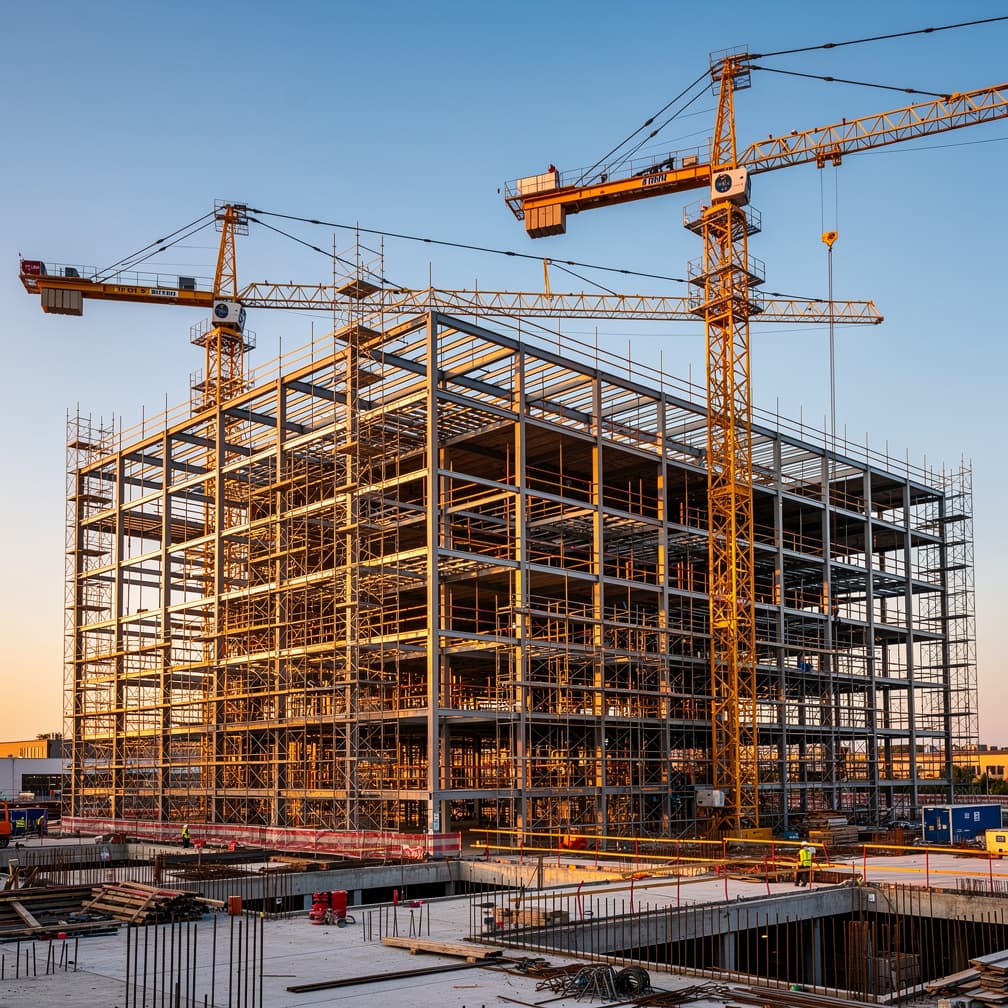
One of the biggest surprises on a construction job is how often the gap sits outside the frame itself. Materials in temporary storage, items in transit, and partially installed work can be where a loss starts, not just the building shell. That matters for builders risk in North Dakota because weather, site access, and delivery timing can change quickly across a project, and a delay can leave valuable property exposed between supplier, laydown yard, and job site. If your quote only tracks the finished structure value, you can miss where the job is actually vulnerable during the build.
The practical questions that shape your policy setup start with the contract. You have to determine whether the owner or contractor is responsible under the contract, whether lenders want evidence of coverage before draws continue, and whether soft costs or delay-related exposures should be reviewed before work begins. The useful approach is to map the job the way it will really run, from delivery schedules to temporary storage to change orders, then ask for a quote built around those moving parts. That gives you a cleaner way to compare terms before materials arrive and crews mobilize.
What Builders Risk Insurance Covers
The useful review is not just the structure under construction. The state-specific difference is how often property moves through several stages before it becomes part of the finished job. Materials may sit in a supplier warehouse, a temporary storage location, or a fenced laydown area before crews install them. If your project depends on long-lead items or weather-sensitive delivery windows, ask whether those locations and transit exposures are scheduled the way the job actually operates.
You should also review what happens after a partial installation. Windows, mechanical equipment, electrical components, and interior materials can become more vulnerable once they are delivered or set in place. This is especially true if another trade is not ready to close in the building immediately. A practical quote review looks at the sequence of work, not just the final plans, which helps you see whether the policy terms line up with the points where theft, water intrusion, or weather damage would create the biggest setback.
North Dakota buyers should also check whether the policy is written to match the contract structure. On some jobs, the owner buys the policy and adds the general contractor and key subs where required. On others, the contractor is responsible for arranging coverage that satisfies the owner and lender. The important step is to compare the insurance requirement in the contract against the quote language for named insureds, additional interests, covered property categories, and any limits that apply to temporary works, stored materials, or debris-related costs. If a project includes a renovation, ask how existing structure, installed materials, and the work area are separated so a claim dispute is less likely after a loss.

Structure Coverage
Covers the building or structure under construction.
Materials on Site
Covers building materials stored at the construction site.

Materials in Transit
Covers materials being transported to the job site.
Temporary Structures
Covers scaffolding, fencing, and temporary buildings.

Soft Costs
Covers additional expenses from construction delays due to covered losses.
Equipment Coverage
Covers permanently installed fixtures and equipment.
Builders Risk Insurance Requirements in North Dakota
- North Dakota's freeze-thaw cycles and short building season compress schedules in ways that affect how policies are written.
- A late-season pour or an early frost can push enclosure work past the original timeline, which makes extension terms and soft cost coverage more relevant here than in milder climates.
- If your project sits near a river basin or in a flood-prone area, ask whether water damage exclusions interact with spring runoff conditions in a way that could leave a gap during site prep or foundation work.
- Rural job sites may also face longer emergency response times, so underwriters sometimes look more closely at overnight security and fire watch procedures when the nearest department is volunteer or distant.
How Much Does Builders Risk Insurance Cost in North Dakota?
Pricing in North Dakota is usually driven by how underwriters view the project's exposure from start to finish, not by a standard monthly premium. The most important cost driver is the completed value you are asking the policy to insure. If that number is understated, the quote may look attractive at first but create problems later if a loss happens and values were not reported accurately. If it is overstated, you may pay for limits the job does not need.
A simple shell project, a custom home, a farm-related structure, and a commercial renovation do not present the same risk profile. Underwriters usually want to know what materials are being used, how the building will be enclosed, and whether the work includes phases that leave the project exposed for a period of time. The schedule matters too, because a short, tightly managed build is different from a project that may pause for weather, financing, inspections, or change orders.
North Dakota projects often benefit from a quote request that explains logistics clearly. If materials will be stored off site, if specialized equipment has a long lead time, or if the site is in an area where access can be interrupted, say that up front and ask how those facts affect terms. You should also review whether soft costs, delay in completion exposure, and testing or installation phases need to be addressed separately instead of assuming they are included. If you are comparing forms and endorsements and something is unclear, the North Dakota Insurance Department can help with policy questions and complaint processes. You can reach them at 701-328-2440 or visit their website at insurance.nd.gov. Keep your review grounded in the actual policy language and documented requirements rather than assumptions. The cleanest way to control cost is still the same: present accurate values, a realistic timeline, and a precise description of where property will be before it is installed.
Request a Quote Comparison
Enter your ZIP code to compare builders risk insurance rates from top carriers.
Business insurance starting at $25/mo
Who Needs Builders Risk Insurance?
In North Dakota, the buyers who most often need to review this coverage are the parties whose money is already committed before the project is finished. That can include a property owner funding a new build, a developer carrying the project through construction, or a general contractor who has accepted insurance responsibility in the contract. The real question is who would absorb the financial hit if materials are damaged, stolen, or delayed before the building is complete.
This coverage is especially worth reviewing on projects where materials are purchased early, stored before installation, or delivered in phases. If you are building in a location where replacement lead times could interrupt the schedule, the financial stake is not limited to the damaged property itself. You may also be dealing with extra labor, rescheduling of trades, lender pressure, and change-order friction after the loss. That is why owners and contractors should identify the responsible party before the first major delivery, not after a claim issue appears.
Lenders and project partners also shape who needs the policy. A bank may require evidence of coverage before releasing funds. An owner may require the contractor to carry the policy and show that the owner's interest is protected. A subcontractor supplying high-value installed components may need to confirm whether its materials are covered before acceptance. On renovation work, the need becomes even more specific because the project can involve both new materials and an occupied or partially occupied property. If your contract shifts risk at different phases, review the insurance requirement line by line and match it to the quote before the first delivery arrives. That is usually the point where North Dakota buyers find out whether the policy structure actually fits the job.
Builders Risk Insurance by City in North Dakota
Builders Risk Insurance rates and coverage options can vary across North Dakota. Select your city below for localized information:
How to Buy Builders Risk Insurance
The practical way to buy this coverage in North Dakota is to build your quote package around the job file, not around a short online form. Start with the signed or near-final contract, then pull together the project address, total completed value, construction timeline, scope summary, and a list of who needs to be named or shown on evidence of coverage. If the job includes lender requirements, temporary storage, phased delivery, or renovation of an existing structure, include that in the first submission instead of waiting for follow-up questions.
Next, map the property flow. Identify what will be delivered directly to the site, what will be stored elsewhere, and what items have long lead times or unusual theft exposure. If there are critical components such as mechanical units, custom windows, panels, or finish materials, note when they arrive and when they will actually be installed. That gives the quoting process a much better chance of producing terms that match the real exposure instead of a generic form that leaves gaps.
Then compare quotes on structure, not just price. Check the covered property wording, the policy term, any extension options if the project runs long, and how the form handles temporary storage, transit, debris, and delay-related exposures if those matter to your job. Confirm that the named insureds and additional interests match the contract exactly. Small wording differences can create major problems when a lender, owner, or contractor expects to be protected but is not listed correctly.
Before binding, ask one final operational question: what event would create the most expensive delay on this specific project, and does the quote address that exposure clearly enough for you to accept it? If the answer is vague, revise the submission and requote before materials are on site. Request a quote through CPK Insurance to compare your options with participating licensed providers.
How to Save on Builders Risk Insurance
The most effective way to save on builders risk in North Dakota is to remove uncertainty from the submission. Underwriters price unknowns conservatively. If your application leaves open questions about completed value, storage locations, project duration, or who controls the site, you are more likely to get restrictive terms or a higher quote. A cleaner submission often produces better options without cutting important coverage.
Start by tightening the project schedule. If the build is likely to pause, say why and explain the controls in place during downtime. A realistic timeline is usually better than an optimistic one that later requires extensions. Extensions can add cost and create administrative pressure at the worst time, especially if a lender or owner is waiting on updated evidence of coverage.
You can also save by organizing site protection details before you request quotes. Explain fencing, lighting, lockup procedures, delivery controls, and who checks the site after hours. If materials will be stored off site, provide the address and describe how they are secured. If the project uses phased installation, show how high-value items are protected between delivery and enclosure. Those details help an underwriter distinguish a managed job from a loosely controlled one.
Another savings move is to align the policy term and limit with the actual contract instead of rounding up casually. Review change orders promptly so values stay current, but avoid inflating the completed value without support. On renovation work, separate the value of the new work from property that should be insured elsewhere if the form requires that distinction. Finally, compare deductibles and optional coverages with the project's cash flow tolerance. A lower premium is not a real savings if the deductible or missing extension would disrupt the job after a loss.
Our Recommendation for North Dakota
The biggest buying mistake is assuming the exposure begins only when materials are attached to the building. On many jobs, the real vulnerability starts earlier, while property is being shipped, staged, or stored waiting for the next trade. Treat this as a logistics policy, not just a construction policy.
Review the contract first, then build a checklist around the job's movement of property. Confirm who buys the policy, who must be named, what evidence a lender needs, and whether the insurance requirement applies to the full completed value or only certain phases. After that, focus on the practical trouble spots: temporary storage, long-lead materials, renovation versus new construction, and what happens if the project runs past the original completion date.
If you are comparing quotes, ask each one the same operational questions. Are stored materials addressed clearly? Is there a path to extend the term if the schedule slips? Are soft costs or delay-related exposures worth adding for this job? Does the form fit the way the project will actually be built? Those answers usually matter more than a small price difference.
Before you bind, line up the quote, the contract, and the draw schedule in one review. That is the easiest point to catch a gap while you still have time to fix it.
FAQ
Frequently Asked Questions
The state's insurance department regulates builders risk, which means policy questions, form concerns, and complaint processes go through that office. You can reach the North Dakota Insurance Department at 701-328-2440 or insurance.nd.gov. Your first move should always be to read the policy language itself, but that office is available if you need to escalate an unresolved issue.
Renovation projects often require a careful builders risk review because the job can involve new materials, partially completed work, and an existing structure at the same address. Ask the quote to separate what is being built from property insured under other policies.
Projects here often require that question up front because materials may be stored before installation. Coverage may depend on the policy terms and how the storage location is described, so list each location in the submission instead of assuming it is included.
Projects usually assign that responsibility in the contract, not by habit. The owner, developer, or general contractor may buy the policy depending on who carries the risk of loss and what the lender or project agreement requires.
Lenders can affect timing and policy setup because they may want evidence of coverage before releasing funds. Review the draw requirements early, then make sure the quote names the correct parties and reflects the full project value required by the agreement.
Buyers should compare more than price: review covered property wording, policy term, extension options, temporary storage treatment, and who is named on the policy. Those specifics determine whether the quote actually fits the job.
Builders risk policies do not automatically work the same way on delays, so check the original term and the process for extending it before binding. That matters if weather, inspections, financing, or change orders could push completion past schedule.
Builders risk insurance may cover, subject to policy terms, the structure under construction, materials on site, materials in transit, temporary structures, and fixtures or equipment being installed. Depending on the policy, you can also review soft costs and delay-related coverage tied to a covered property loss.
Sources
- 1.North Dakota Insurance Department(The North Dakota Insurance Department is the state's insurance regulator.)
Updated July 16, 2026