
Updated July 16, 2026

Builders Risk Insurance in Cincinnati
Health care and social assistance is the largest establishment sector in Hamilton County at 12.3%, with retail trade at 12% and professional, scientific, and technical services at 11.7%. That mix means much of the local construction work happens around occupied properties where a schedule slip can postpone a tenant opening or disrupt patient access. That changes how you review builders risk insurance in Cincinnati. A ground-up shell near a retail corridor, a medical office build-out, and a renovation for a professional tenant can all need closer attention to delay-related expenses, temporary protection, security, and who is named for each draw. Owners, lenders, and commercial landlords often expect cleaner documentation before work starts and before funds are released. What matters is whether your policy fits the way your project actually unfolds, from occupancy deadlines to contract handoffs. Before you request terms, line up the construction schedule, completed value, change-order process, and any phased turnover dates so the quote reflects the actual build sequence.
Builders Risk Insurance Risk Factors in Cincinnati
Cincinnati's top risk factors include Severe weather, Property crime, Flooding, and Vehicle accidents.
Ohio has a moderate climate risk rating. Top hazards: Severe Storm (High), Tornado (High), Flooding (Moderate), Winter Storm (Moderate). The state's expected annual loss from natural hazards is $1.4B, which influences builders risk insurance premiums and may affect coverage availability in high-risk areas.
What Builders Risk Insurance Covers
The useful review is not the broad idea of builders risk, it is the property map for your specific job. Start by separating what is already on site, what will arrive later, and what is being installed in phases. A ground-up build in a growing suburb, a tenant improvement in a downtown commercial building, and a renovation of an older structure each create different pressure points for valuation, temporary protection, and timing.
For an Ohio project, ask the agent to walk line by line through the property categories that matter to your contract and schedule. That often means checking whether the quote is built around the full completed value (the total cost to finish the project, including materials and labor), whether temporary works or site materials need to be scheduled, and whether there are sublimits or conditions for property in transit, stored away from the job site, or waiting to be installed. If your project involves partial occupancy, phased handoff, or owner-furnished materials, those details should be addressed before binding, not after a loss.
Renovation work deserves extra care. If you are improving an existing building, you need clarity on what portion of the structure is part of the insured project, what remains outside the builders risk form, and how damage to existing property is handled, if at all, under the terms offered. The same goes for soft cost exposures tied to delay, where available and appropriate for the job. Soft costs are the indirect expenses that pile up when a project runs past its deadline, things like additional loan interest, extended permit fees, or extra rent for temporary space.
The practical move is to compare quotes against the same scope checklist: structure under construction, materials on site, materials off site, transit exposures, temporary installations, and any contract-driven party that needs to be named. That is how you avoid buying a policy that fits the application but misses the way the Ohio project actually unfolds.
Coverage Included

Structure Coverage
Covers the building or structure under construction.

Materials on Site
Covers building materials stored at the construction site.

Materials in Transit
Covers materials being transported to the job site.
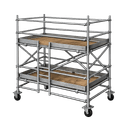
Temporary Structures
Covers scaffolding, fencing, and temporary buildings.

Soft Costs
Covers additional expenses from construction delays due to covered losses.

Equipment Coverage
Covers permanently installed fixtures and equipment.
What Makes Cincinnati Different
Occupied commercial renovation is the main local wrinkle. In a market where health care, retail, and professional service locations make up a large share of county establishments, builders are often not working on isolated greenfield sites. They are improving spaces that sit next to active tenants, future openings, or business operations with little room for schedule drift. A policy review here often needs more than a single completed value and end date. You may need to think through phased completion, partial occupancy, stored materials, theft controls, and whether soft costs deserve attention if a delayed opening would create a real financial problem. Many counterparties are involved in local projects, which means certificate requests, lender conditions, and lease obligations can surface early. If your job involves a tenant improvement, medical office conversion, or storefront build-out, ask for terms that match the actual sequence of work rather than assuming a simple new-build template will fit.
Our Recommendation for Cincinnati
Begin by telling your agent what you are building and when tenants need to take possession. For a retail build-out, medical office renovation, or professional suite improvement, ask your agent to review whether the policy should address temporary storage, materials in transit, theft protection, and soft costs tied to a delayed opening. If the work is phased, confirm how coverage is expected to respond as portions of the project are turned over while other areas remain under construction. For residential work, Cincinnati's median home value is $215,300. A renovation budget that materially changes the property's value can leave you underinsured if the completed value is set too low. For household budgeting, the city's median household income is $51,707. Owners taking on major remodels should compare deductible choices against available cash reserves before binding coverage, because a deductible that strains reserves during a loss is not a better trade. Send the latest scope, budget, and timeline, then ask for a quote review built around the actual handoff dates and contract obligations.
Get Builders Risk Insurance in Cincinnati
Enter your ZIP code to compare builders risk insurance rates from carriers in Cincinnati, OH.
Business insurance starting at $25/mo
FAQ
Frequently Asked Questions
Cincinnati projects often serve business tenants with fixed opening dates. Hamilton County has 21,080 business establishments, which means a large pool of potential tenants and landlords who may impose their own insurance requirements before work begins. That density means lease obligations, lender conditions, and certificate requests can surface early. Review phased completion, stored materials, and any delay-related exposure before work starts.
Health care and social assistance is the largest sector in the county, so local builders frequently work near active practices where a delay can postpone patient appointments. Ask whether the quote matches occupied-adjacent work, temporary protection needs, and soft costs tied to a delayed opening.
Retail trade is 12% and professional, scientific, and technical services are 11.7% of establishments, so a large share of local jobs involve tenant improvements and time-sensitive turnovers. Include the actual occupancy date and handoff sequence with your application.
Cincinnati owners should avoid using the current property value as a shortcut. The city's median home value is $215,300, but your completed value should reflect the post-renovation project amount, including materials and labor. Setting the limit to the actual project total makes sure the policy tracks what you are actually spending to build.
Cincinnati household cash flow matters when you choose a deductible. With median household income at $51,707, a lower upfront premium is not always the better trade if the deductible would strain reserves during a loss. Compare deductible options against available project cash.
The Ohio Department of Insurance oversees this coverage. That matters when you are reviewing producer guidance, policy explanations, or complaint options.
Ohio renovation projects often deserve a separate builders risk review because the policy may treat new work, existing structure, and occupied areas differently. Bring the renovation scope, contract language, and value breakdown to the quote request so those lines are clear.
Ohio construction lenders often expect evidence of coverage before major funds are released. The practical step is to compare your loan documents with the construction contract early, then make sure the policy and proof of coverage match those requirements.
Sources
- 1.U.S. Census Bureau, County Business Patterns, Hamilton County(Health care and social assistance is the largest establishment sector in Hamilton County at 12.3%, with retail trade at 12% and professional, scientific, and technical services at 11.7%.; Hamilton County has 21,080 business establishments.)
- 2.U.S. Census Bureau, ACS 5-Year Estimates, table B25077(Cincinnati's median home value is $215,300.)
- 3.U.S. Census Bureau, ACS 5-Year Estimates, table B19013(Cincinnati's median household income is $51,707.)
Updated July 16, 2026