







































Updated July 16, 2026

Ohio has a moderate climate risk rating. Top hazards: Severe Storm (High), Tornado (High), Flooding (Moderate), Winter Storm (Moderate). The state's expected annual loss from natural hazards is $1.4B, which influences car insurance premiums and may affect coverage availability in high-risk areas.
What Car Insurance Covers
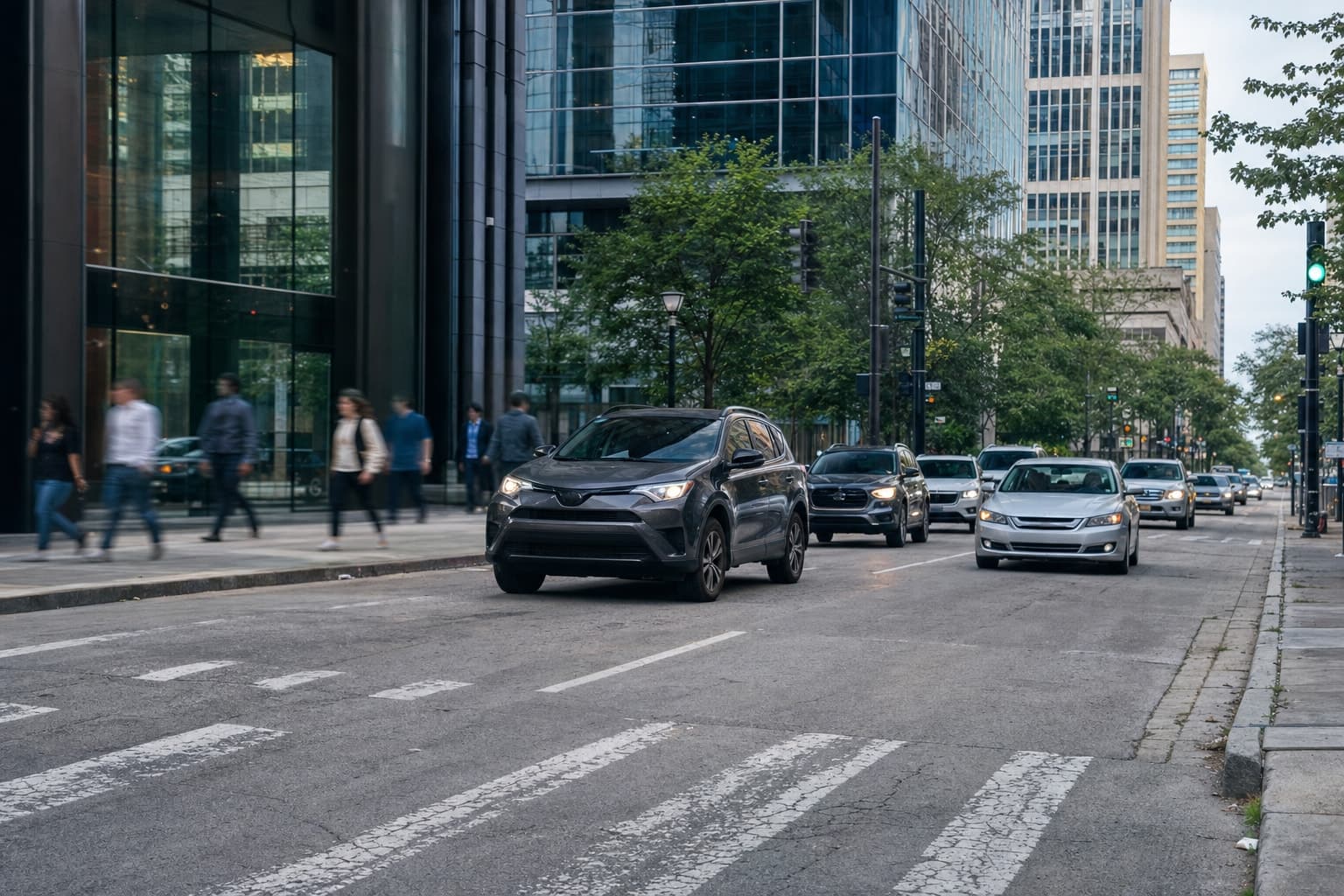
Car insurance in Ohio is built around the same core protections found in most states, but the way drivers choose among them depends on local traffic, weather, and state oversight. Liability coverage is the foundation, and it is the part that responds when you cause injuries or damage to others in an auto accident. Ohio requires personal auto liability minimums of $25,000 per person, $50,000 per accident, and $25,000 for property damage, so any policy you buy must meet at least those thresholds. Collision coverage helps pay for repairs to your own vehicle after an accident, while comprehensive coverage is the part people often review closely in storm-prone counties because Ohio sees severe storms, tornadoes, flooding, and winter weather.
Uninsured motorist coverage is worth a close look because the state's uninsured driver rate is significant, and medical payments coverage can help with covered medical expenses after a crash regardless of fault, depending on the policy. Rental reimbursement may also be available if your car is being repaired after a qualifying claim. Ohio drivers should also pay attention to deductibles and coverage limits, because those choices shape how much protection the policy actually provides. Not every policy includes every option automatically, and exclusions or endorsements can vary by carrier.
If you drive in one of Ohio's larger cities like Columbus, Cleveland, or Cincinnati, the local mix of traffic density, weather exposure, and parking conditions can affect which coverages feel most practical. The Ohio Department of Insurance regulates the market, so comparing policy details is still important before you bind coverage.
Coverage Included

Liability
Can help pay for injuries and property damage you cause to others in an accident, coverage most states require drivers to carry.
Collision
Can help pay to repair or replace your car after a crash with another vehicle or object, regardless of fault.

Comprehensive
Typically covers damage to your car from events other than collisions, such as theft, hail, fire, flooding, or hitting an animal.

Uninsured Motorist
May pay for your injuries and, in some states, car damage when an at-fault driver has no insurance or too little.

Medical Payments
Can help cover medical bills for you and your passengers after an accident, no matter who was at fault.
Rental Reimbursement
May pay for a rental car while your vehicle is in the shop for repairs after a covered claim.
Car Insurance Cost in Cincinnati
Average Cost in Ohio
$70 - $160
per month
In Ohio, car insurance premiums typically run $70 - $160 per month, which tends to run 32% below the national range of $110 - $230 per month.
- Driving record and age
- Vehicle make, model, and year
- Location and commute distance
- Credit-based insurance score
- Coverage limits and deductibles
Contact CPK Insurance for a personalized quote.
Prices shown are general estimates, not guaranteed rates or quotes. Your actual premium will depend on the insurer, coverage selected, personal details, location, claims history, and other underwriting factors. Learn about our pricing methodology.
Car insurance cost in Ohio depends on coverage limits and deductibles, claims history, location, policy endorsements, and the driver's vehicle and mileage profile. The market is competitive, with many active insurers, so a driver with a clean record in a lower-risk part of the state may see a different quote than someone commuting daily in a denser city or parking on-street in a higher-theft area. Ohio's loss environment also affects pricing. The state recorded 298,000 crashes in 2023, which means carriers are pricing for real accident volume across urban and rural roads alike. Those crashes included 1,232 fatalities and an average claim cost of $21,038. For a driver without savings set aside, a bill that size could mean debt or delayed repairs, so choosing a deductible you can actually afford matters.
Weather matters too. Severe storms and tornadoes are major hazards, and those risks can influence comprehensive coverage pricing because non-collision damage is a bigger concern in storm-exposed areas. The uninsured driver rate can also influence how people think about uninsured motorist coverage, especially if they want a more complete protection package. In practical terms, your premium can move up or down based on the deductible you choose, the limits you select, and whether you add options like rental reimbursement. That is why the most useful price comparison is not just the monthly number, but the full coverage structure behind it.
Get Car Insurance in Cincinnati
Enter your ZIP code to compare car insurance rates from carriers in Cincinnati, OH.
Car insurance starting at $59/mo
FAQ
Frequently Asked Questions
Liability coverage helps address injuries or damage you cause to others in an auto accident, while collision coverage helps with repairs to your own vehicle after a crash. Medical payments coverage may help with covered medical expenses after a loss. Uninsured motorist coverage can be important because a significant share of Ohio drivers are uninsured.
Ohio requires drivers to carry minimum liability coverage of $25,000 per person and $50,000 per accident for bodily injury, plus $25,000 for property damage. Personal policy choices can vary beyond those minimums, so it is important to confirm the limits, deductibles, and endorsements on your own quote.
Your price can change based on coverage limits, deductibles, claims history, location, vehicle type, annual mileage, and any policy endorsements you add. Ohio premiums tend to run lower than the national average, but two drivers in the same city can still see very different numbers.
That depends on your vehicle, commute, and budget. Liability is the core protection, collision matters more if you want help with your own car after an accident, and comprehensive is worth comparing if you want protection against severe storms, tornadoes, flooding, or winter weather.
Uninsured motorist coverage can be worth a close look because the state's uninsured driver rate is significant. It is designed to help if you are involved in an accident with a driver who does not have enough insurance, depending on your policy terms.
Higher deductibles usually lower your premium, while higher coverage limits usually increase it. In Ohio, those choices matter because the state has a real claims environment, with 298,000 crashes in 2023 and an average claim cost of $21,038.
Yes, many Ohio drivers consider medical payments coverage and rental reimbursement when building a policy. Those options may help fill gaps after a qualifying claim, and they are worth asking about if you rely on one vehicle for daily travel.
In the U.S., car insurance usually starts with liability coverage for injuries or property damage you cause to others. Uninsured motorist and medical payments coverage are required in some states and optional in others, so check your state's rules. You can then review optional collision, comprehensive, and rental reimbursement coverages.
Updated July 16, 2026





