







































Updated July 16, 2026

Dealer Open Lot Insurance in Cincinnati
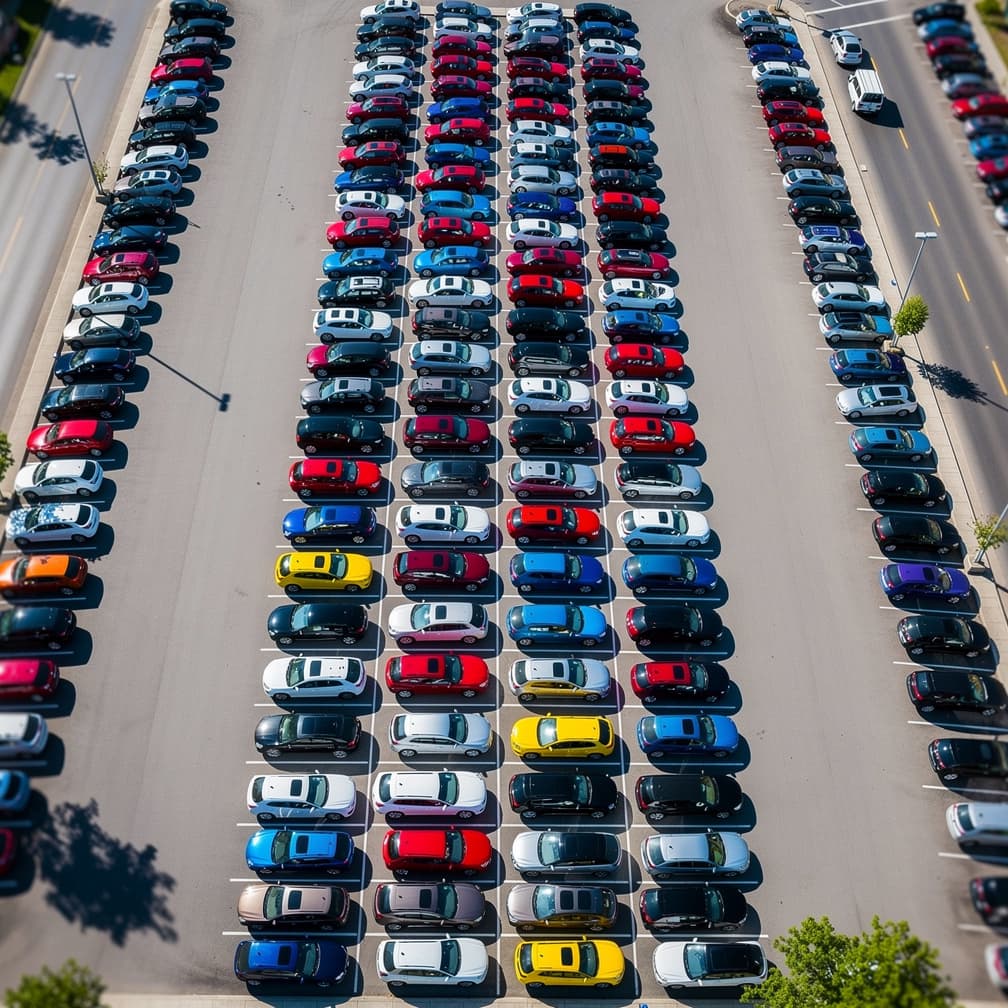
Cincinnati's business landscape leans heavily on health care, retail, and professional services, which means your dealership often operates next to hospitals, shopping corridors, and office districts rather than in an isolated auto row. That proximity means underwriters may ask how customer and vendor traffic interacts with your inventory, since a fender bender in a shared lot costs the same whether it involves a shopper's sedan or your best unit. In Hamilton County, 21,080 business establishments mean your neighbors are not other dealers but clinics, shops, and offices that share driveways and expect clean certificates before they are comfortable with adjacent operations. That density works out to roughly one business for every 19 county residents, so a single shared entrance can see ten times the daily traffic of a rural lot. Before requesting terms, gather your current inventory schedule, every local lot or overflow address, and photos that show fencing, entrances, and how units are parked.
Dealer Open Lot Insurance Risk Factors in Cincinnati
Local lot exposure here is shaped less by a single neighborhood hazard than by how closely your inventory sits to other active commercial uses. A frontage lot near a retail strip, medical office cluster, or mixed commercial corridor can see more daily foot traffic, tighter parking patterns, and more opportunities for incidental contact with stored vehicles. That does not automatically change every quote, but it does change what an underwriter will want to understand about your controls. Show how customers enter and exit, where test drives start, whether service vehicles or delivery traffic cross the lot, and how you separate sale units from employee parking or vendor access. If you use overflow storage away from the main sales frontage, document whether it is **open, fenced, lighted, or shared with another business**. The more clearly you show physical layout and access discipline, the easier it is to ask for terms that match how your inventory is actually stored.
Ohio has a moderate climate risk rating. Top hazards: Severe Storm (High), Tornado (High), Flooding (Moderate), Winter Storm (Moderate). The state's expected annual loss from natural hazards is $1.4B, which influences dealer open lot insurance premiums and may affect coverage availability in high-risk areas.
What Dealer Open Lot Insurance Covers
A dealer open lot policy can help cover physical damage to vehicles you hold for sale, including theft, weather, fire, and collision while stored on your lot. Ohio buyers usually get the most value from this review by focusing on where inventory concentration changes during the year. A single lot is one exposure, but many dealerships also use side lots, overflow spaces, service areas, transport staging, or temporary holding locations. If your schedule shifts vehicles between those places, ask the agent to review how each location is listed and how temporary storage is treated, because a claim gets harder to sort out when the declared storage pattern does not match daily operations.
You should also look closely at operational handling. Some dealers move units between rooftops, send vehicles to detail vendors, hold cars at reconditioning shops, or keep selected inventory offsite while space is tight. Those are not unusual practices, but they do change how an underwriter views control of the vehicles and the documentation you need after a loss. A useful policy review checks whether your records can show where a unit was, who had custody, and why it was there on the date of loss.
Ohio weather and lot layout matter in practical ways. If your inventory sits in low areas, near tree lines, or in open sections with little physical separation, ask for a coverage review that matches those conditions. The same goes for key control, camera placement, gate procedures, and after-hours access. You are documenting how your dealership prevents avoidable losses and how it would prove a claim if several units were damaged in the same event.
Coverage Included

Weather Damage
Covers hail, wind, flood, and storm damage to lot inventory.
Theft Protection
Covers vehicles stolen from your lot.
Fire Damage
Covers fire and explosion damage to inventory vehicles.

Vandalism
Covers intentional damage to vehicles on your lot.
Test Drive Coverage
Covers vehicles during customer and employee test drives.
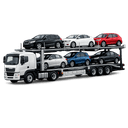
Transit Coverage
Covers vehicles being moved between lot locations.
What Makes Cincinnati Different
Your inventory may sit beside a clinic, behind a neighborhood retail center, or near office users who care about traffic flow, appearance, and documented risk controls. You are not only showing how many vehicles you carry, you are showing how the lot functions inside a denser commercial setting. If your operation relies on more than one storage spot, note which location holds sale inventory, which holds overflow, and how vehicles move between them.
Our Recommendation for Cincinnati
The most useful quote request starts with the lot layout, including customer parking, inventory staging, key security, and any drive lanes shared with neighboring businesses. If your frontage sits near retail or office traffic, ask for a review of whether your current limits and location schedule still fit the way the lot is used today. Keep units at a secondary address separated on your inventory file instead of folding everything into one undifferentiated count. Check whether recent site changes like new fencing, lighting, cameras, or a revised parking pattern are visible in the submission you send, because underwriters may rate from an older picture of the risk if they are not.
Get Dealer Open Lot Insurance in Cincinnati
Enter your ZIP code to compare dealer open lot insurance rates from carriers in Cincinnati, OH.
Business insurance starting at $25/mo
FAQ
Frequently Asked Questions
Cincinnati lots often sit beside active commercial uses, so underwriters may look closely at parking flow, public access, and how inventory is separated from customer or vendor traffic. Showing that your lot has its own entrance, clear fencing, or designated customer aisles can help underwriters distinguish your exposure from the neighboring business's.
Hamilton County has 21,080 business establishments, which translates to roughly one business per 19 residents. That level of density means shared access, neighboring tenants, and landlord expectations can matter. Include each storage address, current lot photos, and notes about entrances, fencing, lighting, and any overflow arrangement.
Cincinnati submissions are stronger when they show how the lot works day to day, including key control, test-drive routes, customer parking, and any secondary storage. Underwriters can price actual exposure more accurately when they see the real layout rather than a generic vehicle count.
Hamilton County is led by health care and social assistance at 12.3%, retail trade at 12%, and professional services at 11.7%. Those top three sectors alone account for over a third of local employment, which means many dealers operate near busy commercial users. Review frontage exposure, shared entrances, and after-hours access before binding.
Cincinnati dealers should disclose any shared lot, overflow storage, or off-site inventory location up front. If vehicles are split between addresses, note which location holds which units and how they move between sites, so the policy can be reviewed around actual storage practices.
Start with a current inventory list, every storage address, and a clear explanation of offsite movement. It also makes sense to review policy language carefully instead of relying on verbal summaries.
Location accuracy matters. If inventory sits on the main lot, overflow space, or temporary storage property, disclose each place during quoting so the policy review matches how vehicles are actually stored and moved.
Underwriters usually want current unit values, lot addresses, security details, loss history, and any routine movement to vendors or offsite storage. The more clearly you present that information, the easier it is to compare deductibles, limits, and assumptions.
Sources
- 1.U.S. Census Bureau, County Business Patterns, Hamilton County(In Hamilton County, health care and social assistance accounts for 12.3% of establishments, retail trade 12%, and professional, scientific, and technical services 11.7%.; Hamilton County has 21,080 business establishments.)
Updated July 16, 2026





