







































Updated July 5, 2026

Garage Keepers Insurance in Cincinnati
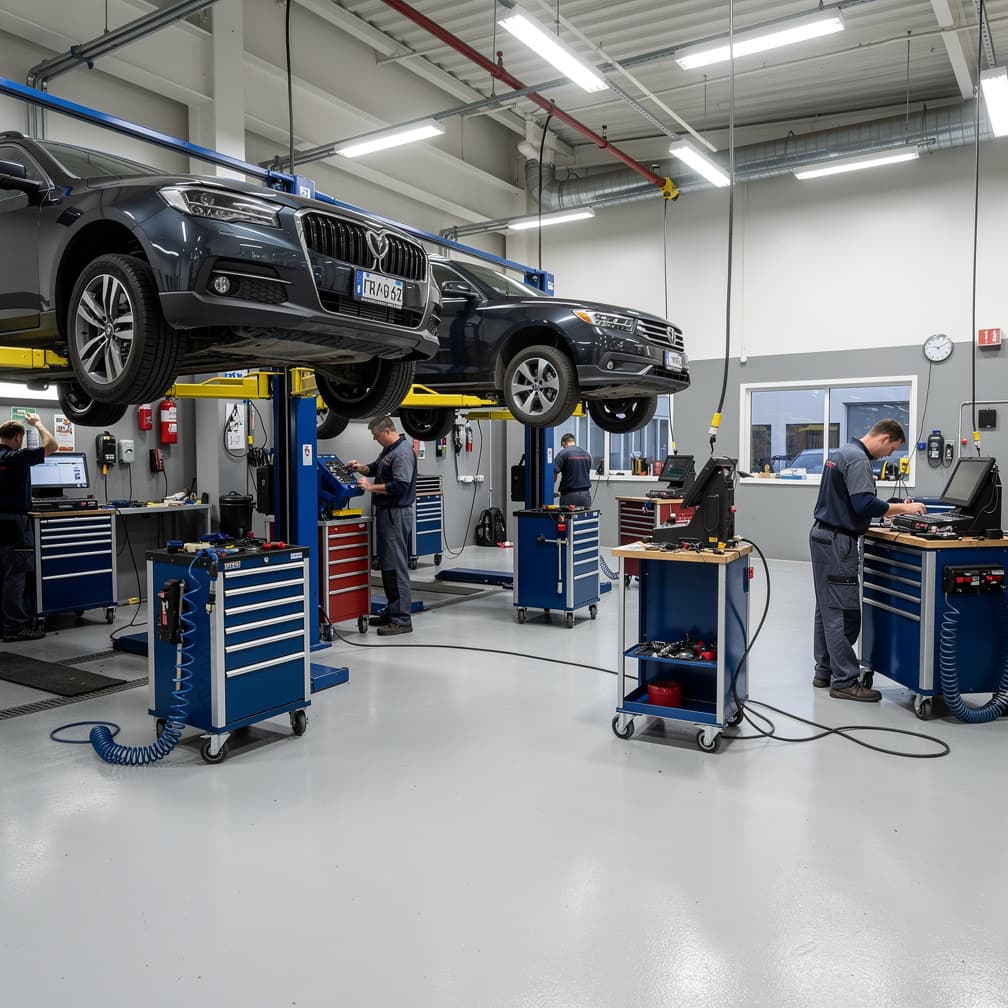
The decision usually lands here when you sign a lease for a small service bay near Downtown, take over a used-car lot with overnight parking, or add valet, detailing, or repair work that leaves customer vehicles in your care after hours. That is the point where garage keepers insurance in Cincinnati stops being a line item and becomes a custody question. You are not just insuring your own operation, you are reviewing how many customer cars stay on site, where keys are stored, who moves vehicles, and whether units sit inside, outside, or in a fenced overflow area.
Local buyers also tend to feel the decision through customer expectations. Cincinnati median household income is $51,707, so even routine repair clients may depend heavily on a single vehicle for work, school, and family logistics. A claim can turn into a service problem fast if intake records, lot controls, and coverage terms do not match how your shop actually handles vehicles. Before you request a quote, map your peak overnight count, your busiest handoff times, and any off-hours storage arrangement so the policy can be reviewed against real conditions.
Garage Keepers Insurance Risk Factors in Cincinnati
Cincinnati's top risk factors include Severe weather, Property crime, Flooding, and Vehicle accidents.
Ohio has a moderate climate risk rating. Top hazards: Severe Storm (High), Tornado (High), Flooding (Moderate), Winter Storm (Moderate). The state's expected annual loss from natural hazards is $1.4B, which influences garage keepers insurance premiums and may affect coverage availability in high-risk areas.
What Garage Keepers Insurance Covers
For an Ohio operation, the useful question is which moments in your workflow create the most realistic chance of a customer vehicle loss. If customers leave keys in a night drop, park in an unfenced side lot, or hand vehicles to a porter during a busy morning rush, you have a different exposure than a shop that checks every vehicle into a locked indoor bay before work starts.
A Columbus or Cincinnati repair shop that keeps vehicles outside while waiting on parts should review whether the policy terms fit open-lot storage, how losses are adjusted when several customer vehicles are affected in one event, and whether your selected limit is high enough for the mix of vehicles you actually hold. A rural towing or impound operation should look just as closely at where recovered vehicles are staged, who has access after hours, and whether damaged units, total losses, and high-value pickups are all being handled under the same assumptions.
If employees reposition vehicles between service lanes, detail bays, paint booths, alignment racks, or overflow parking, ask your agent to walk through those handoff points one by one. The goal is to match coverage to the way vehicles are received, parked, moved, and released, not to assume one generic form fits every garage risk. Dealer service departments, valet operators, and tow yards often promise more responsibility to customers than owners realize. Before renewal, compare your customer paperwork, lot rules, and policy language side by side so the coverage you buy lines up with the responsibility your business actually accepts.
Coverage Included
Collision Coverage
Covers damage to customers' vehicles from collisions while in your care.

Comprehensive Coverage
Covers theft, vandalism, fire, and weather damage to customers' vehicles.

Specified Perils
Covers only specifically named perils at a lower premium.

Legal Liability
Covers damage you or your employees directly cause to a customer's vehicle.

Direct Primary
Pays regardless of fault, the broadest garage keepers coverage available.
Industries & Insurance Needs in Cincinnati
Hamilton County business density is the local pressure point. The county has 21,080 business establishments, so many garages, body shops, detailers, and mixed-use auto businesses operate near other commercial tenants, shared access drives, and customer traffic patterns that can complicate where vehicles are parked and who can reach them after hours. That matters because garage keepers underwriting is sensitive to concentration, access control, and whether your stated storage setup matches the site you actually use.
The county mix also helps explain the vehicle flow you may handle. Health care and social assistance account for 12.3% of establishments, retail trade 12%, and professional, scientific, and technical services 11.7%, so a local shop often serves commuters and service businesses that need quick turnaround and may leave vehicles during the workday or overnight. When you ask for terms, give the carrier a realistic picture of weekday custody volume, key security, and any overflow parking arrangement.
What Makes Cincinnati Different
Density is what changes the calculus here. In a more spread-out market, a shop may have simpler storage patterns and clearer separation between customer parking, work areas, and overnight holding space. Around Cincinnati, many operators work from tighter commercial footprints, older buildings, shared lots, or mixed retail corridors where customer vehicles move through several hands and may be staged in more than one area during the same day.
That makes your operational controls more important than broad labels like repair, detailing, or sales. An underwriter will want to understand where vehicles are kept after intake, whether employees road-test or reposition them, how keys are logged, and what happens when the lot is full. If your real workflow includes curbside pickup, alley access, stacked parking, or overflow storage away from the main bay, bring that up early. The more closely the quote matches your actual custody pattern, the less likely you are to discover a gap after a loss involving a customer vehicle.
Our Recommendation for Cincinnati
Start with a site walk, not just an application. Count how many customer vehicles can realistically stay on the premises at closing, identify every place a vehicle might be parked during repairs, and note who has authority to move it. That gives you a cleaner basis for reviewing limits and any distinctions between indoor, outdoor, and off-site storage.
Next, tighten your paperwork. Use intake forms that record existing damage, confirm where the vehicle will be kept, and document when keys change hands. If you run a mixed operation, such as repair plus detailing or sales plus service, separate those activities clearly when you request terms so the carrier can evaluate custody exposure instead of guessing from your business name.
Finally, ask your agent to review edge cases that are easy to miss: employee test drives, after-hours drop-off, subcontracted work, valet-style movement, and temporary overflow parking. Those details often matter more than the headline description of your shop, and they are worth clarifying before you bind coverage.
Get Garage Keepers Insurance in Cincinnati
Enter your ZIP code to compare garage keepers insurance rates from carriers in Cincinnati, OH.
Business insurance starting at $25/mo
FAQ
Frequently Asked Questions
Cincinnati shops with small lots should describe the real overnight setup, including fenced areas, shared parking, and any overflow space. Garage keepers terms are reviewed around custody and storage conditions, so a quote is more useful when your after-hours vehicle count and layout are accurate.
Cincinnati mixed auto businesses can often be reviewed under one account, but the carrier still needs the split between repair, detailing, pickup, and storage activity. If customer vehicles move through different services, explain that workflow before binding so custody exposure is not understated.
Hamilton County has 21,080 business establishments, so many auto businesses operate in tighter commercial settings with shared access and parking constraints. That makes it important to show where customer vehicles are stored, who can access them, and whether overflow parking is part of normal operations.
Cincinnati median household income is $51,707, so many customers may rely on one vehicle for daily work and family use. That makes intake photos, existing-damage notes, and key logs especially important if a dispute starts over what happened while the vehicle was in your care.
Cincinnati used-car lots with service work should separate owned inventory from customer vehicles in care, custody, or control. Tell the agent which units belong to the business, which belong to customers, and where each group is parked so the quote reflects the right exposure.
Yes, in most cases. Garage liability may respond when your operation causes injury or property damage to others. Garage keepers can help address a different problem: physical damage to a customer's vehicle while it is in your custody. If customers leave vehicles with you and your staff controls where they sit, how they are moved, and when they are released, relying on one form alone can leave a real gap.
Underwriters price what they can see. Give them a clear picture of max vehicles on site, indoor versus outdoor storage, key control, road-test rules, and after-hours drop procedures. A vague application usually produces a vague quote with weaker comparisons and less useful terms.
Weather exposure, theft, and multi-vehicle lot losses change the risk profile significantly. Your quote should match where vehicles actually sit overnight, not where you prefer to store them. If your operation keeps cars outside while waiting on parts, make sure the policy terms reflect that before binding.
Sources
- 1.U.S. Census Bureau, ACS 5-Year Estimates, table B19013(Cincinnati median household income is $51,707, so even routine repair clients may depend heavily on a single vehicle for work, school, and family logistics.)
- 2.U.S. Census Bureau, County Business Patterns, Hamilton County(Hamilton County has 21,080 business establishments, so many garages, body shops, detailers, and mixed-use auto businesses operate near other commercial tenants, shared access drives, and customer traffic patterns that can complicate where vehicles are parked and who can reach them after hours.; Health care and social assistance account for 12.3% of establishments, retail trade 12%, and professional, scientific, and technical services 11.7%, so a local shop often serves commuters and service businesses that need quick turnaround and may leave vehicles during the workday or overnight.)
Updated July 5, 2026





